


Column

The Sephardic chief rabbi’s comments about Russians remind us that the last thing Israel needs is more religious warfare among Jews.

An unfathomable tragedy struck a young couple, and what followed were statements of self-defense and partisan squabbling, instead of proper sorrow for two families.

The march across the Brooklyn Bridge was a necessary response to a surge in anti-Semitic crimes. But rallies and social-media gestures alone won’t fix the problem.

Exports will generate tens of billions of dollars in tax revenues for the government—just one more successful venture led by the Jewish state’s longest-serving prime minister.

For all their insistence that anti-Semitism is one thing and anti-Zionism something else entirely, however, on the streets of European and American cities, the two work hand-in-glove.

What follows next is unclear, but by killing Iranian arch-terrorist Qassem Soleimani, Trump has broken the wheel of appeasement that enabled Tehran’s ongoing aggression.
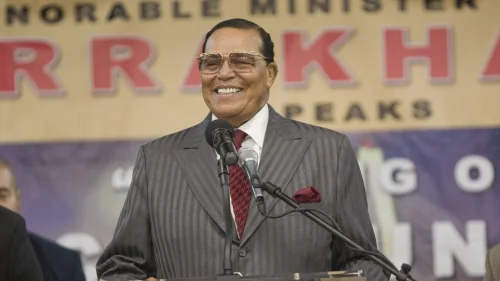
What’s shocking is that so many are shocked. What planet have they all been living on?

Some Jews advocate prayer. Others push for more guns for self-defense, calling out anti-Semites or better community relations. All of these ideas have merit.

The Israeli prime minister’s speeches have focused on his security and diplomatic accomplishments, as well as the unprecedented economic growth the Jewish state has seen during his leadership.

In our “woke” world, discussing Jewish achievements can lead to accusations of racism. Such controversies also tell us a lot about the persistence of anti-Semitism.

Alt-right anti-Semitism—whether in Charlottesville, Va.; Pittsburgh, Pa.; or Poway, Calif.—is widely condemned as pathological; Jew-hatred by minority communities, however, is regarded as neither habitual nor noteworthy.

Experts claim that the septuagenarian Socialist’s chances to win his party’s nomination shouldn’t be discounted. But if he wins, it will be a disaster for Israel and the Jews.