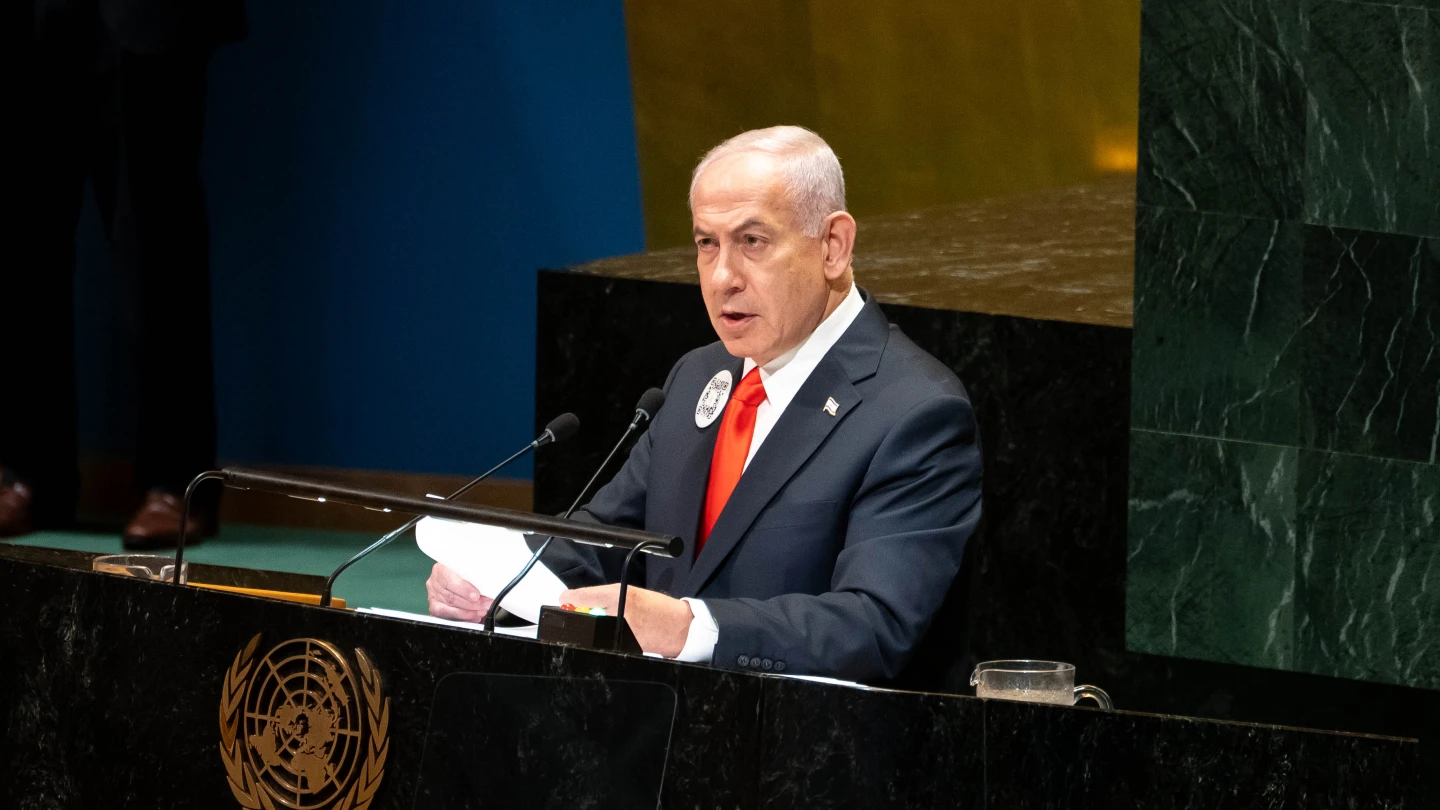
Likud Knesset member Gideon Sa’ar, a seasoned politician, woke up on Friday morning to a reality in which all of his experience failed to serve him in reading the political map within his party correctly. Despite his pollsters telling him otherwise, Sa’ar won only 27.5 percent of the votes in the party primary. Likud members preferred placing their confidence in the man that has led them for more than a decade, giving Israeli Prime Minister Benjamin Netanyahu a landslide victory with 72.5 percent of the vote.
Sa’ar did not fail in his campaign management, and his supporters on the ground executed their role well. Everything went as planned except one thing: His timing was all wrong, which is why the results he achieved reflected the best he could do given the current circumstances.
The root of his defeat lies with the fact that he mistakenly thought that giving Likud members the prospect of staying in power would be tempting enough for them to turn their backs on their longtime leader, who, popular as he may be, has twice failed to form a coalition.
But Likud members now hold a different state of mind. While staying in power is important, there are more important challenges ahead. The right’s sense of persecution is at an all-time high. The feeling is that the right is being targeted not only by the left and the media, but by all the state systems, from the police and state prosecutors to the Supreme Court. Netanyahu is struggling personally, but the feeling is that the national camp as a whole is in the opposition’s crosshairs.
In this sense, the victory for Sa’ar, despite the promise that the Likud would have stayed in power, was seen as the “bad guys” victory. “They” wanted to topple Netanyahu and install Sa’ar in his place, which is why the Likud, almost as one, set out to stop them.
Sa’ar, who failed to understand this was not his time to shine, gladly leaned into all those opposing the Likud’s way had to offer, believing that their support and the new image they created for him would somehow lead him to party leadership. But what happened was just the opposite: This opposition’s embrace was suspicious, and Likud members saw it as disingenuous.
When all the political enemies, from the media to the opposition, share the same interest, Likud members instinctively go the other way.
Sa’ar was very popular in the Likud before the primary, but that is no longer the situation. Now he is perceived as having sold his soul. It will take him a long time to repair the damage the 2019 primaries caused him if he indeed intends to remain part of the Likud and regain the support of its members.
The Likud primaries are not detached from the mood prevalent across the right-wing camp. It was not for nothing that the first ones to endorse Netanyahu in his party’s internal elections were the heads of other parties.
At first, Netanyahu did not want the primaries to take place, believing that it would be possible to replace them with a procedural approval by Likud’s Central Committee, which was sure to ratify his position as chairman. But after the vote, it’s clear that the victory picture is politically priceless. While no poll currently gives the right a 61-seat victory in the March 2020 elections, the key to any advantage it gains down the line lies with last week’s primaries.
This article first appeared in Israel Hayom.