It is common knowledge to anyone that studies the phenomenal trajectory of the State of Israel that the miracle of its creation in 1948 would not have occurred without the pivotal role and support of non-Jews—Christians who, unexpectedly and against all odds, suddenly seem to arrive at the scene to take charge at key moments in the young Jewish state’s 72-year history.
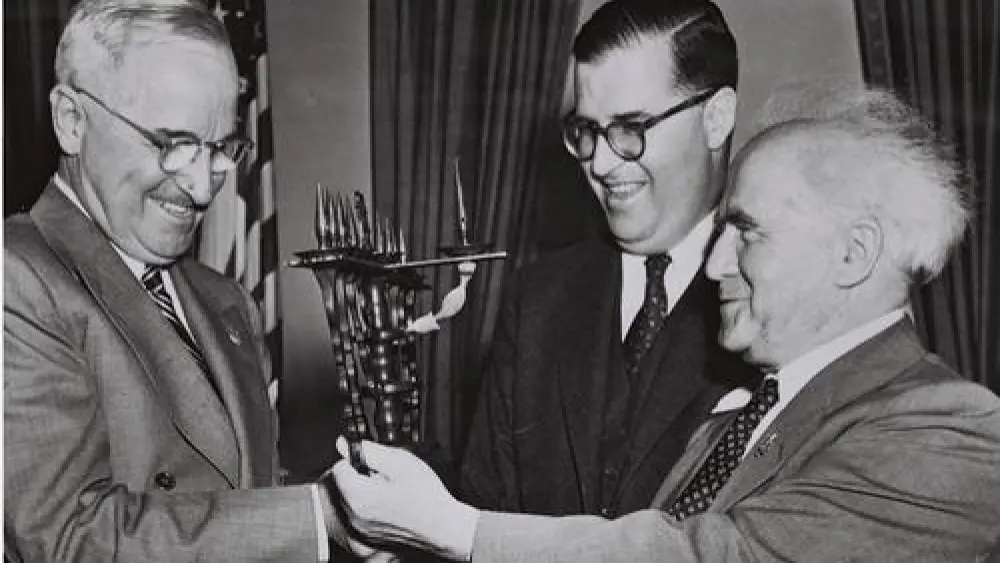
Harry S. Truman, a virtually unknown senator from Missouri, replaces Henry Wallace as President Franklin Delano Roosevelt’s pick as vice president and, following the death of FDR, succeeds him. Truman then presides over not only the defeat of Nazism, but the creation of the United Nations, and in 1948 becomes the first to recognize the creation of the Jewish state. In doing so, he defies the recommendation of his own Secretary of State, Gen. George Marshall, a decorated World War II hero, who warns him that such a recognition would endanger the United States by severing America’s relationship with the oil-producing Arab world.
It was non-Jews again who played the decisive role in helping Shimon Peres and Israel build the Dimona nuclear plant in southern Israel, which to this day continues to be Israel’s strongest deterrent against the combined terrorist threat now posed by Iran and its proxies, Hamas and Hezbollah. Peres, with David Ben-Gurion’s blessing, went to Paris, where he befriended three French officials, two of whom—Guy Mollet and Maurice Bourgès-Maunoury—later became the country’s prime ministers and agreed to lease Israel uranium, a move that forever changed the strategic Arab advantage over the tiny Jewish state.
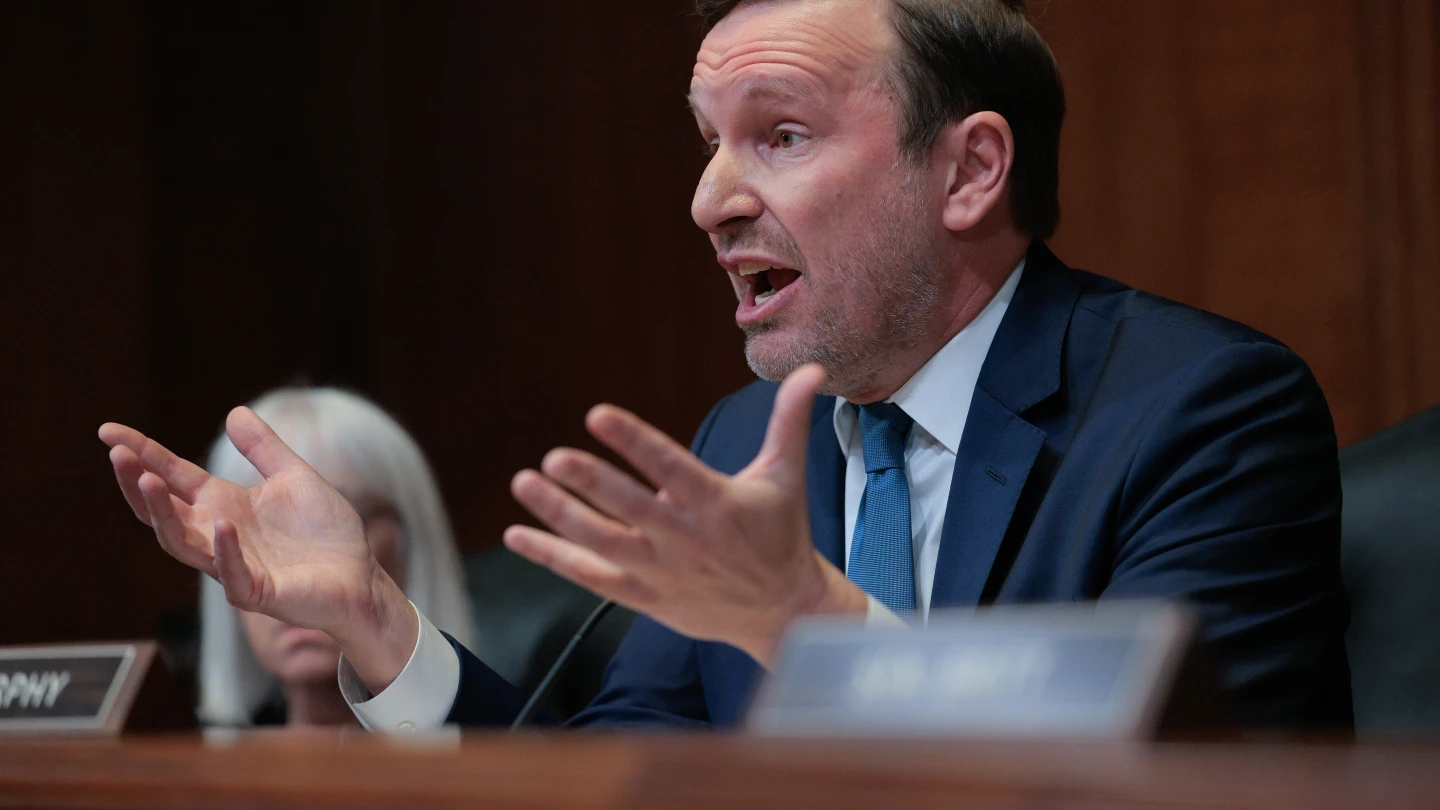
In our time, there was President Donald Trump, fresh from “The Apprentice” fame, who after coming to the White House makes his historic and bold decision to be the first American president to recognize Jerusalem as Israel’s eternal capital—a move that is not only opposed by the entire Arab world as premature and endangering prospects for Middle East peace, but even opposed by some Jewish Democratic members of the U.S. Congress.
This idea of the unexpected appearance of non-Jewish heroes—suddenly from out of nowhere, stepping out of the shadows—is not at all new. On the contrary, it is a well-articulated concept that made its appearance at the very dawn of Jewish history.
As the 20th-century Talmudist and thinker Rabbi Joseph B, Soloveitchik points out, it was not only Abraham the Jew who discovered and yearned for Zion, but Terach his non-Jewish father who first led him there. As the Torah clearly states, “and Terach took Abraham his son ... to go to the land of Canaan” (Gen XI, V31). “Terach’s relationship with his son Abraham had been hostile ... infused with hatred and insanity he had conspired with the local tyrants to destroy his own son both physically and spiritually ... what changed his mind? … stirrings of repentance ... the thought that perhaps his sons way was correct ... a well-known revered and respected manufacturer of idols suddenly abandoned everything to begin his life anew ... father and son formally locked in combat now started together on the march to Canaan ... in order to be a great teacher one must be able to reach his own family ... that occurred when Terach who once hated Abraham now reverses course and personally escorts him to the promised land.”
What Rabbi Soloveitchik is teaching is what the whole world is now witnessing. Non-Jews, both Christians and now even Muslims, like the leaders of the United Arab Emirates, are stepping forth to recognize the legitimacy of today’s Zionists as the descendants and great-grandchildren of Abraham, just as Terach himself once came forth to recognize the legitimacy of his son Abraham, the founder and great lover of Zion.
Rabbi Marvin Hier is founder and dean of the Simon Wiesenthal Center.