


Rafael Defense Systems
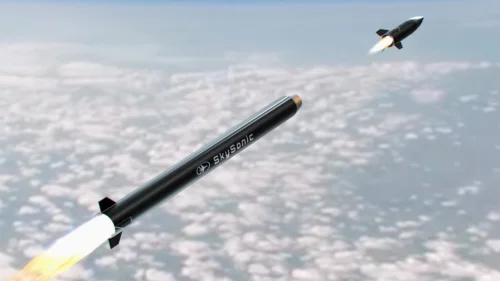
Rafael’s SkySonic system is in the advanced stages of development and will soon undergo live flight tests, the company says.
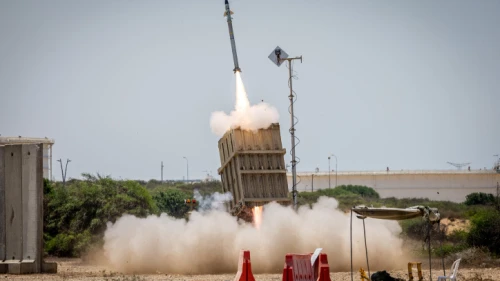
Israeli air defenses shot down 96% of projectiles heading for populated areas so far, saving lives, property and helping avert a costly ground war.

Some 40 countries use the Spike anti-tank projectiles, including 19 E.U. countries and NATO allies.
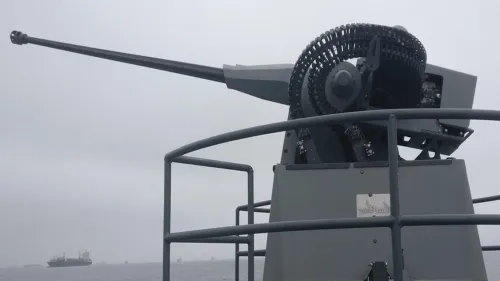
The undisclosed nation signed a multi-million dollar contract to purchase the defense company’s Typhoon naval Remote Control Weapons System.

The cooperation will be geared to developing a variant of Rafael’s Iron Beam for the U.S. market.

Following the dramatic U.S. Marine Corps live-fire drill in July, Brig. Gen. (res.) Shachar Shohat tells JNS about the significance of the test, as well as the separate U.S. Army deployment of the Iron Dome batteries it already purchased.

Rafael’s latest iteration, which was just unveiled in Paris, goes back all the way to 1973, when Israel was surprised by attacks from Egypt and Syria.
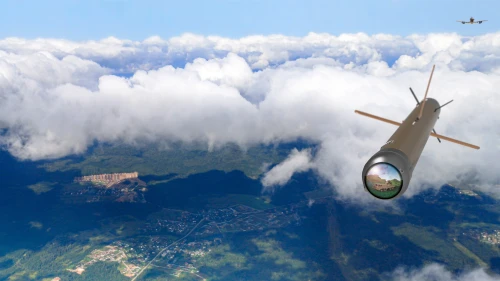
The company touted the Aerospike missile’s lightweight design, lengthy range of 30 kilometers (18.5 miles), high precision and ability to operate in a GPS-denied environment.
“The laser is a game-changer thanks to its easily operated system and significant economic advantages,” says Brig. Gen. Yaniv Rotem.

The $22 million contract will supply man-portable anti-tank weapons.

The Israeli Defense Ministry described a technological breakthrough in electric-sourced laser beams that created a new level of precision.

Lt. Col. Ofer Tchorz of the 74th tank battalion said the exercise simulated combat against Hezbollah in Lebanon, in which the battalion would have to navigate hilly terrain and take on a heavily armed enemy that uses guerilla warfare tactics and fights out of populated areas.