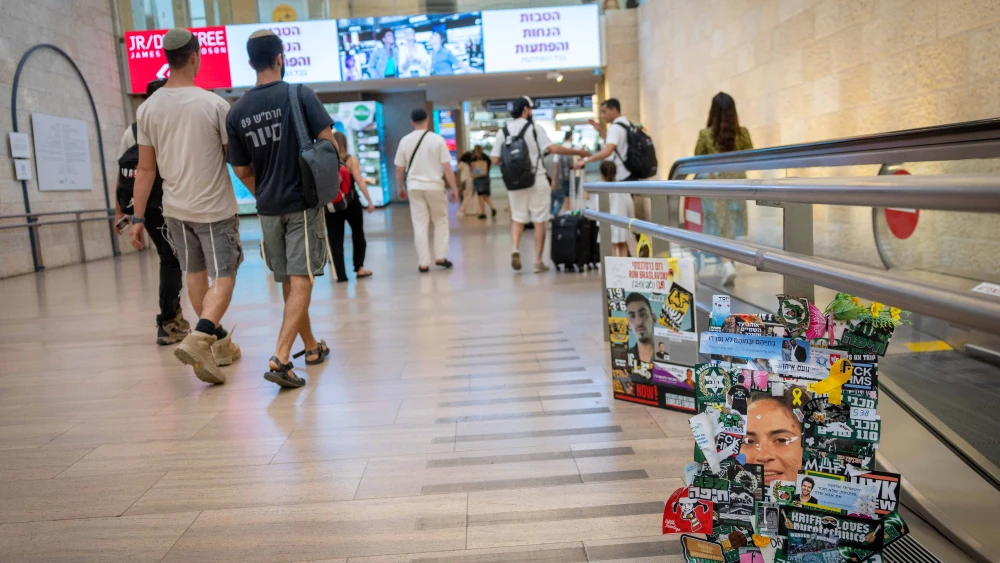
A majority of Israelis report that growing Jew-hatred is influencing their travel decisions abroad, according to the Israeli Voice Index published this month by the Israel Democracy Institute’s Viterbi Center for Public Opinion and Policy Research.
Over half of respondents say reports of rising antisemitism and attacks on Israelis overseas are affecting their plans: 38% have changed their choice of destination, while 18% say they will avoid international travel in the near future. Seventeen percent intend to travel as usual, and 24% have not planned any international trips.
A significant portion of Jewish Israelis say concerns about antisemitism are now shaping the way they approach international travel. Some 42% of Jewish respondents indicated that reports of rising antisemitism and attacks on Israelis abroad have influenced their choice of travel destination, while 17% have decided to forgo overseas travel entirely for the time being. Among Arab Israelis, about 25% said they would not travel abroad soon due to these concerns, with 17.5% adjusting their destination choices as a result.
The impact is even sharper when focusing only on those who had intended to travel internationally, excluding those who were not planning trips in any case. In this group, the survey found that 76% of Jewish Israelis felt recent events were affecting their travel plans (with 54.5% changing destinations and 21.5% canceling trips altogether). For Arab Israelis who had planned to travel, 65% said that their plans were affected (26.5% changing destinations; 38.5% opting not to travel at all).
The survey also highlights a large gap between Jewish and Arab Israelis on other key issues. While 78% of Jewish Israelis believe Israel is making substantial efforts to avoid unnecessary Palestinian suffering in Gaza, only 22.5% of Arab Israelis share that view; most Arab Israelis (66.5%) believe Israel could do more but chooses not to.
Just over half of Jewish Israelis believe that Israel’s military actions in response to the Druze situation in Syria were suitably measured, while over a quarter view them as inadequate, and a smaller portion feels the response was excessive.
Full breakdowns and additional findings are available in the complete July 2025 survey.