Newsletter
Newsletter Support JNS

Second fatality from Jerusalem bus stop bombings laid to rest

Hundreds attend the funeral of Tadasa Tashume Ben Ma’ada, who died of wounds sustained in a blast at the entrance to the Israeli capital.

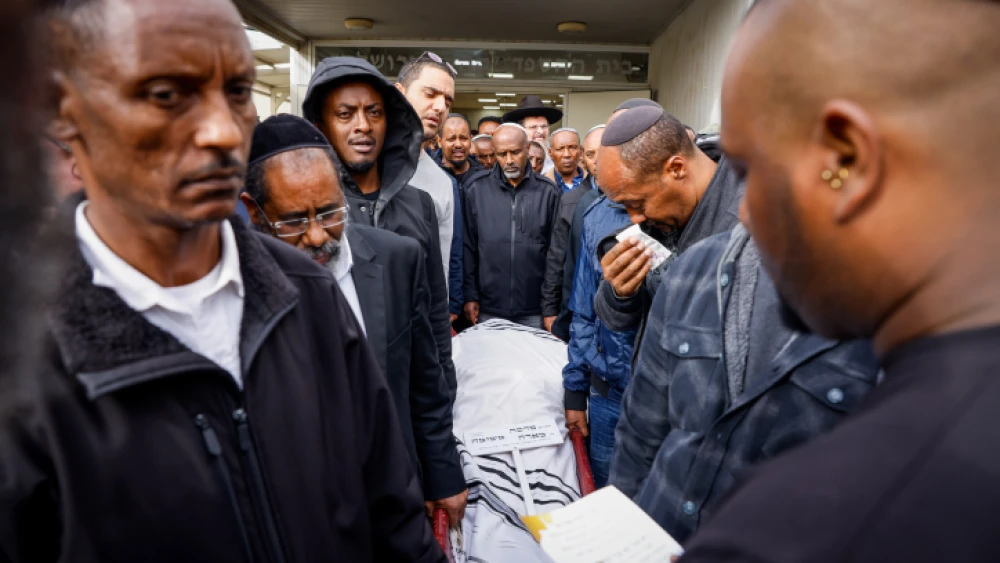
Mourners attend the funeral of Tadasa Tashume Ben Ma'ada, who died of wounds sustained in a bomb attack at the entrance to Jerusalem, at the Har HaMenuchot Cemetery in the Israeli capital, Nov. 27, 2022. Credit: Olivier Fitoussi/Flash90.
Mourners attend the funeral of Tadasa Tashume Ben Ma’ada, who died of wounds sustained in a bomb attack at the entrance to Jerusalem, at the Har HaMenuchot Cemetery in the Israeli capital, Nov. 27, 2022. Credit: Olivier Fitoussi/Flash90.

Tadasa Tashume Ben Ma’ada, who died on Saturday of wounds sustained in the twin terror bombings in Jerusalem, was laid to rest at the city’s Har HaMenuchot Cemetery on Sunday.

Hundreds of people attended the funeral of the 50-year-old father of six, who made aliyah from Ethiopia 21 years ago.
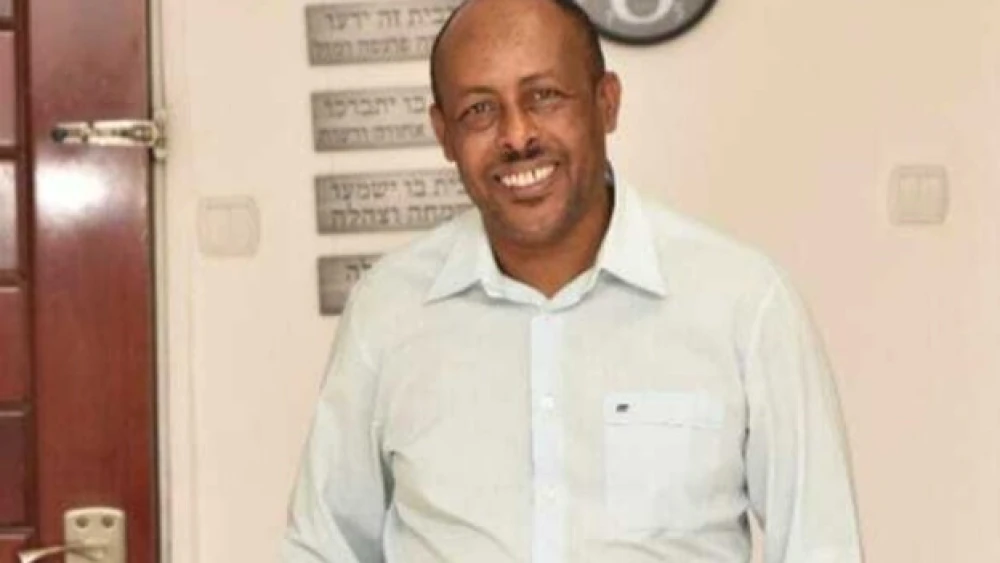
Tadasa Tashume Ben Ma'ada died from injuries sustained in the Nov. 23, 2022 twin terror bombings in Jerusalem. Credit: Courtesy.
Tadasa Tashume Ben Ma’ada died from injuries sustained in the Nov. 23, 2022 twin terror bombings in Jerusalem. Credit: Courtesy.

Jerusalem Mayor Moshe Lion revealed that he had met Ben Ma’ada the night before the attacks at the launch event of a community center tailored to the Ethiopian community.

“The next morning, while at a bus stop, [Ben Ma’ada] was fatally wounded by a bomb planted by a despicable terrorist—a bomb that destroyed an entire world and ended the life of such a special and unique person,” said Lion.

Israeli-Canadian Aryeh Shechopek, 16, was killed and more than 20 others wounded in the two explosions on Wednesday.

Authorities believe that the blasts were caused by remotely detonated nail-bombs.

Police described the explosives as “high quality” and suggested an organized terror cell planned and carried out the attacks.

Security forces were continuing on Sunday to search for the perpetrators.

“At a time when some would isolate Israeli academia, UCLA has chosen collaboration,” Eveline Shekhman of the American Jewish Medical Association told JNS.
“The juxtaposition of us being at the United Nations, and all those people walking out while literally their employees helped to perpetuate Oct. 7 was put in a certain frame,” Rabbi Steven Burg of Aish told JNS.
“I want you to listen to my words carefully: One day, and it may not be far away, the Iranian people will be free. Their murderous regime will be toppled by its lies, by its corruption, by its cruelty,” the Israeli prime minister said.
Jason Brodsky, of United Against Nuclear Iran, told JNS that the address carried messages to “the international community, antisemites abroad, state threats against Israel and most especially the Iranian people.”