On Tuesday night, California passed Proposition 50, the state’s redistricting measure, which California Gov. Gavin Newsom has championed. At press time, with 65% of the votes counted, the Associated Press reported that the measure passed, with 4,534,836 votes (64.7%) in favor and 2,475,320 (35.3%) against.
Under the measure, the state legislature will implement new congressional maps until 2030, after which drawing the maps will go back to the independent redistricting commission’s purview. The California Secretary of State website states that the measure is “in response to Texas’s partisan redistricting.”
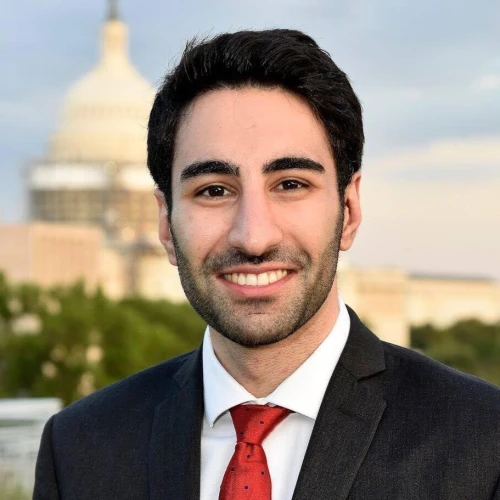
Jared Sclar, co-founder of the California Against Hate PAC and founder of an eponymous political consultancy, told JNS that the measure’s “overwhelming passage” is a “testament to the clarity of the campaign’s message and the resonance of its themes with California voters.”
“The ‘Yes’ campaign succeeded in distilling the race into a simple, powerful idea: California fighting back against Donald Trump,” Sclar said. “Poll after poll of Democratic voters shows they are hungry for politicians and measures that ‘fight back’ against the administration, and they clearly felt they could accomplish that with a ‘Yes’ vote.”
Sclar expects the final vote margin to resemble the split in votes between U.S. President Donald Trump and former Vice President Kamala Harris in the 2024 election, “a true measure of success for the ‘Yes’ side.”
“They capitalized on the president’s deep unpopularity and effectively tied their message to that sentiment, something many campaigns have attempted with mixed results,” Sclar told JNS. “This was an example of sharp branding, message discipline and timing aligning perfectly.”
The consultant said that the measure’s passage “reflects the growing partisan polarization in California’s ballot measure politics, where even policy questions are now read as referenda on national figures.”
Dan Schnur, a political science lecturer at Pepperdine University, the University of Southern California and the University of California, Berkeley, told JNS that “from the beginning, Gavin Newsom framed this election as a referendum on Donald Trump.”
“In a deep-blue state, that wasn’t just a winning message but so powerful that it caused the opposition to essentially give up on the campaign,” he said. “The most important aspect of these results will be the final margin of victory.”
He added that “if the initiative ends up passing by a large margin, it could encourage Democrats in other states to go ahead with their own redistricting.”
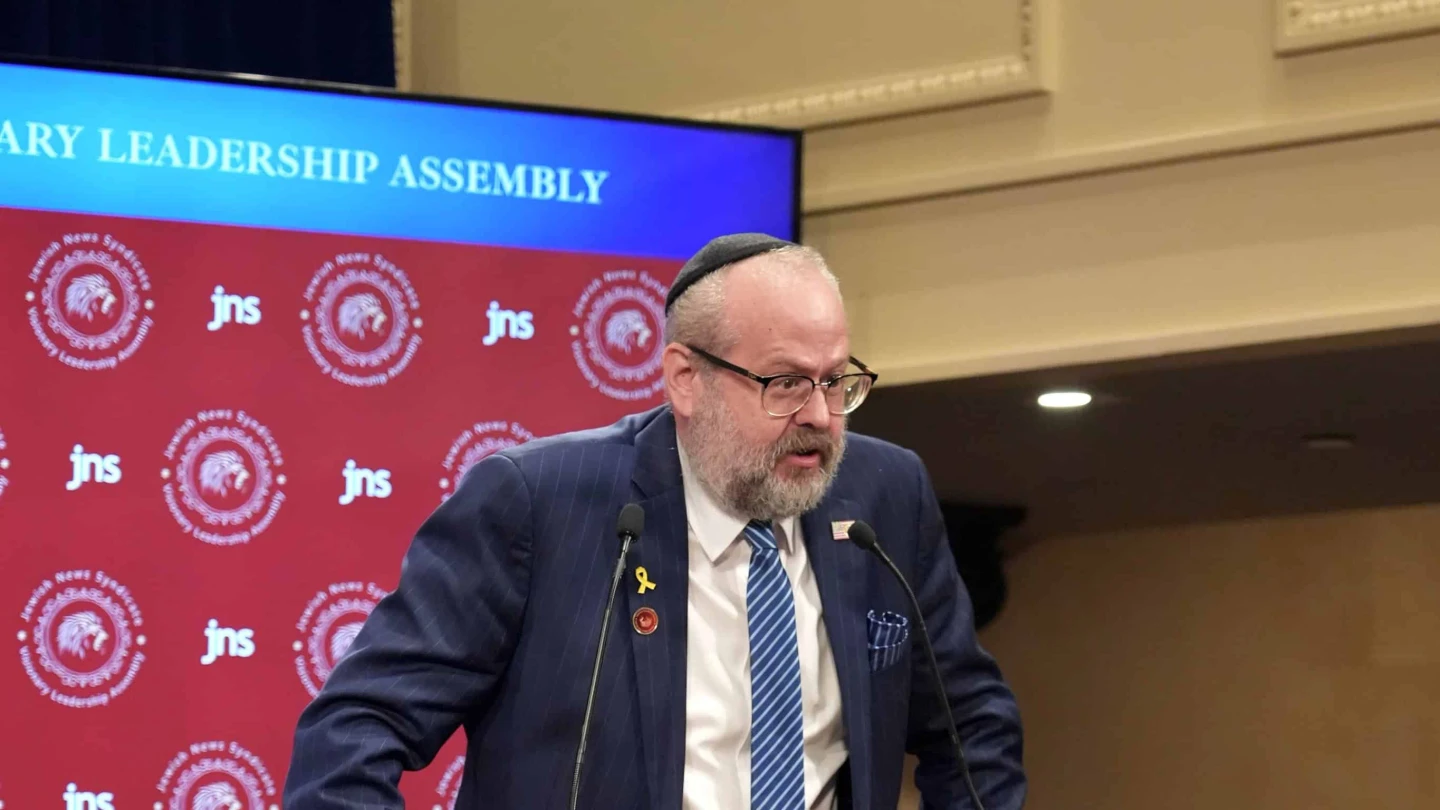
Elizabeth Barcohana, who chairs the California Republican Party’s new subcommittee for Jewish engagement, told JNS that “California Democrats hastily cooked up Prop 50 behind closed doors.”
“This proposition will replace independent maps and silence Republicans, Democrats and Independents,” she said. “They continue to vote to hurt Californians. When will it end?”
Will Swaim, president of the California Policy Center, told JNS that “millions of Californians have apparently decided that silencing the voices, the votes, of their conservative friends and family is a sacrifice they’re willing to make in their battle with the president.”
“How bold to offer us, and our freedoms, for their own purposes,” he said.
Swaim said that “if Prop 50 withstands legal challenges, Democrats predict they’ll increase their advantage to 48 of 52 seats in the House.”
“It’s easy to see this as a pure political power play. The governor and his allies, using the excuse of events in Texas as the predicate for gaining monopoly control over California politics,” he said.
He added that “California Democrats and the government unions that fund the party have become more and more comfortable with outrageous displays of antisemitism.”
“The state’s teachers’ unions are the most obvious concern, defending antisemitic teaching in K-12 classrooms and on university campuses as ‘free speech,’” Swaim said.
“Scale that up to the U.S. House of Representatives, and it’s reasonable to worry that federal law will soon accommodate that same hatred, not merely hatred of Israel but hatred of Jews themselves as individuals,” he said.