Iran reportedly sent a response on Monday night to the European Union’s “final” draft text to save the 2015 nuclear agreement, known also as the Joint Comprehensive Plan of Action, or JCPOA.
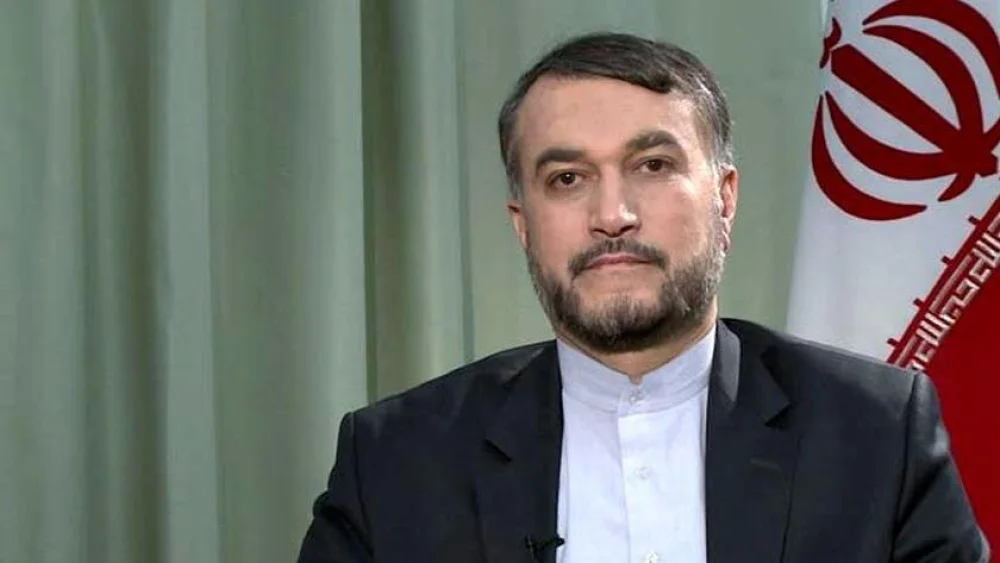
Iranian Foreign Minister Hossein Amirabdollahian had announced that its leaders would respond by midnight, urging the United States to be flexible in resolving the three outstanding issues.
“Our answer will be given to the E.U. tonight at 12 midnight. ... There are three issues that, if resolved, we can reach an agreement in the coming days,” he said, according to Reuters.
“We have told them that our red lines should be respected. ... We have shown enough flexibility. ... We do not want to reach a deal that after 40 days, two months or three months fails to be materialized on the ground,” said Amirabdollahian. “Like Washington, we have our own ‘Plan B’ if the talks fail.”
Diplomats and officials told Reuters that whether Tehran or Washington accepts the E.U.’s supposed final offer, neither side is likely to declare the pact dead because keeping it alive serves both the interests of both parties.