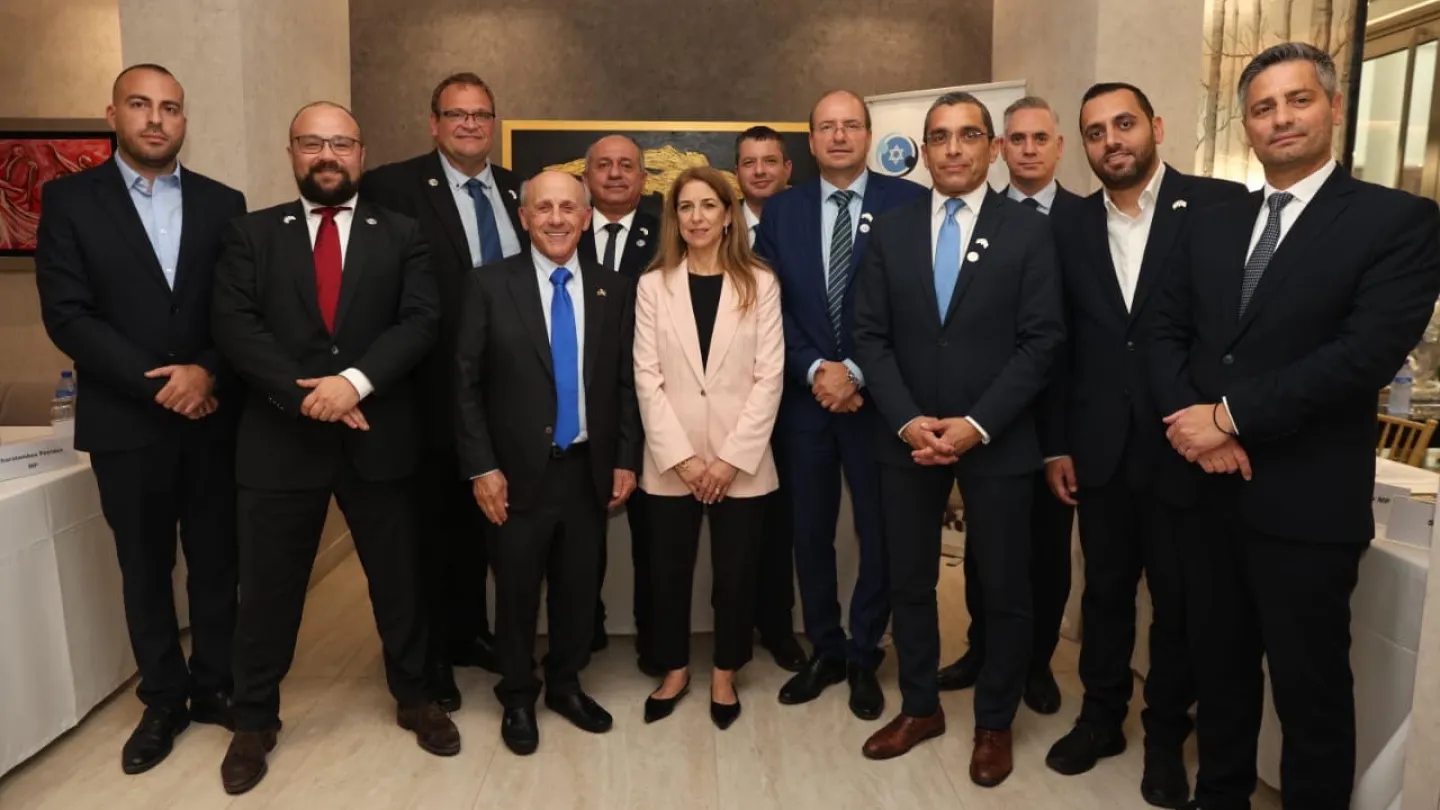
The Institute for the Study of Global Antisemitism and Policy (ISGAP) has released a new report raising awareness of the potential threat from Qatar’s influence over nuclear research at Texas A&M University in College Station, Texas.
“Qatar has been exerting nefarious and outsized influence across the West for decades. This report is the first of many to expose Qatar’s incredibly concerning and dangerous access to American security secrets,” said ISGAP executive director Charles Asher Small.
The report details how the Qatar Foundation gains complete ownership of technology and intellectual property developed at Texas A&M University of Qatar. And it analyzes grants that Qatar provided to Texas A&M totaling more than $750 million into what it described as “highly sensitive research areas.”
It also provides a history of the late Islamist/antisemitic scholar Yusuf al-Qaradawi, known as the spiritual figurehead of the Muslim Brotherhood until his death in September 2022.