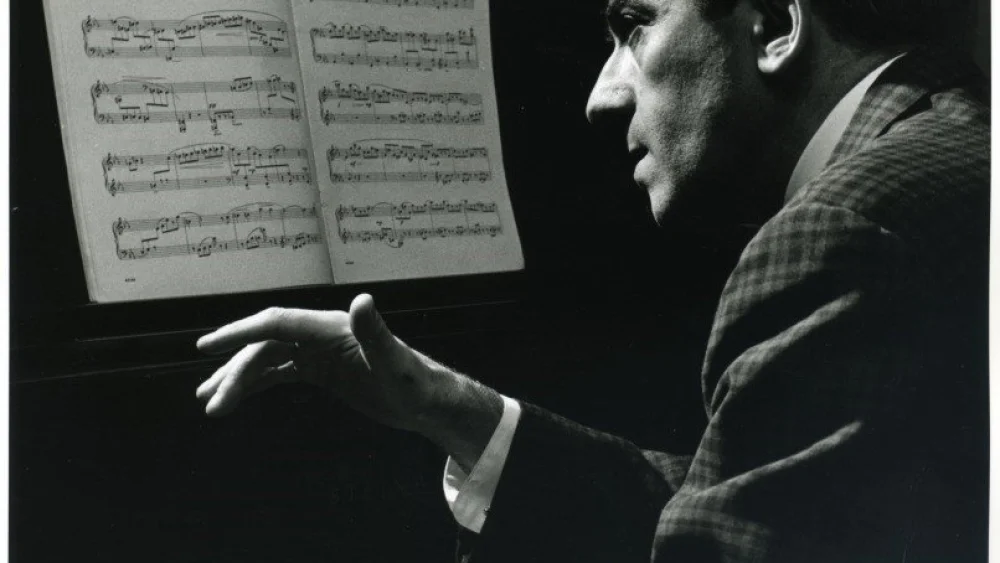
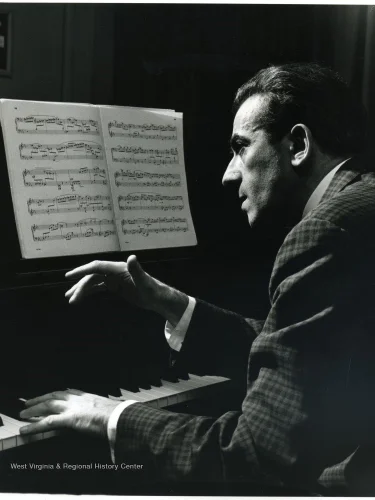
After four years of surviving life in a concentration camp, Herman Godes was liberated, left Europe, moved to New York City, began practicing piano again and found his career accelerating.
He died in 2007, but his wife, Catherine Godes, who teaches music at Tennessee Tech, continues to tell the story of her husband’s survival during the years of World War II and the Holocaust. She sees sharing this history with her students as critical for enabling them to better understand what is happening now after the Oct. 7 Hamas terrorist attacks in Israel.
“So many students today do not really understand what they are seeing in the news,” she said. “I think knowing the history, they can hear about what’s going on with more understanding and maybe more empathy.”
Godes said that education was “the key to understanding” and that “you can still have your opinions but with a little bit more perspective on what’s really happening.”
She described how Herman’s mother was a concert pianist and taught him to play. “He was enormously talented,” she said. After the war, she said he “quickly learned English and started his career again. He started to practice and everything came back. His career started to take off and he enjoyed this very wonderful life of performing.”
Godes said her husband “had this optimism about him. Many of his fellow survivors were still very bitter, but Herman’s attitude was quite different.”
She discussed how in addition to instructing on the music fundamentals, she tells her students about Herman and his survival. “The reaction is always shock. Some [people] are overwhelmed. … I’m always amazed that they don’t really know that much about it. But I think the students embrace the knowledge and embrace my story.”