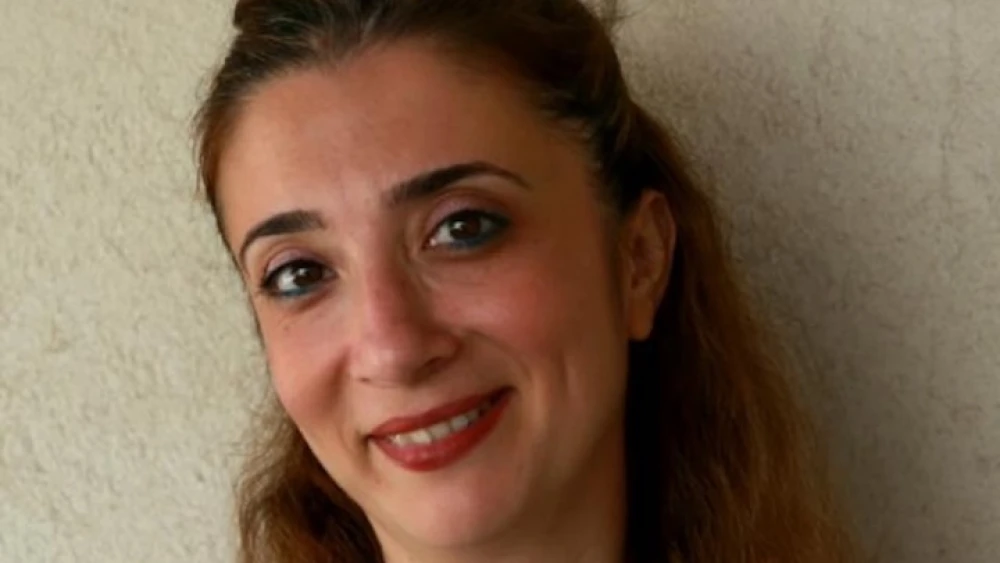
Oshrit Hoffer, Ph.D., head of the school of electrical engineering at Afeka Academic College of Engineering in Tel Aviv, has been appointed as an editorial board member of Scientific Reports, an international journal published by Nature Publishing Group.
Scientific Reports provides a platform for research that advances scientific knowledge and fosters interdisciplinary collaboration. As one of the world’s largest journals, it offers broad visibility for scientific work across disciplines.
This appointment is considered a mark of scientific distinction, reserved for researchers with significant contributions and international visibility. Hoffer joins a global network of leading scientists who play a role in maintaining the quality of scientific publications and shaping the direction of research.
“I am honored to join the editorial board of Scientific Reports and contribute to advancing rigorous, impactful research in the global scientific community,” said Hoffer. “I look forward to contributing to a platform that supports research and fosters collaboration across scientific disciplines.”
Hoffer specializes in the integration of thermal imaging and machine learning for medical diagnostics. Her research focuses on developing noninvasive methods to monitor and diagnose conditions, including cardiovascular disease, liver disorders, cancer and postoperative complications. She has also developed AI-based models for automated detection of diseases such as Crohn’s disease, rectal cancer and COVID-19.
She has authored more than 28 publications in leading scientific journals and is known for interdisciplinary collaborations that translate research into clinical applications. In addition to her research, Hoffer teaches engineering, incorporating cutting-edge developments in machine learning and control systems into her courses.
“Hoffer’s appointment is a testament to her scientific achievements and strengthens Afeka’s position in global innovation,” said professor Yossi Rosenwaks, president of Afeka. “Her work at the intersection of engineering, artificial intelligence and medicine reflects our institution’s commitment to interdisciplinary research that addresses real-world challenges.”