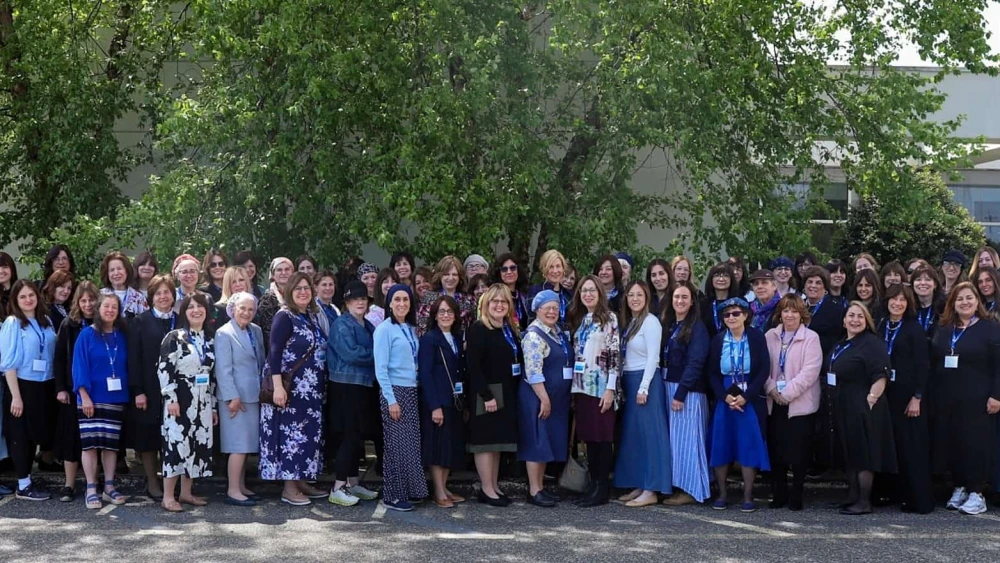
More than 100 female leaders of chevrah kadisha groups nationwide recently gathered at the Delta Hotels Woodbridge, in Iselin, N.J., for the first-ever conference designed specifically for women dedicated to the sacred work of preparing the deceased for burial.
Organized by the Orthodox Union in partnership with NASCK (National Association of Chevra Kadisha), the Women’s Chevra Kadisha Leadership Conference brought together participants from across the Orthodox spectrum for an immersive day of learning, support and meaningful collaboration.
“Chevra kadisha members are a quiet society,” says OU director of Torah and Halacha Initiatives Rabbi Ezra Sarna. “This very special group of people, devoted to working l’Shem Shamayim [for the sake of heaven], leave their homes at all hours, regardless of the time of day. Theirs is a Chesed Shel Emes, a kindness that’s never going to be repaid. On a community level, for many chevros kadisha, a by-product of this discrete and sensitive work is a lack of recognition or real support.”
One of the conference’s key objectives, says Sarna, was to bring together these leaders who often work in isolation.
“Just looking into the eyes of another woman who shares a deep understanding of this work is the greatest privilege. The bonds formed were truly remarkable. Our goal was to uplift and inspire, and to give participants a sense of renewed energy and purpose as they continue their holy work.”
Rabbi Elchanan Zohn is a halachic expert in after-life care, the director of the chevra kadisha, Va’ad Harabonim of Queens, N.Y., and the founder and president of NASCK, which he launched about 25 years ago as a resource for Jewish burial organizations. NASCK offers education and practical guidance on a broad range of end-of-life issues, with a special focus on taharah, ritual preparations for a Jewish burial, and communal work.
“The conference provided an opportunity for chevra kadisha women, in leadership roles, to share experiences, express feelings, gain inspiration, knowledge and general information on an issue they are passionate about,” says Zohn, who delivered the keynote address. “Although they devote significant time and energy to this chesed (kindness), they often lack opportunities to discuss and exchange insights with others.”
Zohn opened with words of encouragement, reminding participants that they carry a profound responsibility, not only for the deceased in their communities, but also, as leaders, for upholding the integrity of their respective organizations. He offered practical guidance on conducting preparations for burial that are effective, efficient and uncompromising in their standards.
Devorah Grayson is president of the Women’s Chevra Kadisha of Greater Washington and was particularly moved by Zohn’s address.
“It was very inspirational to witness firsthand someone who has devoted his entire life to this ultimate chesed,” she says. “Rabbi Zohn continuously searches for ways to improve our practices and to understand the importance and meaning behind our traditions. His constant encouragement and availability to us all is invaluable.”
Grayson, whose husband, Dean, is president of the Men’s Chevra Kadisha, was among the panelists for the “From recruitment to retirement and everything in between” discussion, which tackled some of the most sensitive and often unspoken aspects of chevra kadisha operations like how to recruit new members, support aging volunteers and navigate situations when someone is no longer capable of serving or lacks the qualifications to do so from the outset.
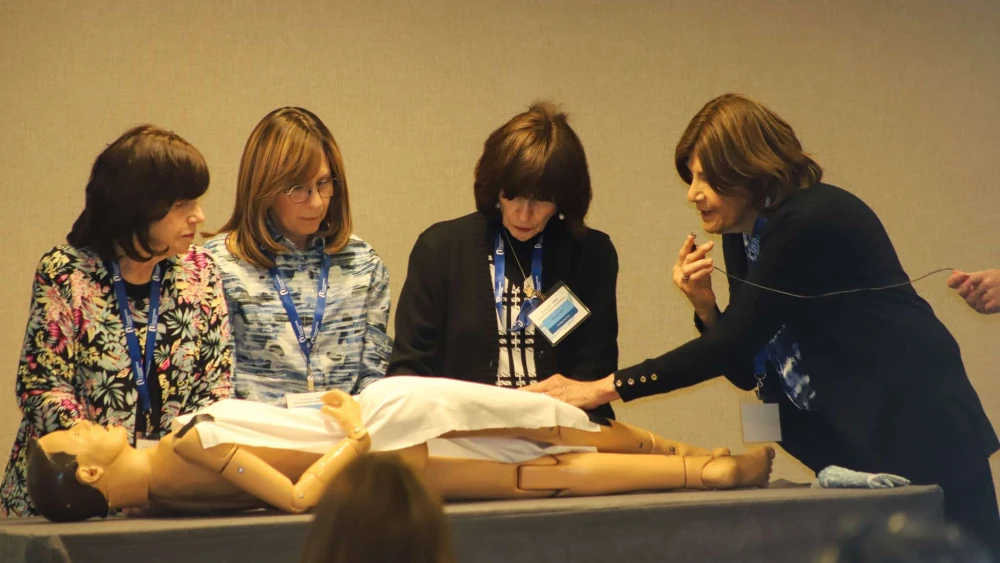
Panel moderator Danya Miller serves as the director of operations and an active volunteer at the Jewish Sacred Society Chevra Kadisha of Chicago. In a separate session, Miller introduced a creative technique for removing gel nail polish, typically a job for a professional salon, highlighting the nuanced care sometimes required in ritual burial preparation.
For Miller, the session “From hidden to heard: Why chevros kadisha should engage in outreach,” left a lasting impression. Centered on proactive education on the importance of Jewish burials, the session was led by Yael Davidowitz, NASCK director of outreach and Project Last Kindness, an initiative developed in response to the alarming 50% cremation rate among American Jews. Davidowitz spoke of the project’s mission to raise awareness and understanding of the beauty, value, and significance of traditional Jewish burial and after-life care.
“I felt a deep connection to Yael’s session,” says Miller. “Her presentation on the cremation crisis and why it is our collective duty to carry was brilliant, and I felt her passion and drive. I left with renewed vigor to carry on our fight against cremation in every way we can.”
During lunch, OU Women’s Initiative founding director Rebbetzin Dr. Adina Shmidman invited women from a variety of community chevra kadisha groups to share meaningful reflections, personal stories and insights drawn from their work.
“Being in a room filled with so many women who share the same passion and dedication for the mitzvah of honoring the deceased was incredibly uplifting,” says Miller. “The energy was unmatched. Everyone was eager to connect and learn. I loved hearing how different chevros operate, how they recruit members, manage participation policies, and even how they source and allocate their funds. It was inspiring to see the broad cross-section of Jews involved and to exchange practical ideas about everything from supplies to structure.”
In a session titled “Strength, Purpose and the Road Ahead,” OU executive vice president Rabbi Moshe Hauer explored the seeming paradox of referring to the taharah process as one of “purity,” despite the fact that contact with the deceased involves the highest level of ritual impurity. He spoke movingly about the profound holiness inherent in caring for a fellow Jew at their most vulnerable moment, underscoring the sanctity and spiritual power of this ultimate act of chesed.
“The Women’s Chevra Kadisha Conference convened a community of practice, bringing together women dedicated to the holy task of the chevra kadisha to gain support from each other and to elevate their work by sharing with and learning from each other,” says Hauer. “Eisek b’tzarchei tzibbur, communal work, can be both taxing and lonely and it was a privilege to see and feel the energy and camaraderie in the room.”
CONTACT: Rabbi Ezra Sarna, OU director of halachah initiatives, 443-285-9128, sarnae@ou.org.