If you were to believe the headline at The Independent (of a story cross-posted from The Washington Post), you would believe that CNN fired political commentator Marc Lamont Hill merely for criticizing Israel and calling for a “free Palestine.”
This isn’t even remotely accurate.
However, even if you were to click the link and read the full article, you’d come away grossly misled.
Here are the relevant paragraphs from the Nov. 1 article on Hill’s speech at the United Nations given on the annual “International Day of Solidarity with the Palestinian People”:
CNN fired Marc Lamont Hill on Thursday after the longtime contributor made comments about Israel during a United Nations speech.
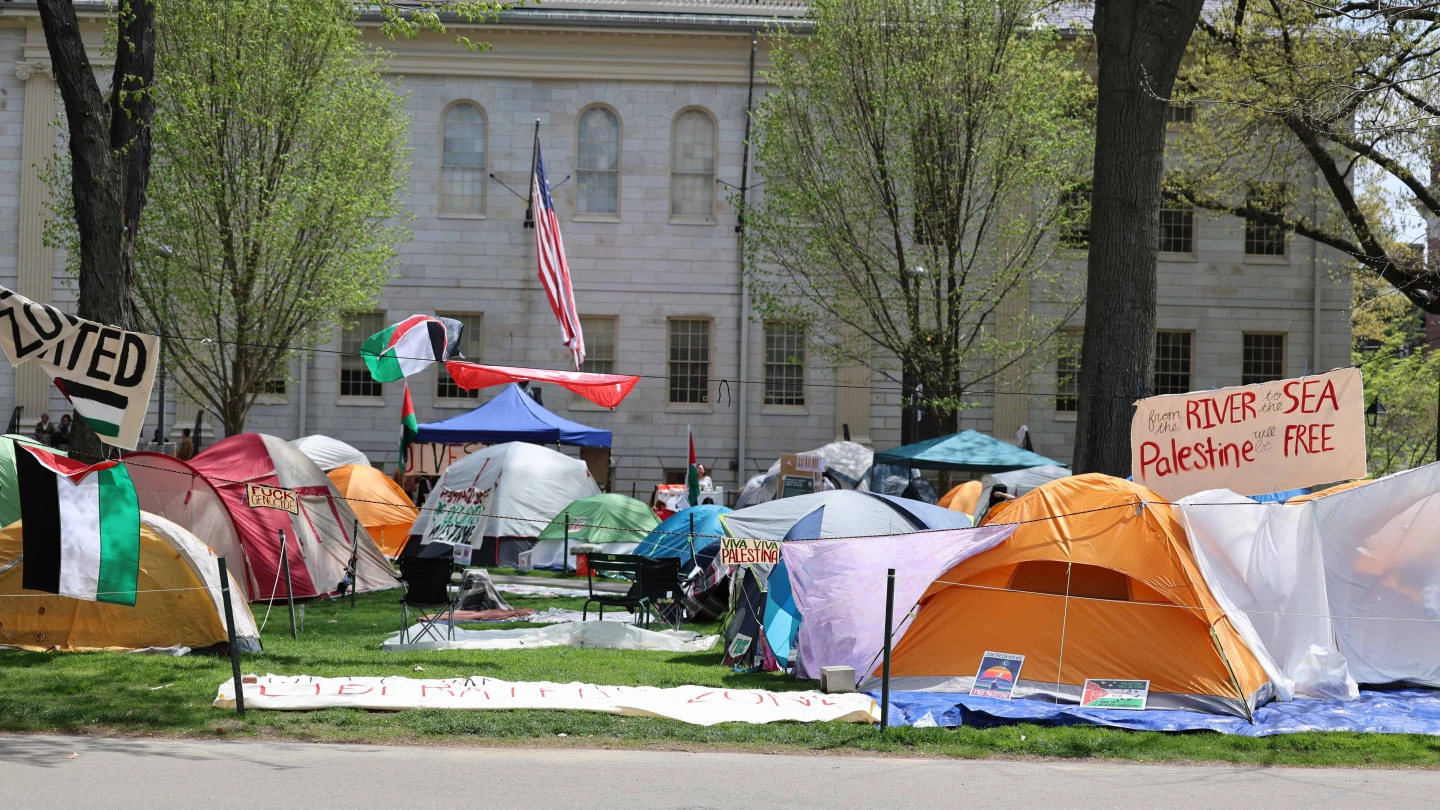
Hill, a media studies professor at Temple University, had drawn scrutiny for calling for a “free Palestine from the river to the sea.” The words drew criticism from some conservatives and staunch Israel advocates, who said such remarks echoed language used by Hamas and other groups that seek to eliminate Israel.
The Indy then uncritically quoted Hill’s denial that he ever advocated violence:
I do not support anti-Semitism, killing Jewish people, or any of the other things attributed to my speech. I have spent my life fighting these things.”
The Guardian’s coverage was similar. Its Nov. 30 article (by Associated Press and Guardian staff), narrowly focused on Hill’s “river to the sea” comments, and quoted Hill’s denial that it was neither anti-Semitic nor or a call for Israel’s destruction.
However, as Anti-Defamation League and many others observed, there is simply no question that, within the Palestinian community, and among Western pro-Palestinian activists, calling for a Palestine “from the river to the sea” represents an unambiguous rejection of the continued existence of a Jewish state. In fact, Hill himself, in a subsequent tweet, implicitly acknowledged his rejection of a Jewish state.
But that’s not nearly the worst element of the Guardian and Independent stories. Both omitted crucial elements of Hill’s speech, such as these:
Contrary to western mythology, black resistance to American apartheid did not come purely from Gandhi and nonviolence.
Rather, slave revolts and self-defense and tactics otherwise divergent from Dr. King or Gandhi were equally important to preserving safety and attaining freedom. If we are in true solidarity, we must allow them the same range of opportunity and political possibility.
…
We must recognize the right of an occupied people to defend themselves.
We must prioritize peace, but we must not romanticize or fetishize it. We must promote non violence at every opportunity, but cannot endorse narrow politics that shames Palestinians for resisting, for refusing to do nothing in the face of state violence and ethnic cleansing …
To commit to political action, grass-roots action, local action, and international action that will give us what justice requires and that is a free Palestine from the river to the sea.
These words can only be taken as the legitimization of violence against Israelis.
Full article at UK Media Watch.