Newsletter
Newsletter Support JNS
Israel Kasnett

Israel Kasnett

Israel Kasnett, editor at the Jerusalem Center for Security and Foreign Affairs, offers expert analysis on Israeli politics, society and regional developments at JNS.org. With a deep understanding of the region, he delivers insightful commentary that challenges media bias and provides a clear perspective on Israel.


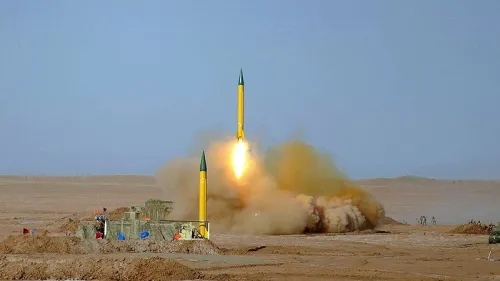
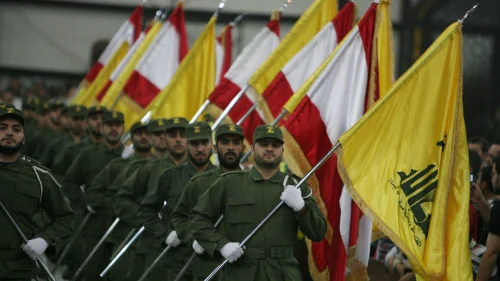
Jerusalem Center for Public Affairs President Dore Gold says that besides the Iranian nuclear threat, the more probable danger comes from its proxies in the region.
“What’s coming out of official university channels—through faculty emails, official departmental statements and departmentally sponsored events like this one—is wholly inappropriate and incredibly dangerous for our students,” said Tammi Rossman-Benjamin, director of the AMCHA Initiative.
“Out of pragmatic considerations, Israel has learned to accept China’s contradictory policy over time,” said Tuvia Gering, an analyst at the Jerusalem Institute for Strategy and Security. “In other, more private forums, China and Israel can enjoy each other’s company.”
The nuclear issue, coupled with the incoming hardliner Ebrahim Raisi, tops the region’s concerns. The most pressing questing for Israel is what steps to take next.
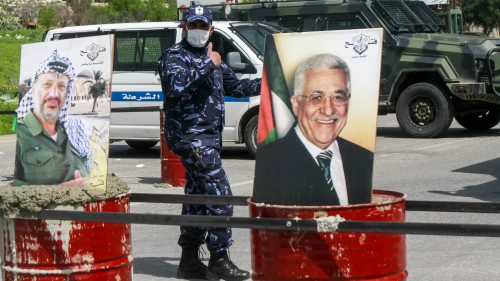
On the heels of U.S. Secretary of State Antony Blinken’s visit to the region, Mideast experts say America is misreading the situation in the West Bank and Gaza, and using smoke and mirrors as it works to appease Iran and placate Israel.
“Even if the rationales underpinning Qatar’s foreign policies are pragmatic and geostrategic in nature, generations of teaching such extreme sentiments have had some impact, somewhere, on the decision-making chain,” says David Roberts of King’s College London.
During their joint press conference in Jerusalem, Israeli Prime Minister Benjamin Netanyahu said he had discussed the Iranian threat with U.S. Secretary of State Antony Blinken and expressed hope that the United States “will not go back to the old JCPOA.”
“The appeasement on the nuclear question leads to appeasement across the region,” said Michael Doran of the Hudson Institute. The Biden administration “cannot acknowledge the role Iran is playing in Gaza because if it does, it will be asked to leave the negotiating table in Vienna.”