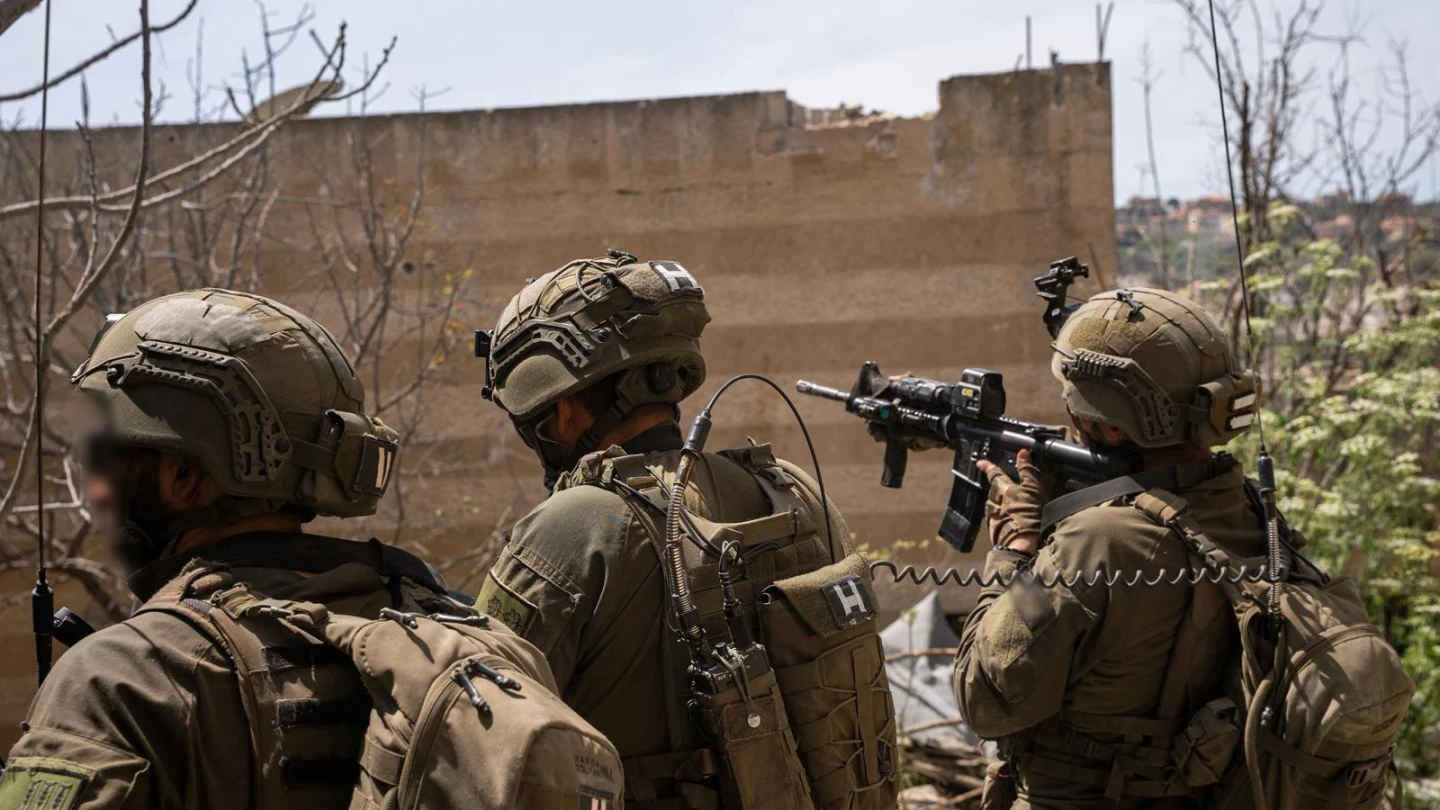
Since the outbreak of the Swords of Iron war, thousands of Israelis have returned from reserve duty or completed their military service, facing the challenge of transitioning back to civilian life. While government assistance exists, a growing number of initiatives are helping them build careers, secure housing and strengthen the resilience needed for life after service.
Oz VeRuach was founded to help wounded IDF and security personnel return to the workforce and secure meaningful employment. The program provides personalized guidance, professional training and direct connections with employers, based on the belief that employment is an essential part of rehabilitation and rebuilding one’s life.
Established by the Portland Trust, whose Israel operations are led by its managing director, Rami Schwartz, Oz VeRuach aims in its first year to help approximately 100 wounded soldiers find quality jobs across a range of industries.
Maj. Gen. (res.) Yoav (“Poli”) Mordechai, who heads Oz VeRuach, told JNS the program was built around a simple idea: Rehabilitation does not end when a wounded soldier leaves the hospital.
A veteran of 36 years in the military who served as IDF spokesperson and head of the Coordinator of Government Activities in the Territories (COGAT), Mordechai returned to reserve duty following the Oct. 7 massacre, serving for two years at the headquarters coordinating efforts related to the hostages.
Since the beginning of the war, more than 26,000 wounded IDF and security personnel have entered Israel’s rehabilitation system, according to figures cited by Oz VeRuach.
Mordechai said that number is expected to rise, particularly as more cases of post-traumatic stress emerge. While physical and psychological treatment are essential, he said, returning to the workforce is a critical part of rebuilding a person’s life.
“The state sent its finest sons and daughters to defend it, and its responsibility toward them does not end when their physical and psychological treatment is complete,” Mordechai said. “True rehabilitation means being able to return to life, re-enter the workforce, earn a living and build a future.”
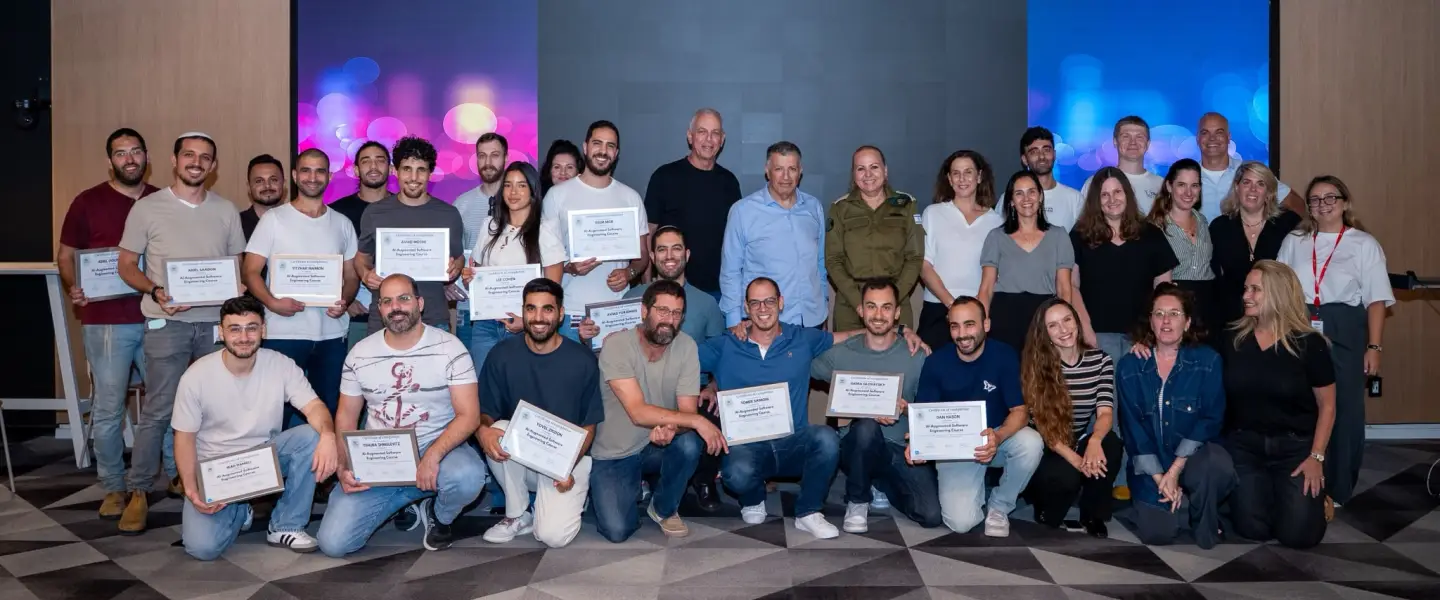
The program’s first three-month, expert-led training course in artificial intelligence and software development placed all 19 participants in positions at companies including Amdocs, NICE, Moveo HLS, SolarEdge and NVIDIA.
Mordechai said Oz VeRuach is expanding beyond high-tech, with future courses planned in IT support, technical professions and medical imaging. The goal, he said, is to help wounded soldiers find careers suited to their physical and psychological circumstances while providing sustainable employment.
“This is not an act of charity toward wounded IDF personnel, but a moral and national obligation shared by all of us, both as a society and as a government,” Mordechai said. “This is the Zionism of 2026. This is modern-day Zionism.”
He said Oz VeRuach demonstrates what is possible, but the need among wounded personnel remains enormous.
“The state must therefore be fully involved in this mission and make the employment rehabilitation of wounded IDF personnel a shared national priority,” he added.
Housing for combat soldiers
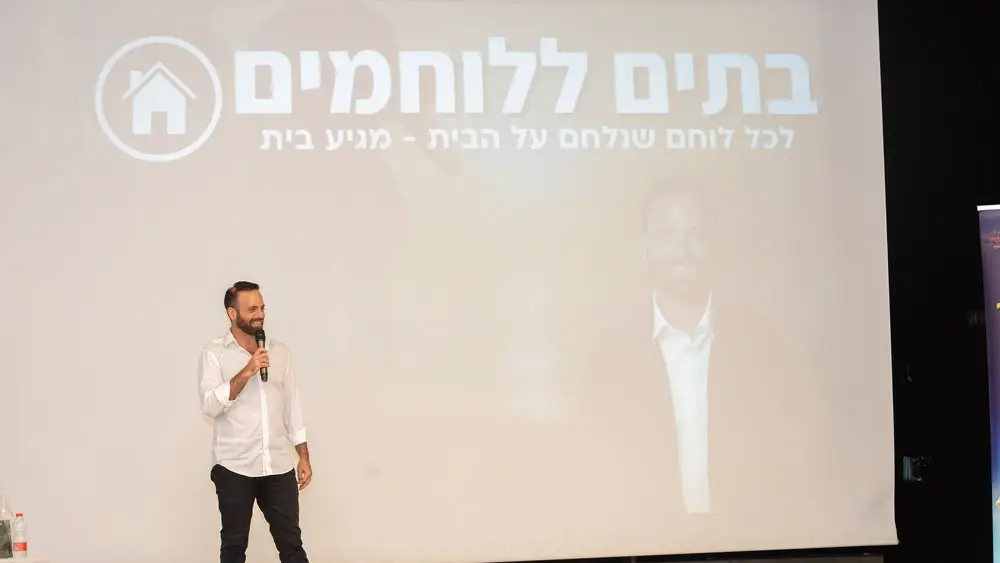
The Homes for Warriors initiative was established around the belief that those who risk their lives defending Israel should have a realistic pathway to homeownership.
The movement was founded by Itamar Hayun, a reservist combat soldier in the Givati Brigade’s Sapper (Engineering and Demolitions) Unit, after his own wartime experiences highlighted the housing challenges facing many reservists.
After serving hundreds of days of reserve duty since Oct. 7, Hayun returned home and confronted the reality that despite fighting for Israel, he lacked the stability of owning a home.
“After my first 70 days, I came back to my rented apartment and realized: I fought for my country, but I don’t have my own property,” Hayun told JNS.
After speaking with fellow reservists, he discovered many were facing the same challenge.
“I asked friends in my unit how many of them own a home,” he said. “Many told me they don’t have enough money for a down payment. They told me again and again: ‘We are in the same boat.’”
A donor-supported effort has already helped 12 families secure down payments on homes in a kibbutz near the Gaza border. The movement is now developing additional pathways to homeownership, including plans for a new community in the Negev and opportunities in northern Israel.
Rather than offering one-time charitable assistance, Homes for Warriors is working to develop a sustainable financing model that addresses one of the biggest obstacles facing young reservists: the upfront cost of purchasing a home. The movement is exploring ways to provide access to affordable loans with favorable interest rates, enabling reservists to invest in homes while assuming long-term financial responsibility.
Hayun said the initiative is about more than housing.
“When you rent every year, you live with uncertainty,” he said. “The landlord can throw you out. Buying a home gives you a base and stability for life. It gives you a sense of permanence because this is something you own.”
“Our goal is to bring Israelis together to help solve this problem,” he added. “It will not be cheap or fast, but we are putting all our energy into making a real change for them.”
Healing through service and art
Kadima Concierge is a grassroots initiative dedicated to supporting IDF soldiers, displaced families and communities affected by the war. Founded and led by Seagal Hagege, the organization identifies urgent needs on the ground and works directly with donors, suppliers and volunteers to provide essential equipment, including helmets, protective gear, uniforms and other supplies.
Its Helmets 4 Chayalim project, launched shortly after Oct. 7 in collaboration with the Ari Fuld Project, combines direct support for soldiers with a broader effort to transform collective trauma into healing and hope.
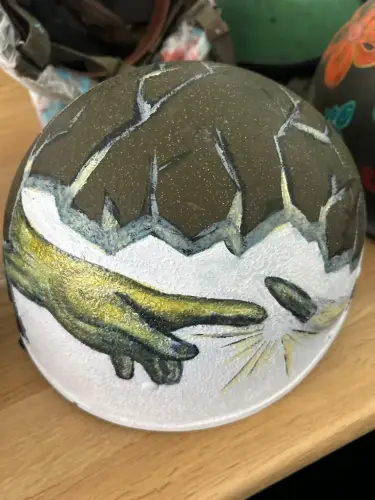
Through the project, decommissioned IDF helmets are transformed into works of art by soldiers, bereaved families, children, artists and civilians seeking to honor those who served. For participating soldiers, the process provides a way to express and process their wartime experiences.
One soldier painted a helmet after a friend’s helmet was grazed by a sniper’s bullet, turning a traumatic battlefield moment into a personal story of survival. Another female soldier painted her old helmet and later exchanged it for a new one, allowing her artwork to become part of the project while receiving updated protective equipment.
Other participants included a mother who lost her son in Gaza and children from Kibbutz Sa’ad, who created a tribute to Sgt. Rose Lubin, an American-born Border Police officer killed in a terror attack near Jerusalem’s Old City in November 2023.
For Hagege, the helmets represent something larger than individual stories. They reflect a collective effort to transform pain into healing.
“The helmet project is the voice of the Jewish people and the people who live here, showing the movement of our trauma into PTSD healing and hope for the future,” she told JNS.
The painted helmets have been displayed in exhibitions, including one currently at the Haganah Museum in Tel Aviv. A new exhibition featuring more than 35 helmets is scheduled to open at the Jerusalem Theatre in September. Proceeds from artwork sales and fundraising campaigns are used to purchase new helmets and other essential equipment for active-duty soldiers.
For Hagege, the mission goes beyond delivering equipment. “The relationship doesn’t stop with handing over gear,” she said. “My door is open. It becomes a place for coffee, and my kids have gained a family from this. I value that tremendously.”
She said the project is now shifting from focusing solely on the pain of Oct. 7 toward creating opportunities for healing and connection, including bringing exhibitions to military bases, communities near the Gaza border and schools.
“What I saw since Oct. 7 is that a lot of people invested in helmets and weapons,” Hagege said. “Right now, we want to invest in the warriors so they can heal themselves.”