


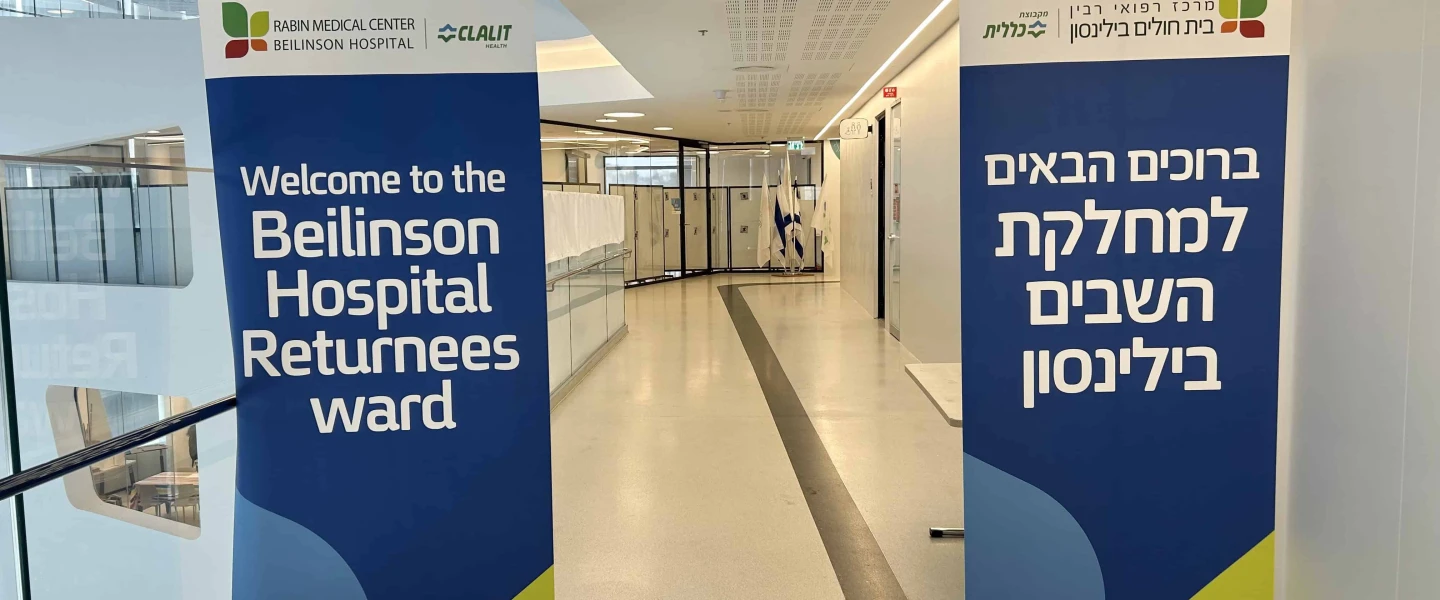
On the second anniversary of the Oct. 7, 2023, attacks, 21 suites in the Returning Hostages Unit on the sixth floor of the Rabin Medical Center–Beilinson Hospital (RMC-BH) in Petach Tikvah are empty, ready and waiting.
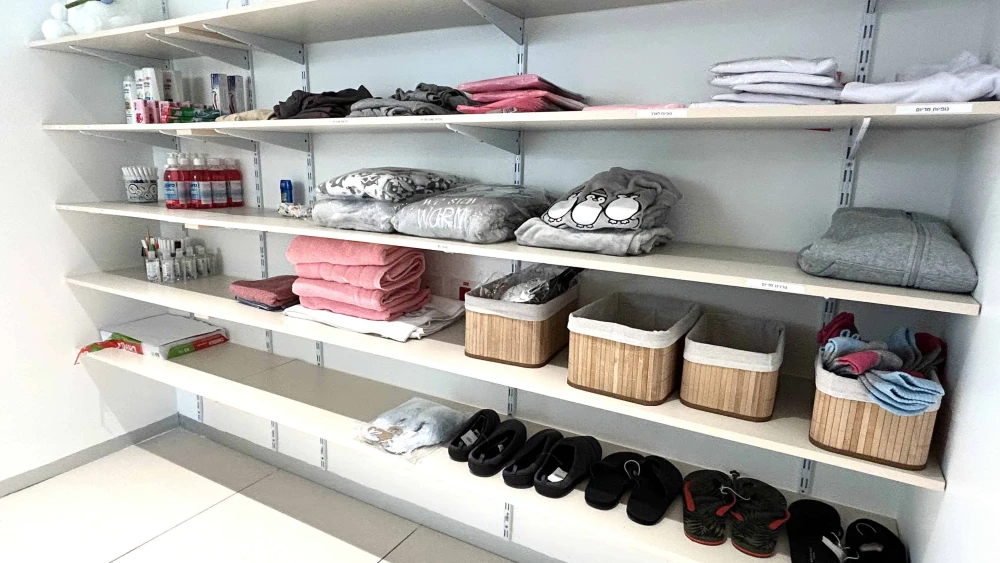
Shelves are stacked with cozy blankets and sleepwear and all manner of personal care products. The spacious, light-filled rooms are pristine and welcoming, awaiting hostages being held in Gaza who are still alive.
The Returning Hostages Unit was established in November 2023 as a comprehensive medical program dedicated to hostages returning from captivity in Gaza. It was conceived not simply as a ward with beds, but as a “homecoming unit,” combining acute care, rehabilitation, psychology and family support.
Today, the Beilinson model integrates intensive inpatient care, outpatient rehabilitation and long-term follow-up clinics. Each returnee receives a personalized plan involving physiotherapy, occupational therapy, psychiatry and medical specialists.
Families, who are recognized as secondary victims of trauma, are treated too. The work is rooted in research on former POWs, studies of long-term captivity, and decades of Israeli experience with postwar rehabilitation. Staff screen proactively for issues known to emerge years later, from cardiovascular disease and chronic pain to cognitive changes and premature aging.
Professor Noa Eliakim-Raz, head of the Returning Hostages Unit and head of the Internal E Department at RMC-BH, took the long view. “Looking from the outside, when they arrive, you see hugs and relief and think everything is fine,” she told JNS. “But captivity leaves deep physical and psychological wounds. We knew this would be a long process, and we started writing protocols from scratch.”
For Dr. Michal Steinman, the director of nursing at RMC-BH, caring for the hostages is both professional and personal. Her children narrowly escaped being at the Nova Music Festival and Kibbutz Mefalsim on Oct. 7.
“It could have been my son or daughter,” she told JNS. “So when I looked at the mothers, I felt I was looking at myself. Giving a hug or a word of comfort was as important as any medical intervention.”
She remembers the moment the unit opened: a hospital, the army, and government departments all working “hand in hand,” an overwhelming sense of national unity focused on a single mission.
What struck her most was the returnees’ resilience. “Every day we listened to their stories while they were still fresh,” Steinman said. “They remembered every moment of captivity, and we understood what hell they had been through. Yet what stood out was their optimism, their human spirit.”
That spirit reshaped the approach to caring for released hostages at the hospital. Rehabilitation at RMC-BH begins in the unit the moment a returnee arrives—stabilization, privacy, trust-building and the first steps of therapy.
As hospitalization ends, the rope is “released slowly,” she explained. The same familiar faces meet the returnees in the outpatient rehabilitation unit of the hospital, adjusting pace and content to each returnee’s needs: two to three sessions a week for some, less for others. And the support does not end there. Twice a year, a dedicated checkup clinic will evaluate medical, cognitive, and psychological markers, aiming to catch problems early and tailor prevention before they become crises.
If the model has a symbol, it is the power of the group. Dr. Michael Bahar, director of Rehabilitation at RMC-BH, said his unit deliberately built group sessions—physiotherapy, cognitive training, yoga, and facilitated conversations—because the returnees’ shared experience created rare trust and momentum.
“Normally, rehabilitation is individual,” he said. “Here, they gave each other strength. Their resilience surprised even us.”
At first, families hovered protectively, attending every session. As confidence and independence grew, loved ones stepped back—a crucial transition that Beilinson encourages, because recovery also means reclaiming ordinary life.
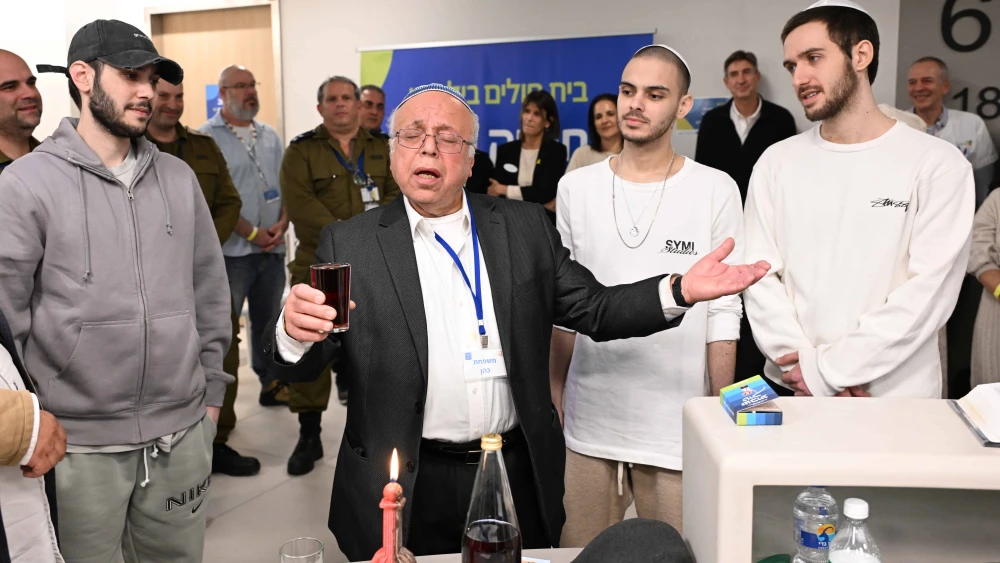
The unit makes room for the spiritual side for returnees and their families, who often request it, noted Steinman: things like shared Havdalah and challah-baking sessions with family and close friends, visits from Israeli musicians aren’t religious mandates, she said. They’re rituals of homecoming that help bridge the chasm between hundreds of days spent in the tunnels of Gaza and normal life.

Among the returnees received by RMC-BH in January 2025 were five IDF surveillance soldiers: Liri Albag, 19; Daniella Gilboa, 20; Karina Ariev, 20; Naama Levy, 20; and Agam Berger, 19. Reports about how Berger had managed to observe Shabbat and Passover during captivity circulated widely after her release.
In February 2025, Omer Shemtov, Eliya Cohen and Omer Wenkert were released. Just hours after they arrived at the hospital, the men joined in a spirited Havdalah conducted by Cohen’s grandfather, Aharon Rabi.
Lighter moments occurred, too. Bahar related how several of the young women hostages had watched episodes of the popular TV show, “Fauda,” with their captors; after their release, the show’s producers came to the hospital to talk with the women about what the third season of the series, a fictional drama about an undercover unit involved in a hostage rescue operation in Gaza, got right—and wrong.
Even as the unit celebrates progress, its leaders refuse to declare an endpoint. “What is rehabilitation?” Steinman asked. “For one person, it’s returning to work. For another, building a family. Sometimes scars resurface decades later. We don’t talk about ‘finished.’ We tell them: you can’t get rid of us—we’re with you for as long as it takes.”
The team’s protocols are constantly evolving. They review every new hostage video released by Hamas, scanning for medical clues—weight loss, wounds, signs of deprivation—that might shape immediate care when that hostage returns.
Clinicians monitor body composition closely; refeeding after prolonged starvation can be dangerous if not done with precision. They test grip strength, bone density, cognition, pain levels and metabolic health, building longitudinal profiles for each returnee.
For Eliakim-Raz, the work is a privilege and the greatest professional challenge of her career—even after years in infectious disease and leading a COVID-19 department. She described to JNS how the unit was designed as a “transition space,” spanning one or two weeks between captivity and freedom, where the pace is slow and carefully controlled. Visitors are limited. Families are given time to bond again, to learn what to expect, and to receive their own medical care if needed.
“Looking at the freed hostages from the outside,” she said, “you might think everything is good because the photos look good. But underneath, new situations are still emerging. Rehabilitation is not close to being complete.”
Bahar said she measured progress in phases: initial euphoria after liberation; the messy middle of rebuilding social and working lives; and, perhaps never fully reached, the long acceptance that experience will remain part of a person’s story. Setbacks, often due to needed surgeries, mean taking two steps back before moving forward again. Yet the outcomes so far, he says, are better than expected, especially in the cognitive and emotional domains.
The Beilinson staff are acutely aware that recovery is constrained by the absence of their fellow hostages. The returnees themselves say so.
“They tell us all the time: we cannot go back to life without our friends,” Eliakim-Raz noted. Their energy is divided between personal healing and relentless advocacy for those still in Gaza. The hospital shares that focus—and has built for it. Beds stand ready. Teams are drilled. The protocols are, in Steinman’s words, “already book length.”
The Health Ministry’s recent report to the Red Cross, detailing long-term damage to survivors of captivity, draws on the unit’s experience.
The leaders of the unit shared with JNS their feelings about the importance of teamwork among the various staff involved in the unit. “It’s not just a mission we have to do,” Steinman said. “It’s a mission we want to do. A shlichut.”
“For me, personally,” he continued, “it was a very positive experience, because as an Israeli and as a professional person in the system, it was one of the most optimistic experiences that I have had. To be a part of those moments and to look into the eyes of those former hostages and to understand that there is a potential, a really good potential, for them to go back to life, that was a very, very optimistic moment.”
“These people gave us strength. If this generation is our future, we’re going to be OK,” Bahar concluded.


