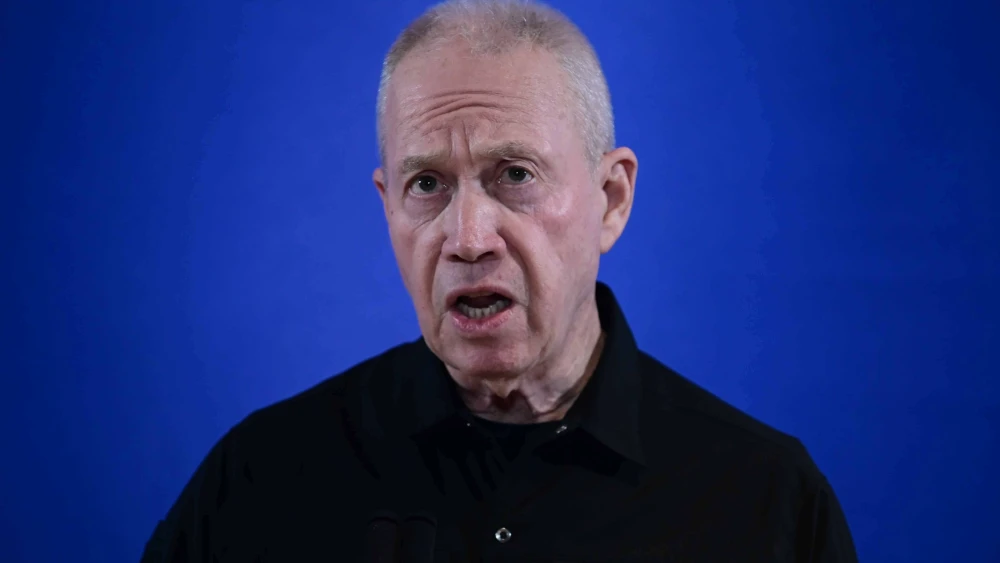
Israel remains committed to reaching a hostages-for-ceasefire deal with Hamas, “especially at this time,” Defense Minister Yoav Gallant said Wednesday, speaking hours after the terrorist organization’s “political” leader was killed in a Tehran strike attributed to the Jewish state.
During a phone call with U.S. Secretary of Defense Lloyd Austin, Gallant stressed that “especially during these times, the State of Israel is working to achieve a framework for the release of hostages,” according to a readout of the conversation.
Gallant also “expressed his deep appreciation to Secretary Austin for his personal commitment to Israel’s security, including his public support of Israel’s right to self-defense.”
One hundred and fifteen hostages, both living and dead, remain captive in Gaza, almost 300 days after Hamas’s Oct. 7 invasion. Dozens are believed to be alive, an official involved in the talks said last month.
Hamas has demanded that Israel accept an immediate ceasefire and withdraw all forces from Gaza, a demand that Jerusalem has rejected.
Prime Minister Benjamin Netanyahu told lawmakers at the Knesset on July 17: “We are determined to return all our hostages. The key is pressure, pressure and more pressure.”
Families of the captives still held by Hamas expressed mixed feelings on Wednesday morning over Haniyeh’s killing, as many were unsure how it would affect an expected breakthrough in hostage negotiations.