(Dec. 25, 2018 / The Israel Project)
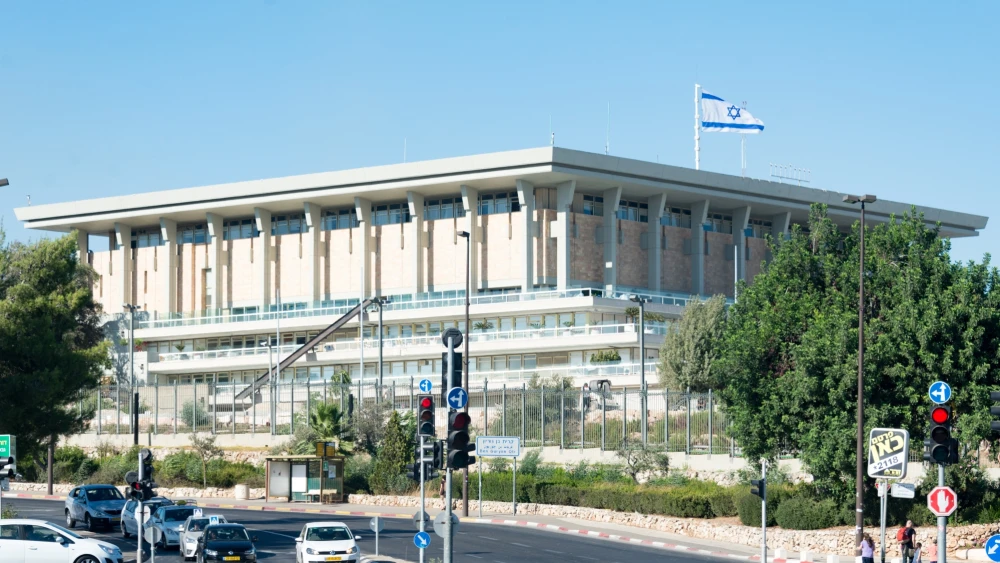
- Dec. 26: Knesset officially votes to dissolve parliament (must occur up to 90 days before the election).
- January-February: Primaries for Likud, Labor, Joint Arab List, Jewish Home and Meretz parties, Kulanu, Israel Beiteinu, Yesh Atid party lists are formulated by internal committees. Shas and Yahadut HaTorah religious party lists are formulated by their rabbis.
- Feb. 15: The list of registered voters is published.
- Feb. 21-22: Party lists are submitted to the Central Elections Committee.
- March 1: Deadline to request disqualification of a candidate.
- March 12: Central Elections Committee approves or disqualifies party lists after which they cannot be changed.
- March 19: Israeli citizens receive notifications of the locations of their voting booths.
- March 26: Beginning of election advertising on television and radio.
- March 28: Diplomats and sailors cast their votes abroad.
- April 5: Publication of the final public-opinion polls.
- April 9: Election Day. Exit polls expected at 10 p.m. Final results expected overnight.
- April 10: Election results announced. Parties have one week to submit appeals. President Reuven Rivlin begins consultations with party leaders and eventually tasks the candidate most likely to form a coalition to do so. The candidate has 28 days to form a government and can request another 14 days, if necessary.
- April 17: Publication of official election results.
- April 23: Inauguration of 21st Knesset.