


Law enforcement in Quebec, Canada, took into custody Pascal Tribout, 37, alleged to have expressed hatred of Jews via the Telegram app and who manufactured illegal weaponry.
Canadian police announced Tribout’s arrest on June 14, charging him with trafficking weapons, owning an illegal gun, promoting hate, possessing a “prohibited device” and distributing plans for manufacturing 3D-printed firearms.
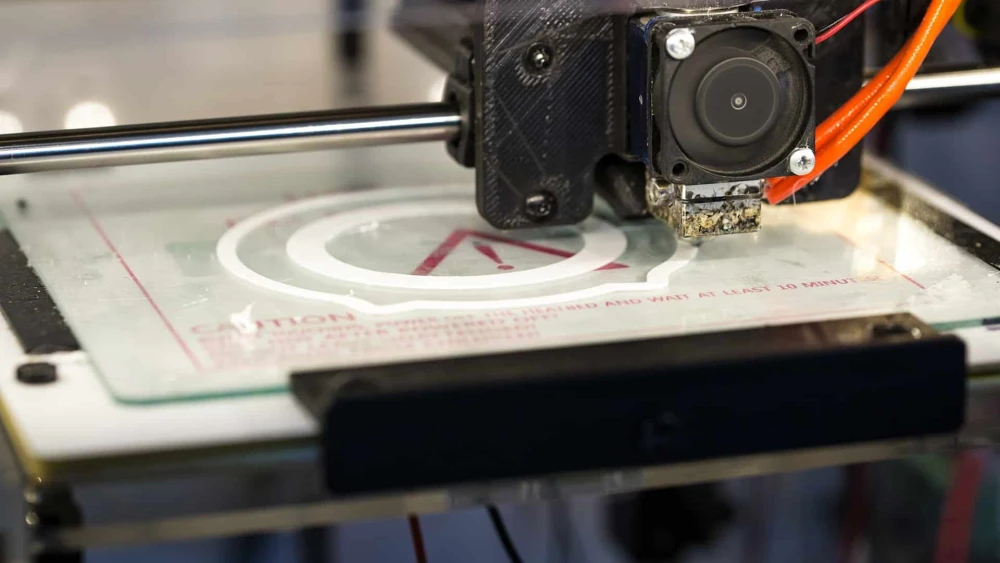
The Royal Canadian Mounted Police also took into possession multiple 3D printers and a homemade gun. Tribout, who lives in Saint-Joseph-du-Lac in Quebec, remains in custody.
Gerry Almendrades, national director of community security at the Centre for Israel and Jewish Affairs, told JNS that “it is not a stretch to say that easier access to home manufactured weapons might boost an individual’s predisposition to turn to violent extremism.
“However, 3D printing technology is not yet at a point where it is makes manufacturing of modern assault rifles accessible to the mainstream,” Almendrades said. “3D printing has been an emerging concern for security specialists for almost a decade, and while 3D printed firearms still require complex equipment and skilled technicians to produce, the technology nevertheless creates a new avenue for producing weapons outside the bounds of laws and regulations.”
There has been “an uptick in extremist ideology and symbology present at protests and encampments, as well as on social media,” Almendrades told JNS. “It is imperative that new technologies—from 3D printers to drones—are constantly being monitored and evaluated for their harmful potential.”
B’nai Brith Canada wrote on social media that it “played a pivotal role” in the investigation, providing police with “crucial information” that led to Tribout’s arrest.
The organization wrote that “this landmark arrest underscores the critical importance of vigilance and proactive action in combating hate and violence.”
Earlier this month, experts on Canadian antisemitism told JNS that they regarded the country’s level of hate against Jews as either just as bad or worse than in the United States.


