Hundreds of Israelis congregated in the early hours of Monday morning at the Nova Festival Victims Memorial site near Kibbutz Re’im, where Gazan terrorists stormed a peaceful music festival a little over two years ago, murdering 378 people.
The crowd was seen singing before sunrise, just hours before the redemption of the first seven of the twenty remaining living hostages in the Gaza Strip. The remaining 13 were returned to Israel later in the day.
The site of the Nova massacre right now. Hundreds came to pray for the hostages. A place of killing becomes a place of healing.pic.twitter.com/qvpw5odzKc
— Uri Kurlianchik (@VerminusM) October 13, 2025
After sunrise, thousands arrived at the site.
Incredible footage from the Nova sitepic.twitter.com/uiZHPly1cn https://t.co/NQYrlGdi0P
— Eitan Fischberger (@EFischberger) October 13, 2025
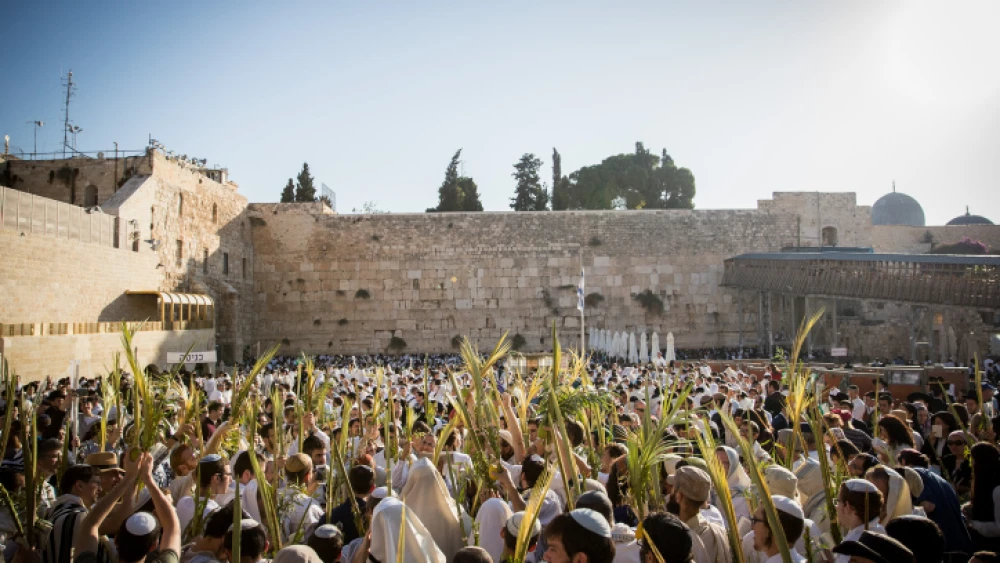
Thousands also arrived at the Western Wall in Jerusalem ahead of Hoshanah Rabba, the seventh day of the Sukkot holiday, which fell on Monday.
Worshippers also gathered in a sukkah at Hostages Square in Tel Aviv, singing “and your children shall come back to their own country,” from the book of Jeremiah (31:17).
Thousands of ultra-Orthodox Jews gathered at the Vagshal Event Center in Bnei Brak on Sunday night to read Torah passages ahead of morning prayers for the safe return of the hostages, local media reported.
Hoshana Rabbah (“the Great Supplication” in Hebrew) serves as the culmination of the Sukkot festival, blending joy and solemnity.
The morning service is preceded by prayers that commence on the previous evening and continue into the night.
A ceasefire between Israel and Hamas came into effect on Oct. 10, potentially ending the war that started when Gaza terrorists invaded Israel’s south on Oct. 7, 2023, murdering 1,200 people and kidnapping 251 more into the Strip.