


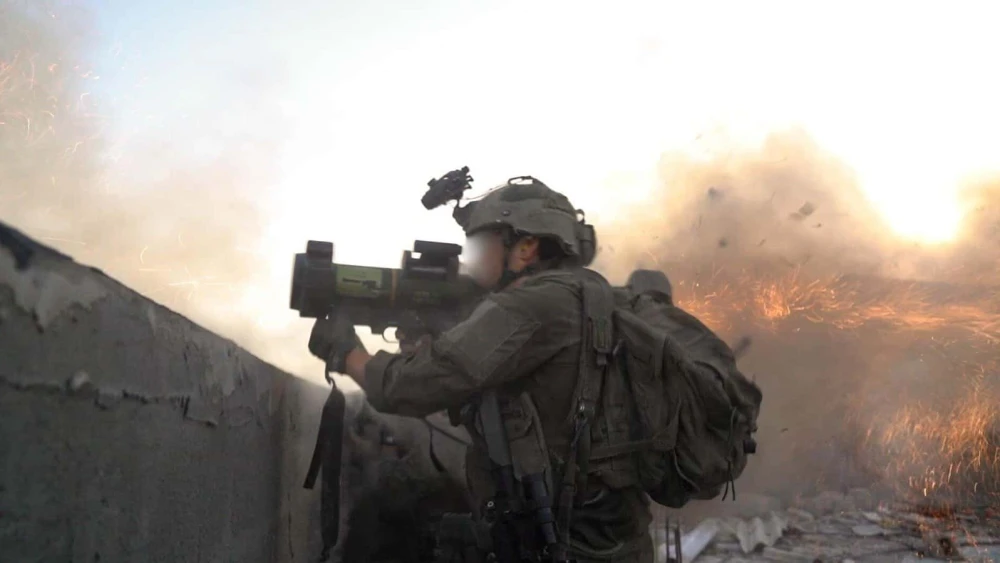
The Israel Defense Forces is finalizing plans to evacuate Rafah city and establish a strategic buffer zone along Gaza’s southern border, in what Israeli officials describe as a critical step in the dismantling of Hamas’s military presence in the area.
The plan centers on the construction of the Morag Corridor—a new security strip extending from the Mediterranean coast in the west through the former settlement of Morag, and connecting to the Philadelphi Corridor along the Egyptian border, according to Hebrew media reports. The corridor is expected to stretch up to 5 kilometers (3.1 miles) into Gaza, effectively encircling Rafah.
Israeli Defense Minister Israel Katz stated earlier this week, “Rafah will be evacuated. This area will become a buffer zone to eliminate Hamas’s ability to regroup or smuggle weapons through the southern border.”
The corridor’s establishment comes amid increasing IDF activity in southern Gaza, with updated evacuation maps showing expanded clearance zones near the border. Israeli officials emphasize that this buffer is necessary to prevent the reconstitution of Hamas forces and the use of smuggling tunnels that run between Gaza and Egypt.
“This operation is not only tactical but strategic. Control of Rafah and the Philadelphi Corridor will close off Hamas’s last remaining external supply routes,” said an IDF source cited by Ynet.
While the IDF has yet to officially launch a full ground operation in Rafah, preparations are underway, and officials have reiterated that the offensive will move forward once civilian evacuation is complete.


