Newsletter
Newsletter Support JNS

Israel amends rule for phone numbers of IDF fallen

The change allows the period a phone number is frozen to be extended from 90 days to a year.

Haifa
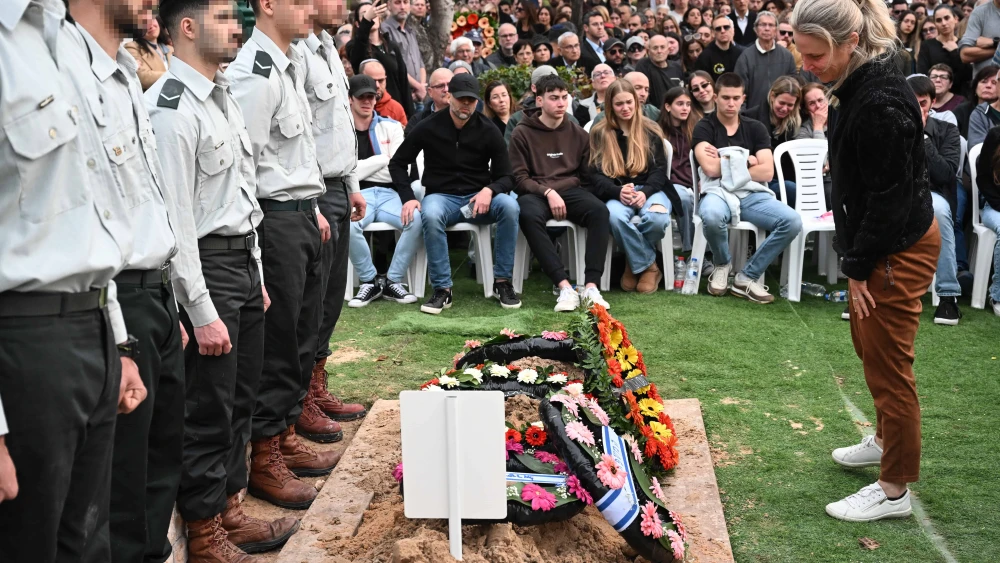
Mourners attend the funeral in Haifa of Maglan commando Sgt. Maj. Adi Eldor, 21, who was killed in action in the Gaza Strip, Feb. 7, 2024. Credit: Flash90.

Families of deceased persons can keep the phone number for one year after their use ends, Communications Minister Shlomo Karhi announced on Sunday.

Notably, this includes people killed in the Swords of Iron War against Hamas or “Operation Northern Arrows” against Hezbollah.

Rule 64 of the Communications Regulations obligates mobile telephone providers to reserve the phone number of a customer who ended a contract for 90 days from the date of the termination call, and to not assign the number to anyone else during that period.

This is to allow the customer to get his phone number back if he regrets ending the contract.

The ministry’s amendment allows the period a phone number is frozen to be extended from 90 days to a year at the request of the heir or executor of the customer’s estate if the reason for the termination of the contract is the death of the customer.

The amendment came about as a result of the request of families of fallen soldiers. Joining the request were Knesset members David Bitan of the Likud Party and Tatiana Mazarsky of the Yesh Atid Party.

The demonstration caused heavy traffic, including a chain accident on Highway 1 in which a pregnant woman was moderately injured.
More than 700 injured as a state of emergency is declared and international aid is rushed to the South American country.
Basil Sweid, 32, a driver in the military’s 75th Battalion, was “a virtuous man of good character,” his city council said.
Banning brit milah would prevent Jewish life from flourishing in Europe, said Katharina von Schnurbein.
“If this is false information, negotiations would end, immediately!” he said.
The Jerusalem-based India x Israel Nexus seeks to strengthen business, cultural and policy cooperation between the two countries.
Benny Gantz, JNS editor-in-chief Jonathan S. Tobin, Gilad Erdan, Mosab Hassan Yousef, Nissim Black and leading voices in security, diplomacy, media, law and Jewish communal affairs headline the summit’s third day in Jerusalem.