Newsletter
Newsletter Support JNS

It’s official: Israel headed for another round of elections on March 2, 2020

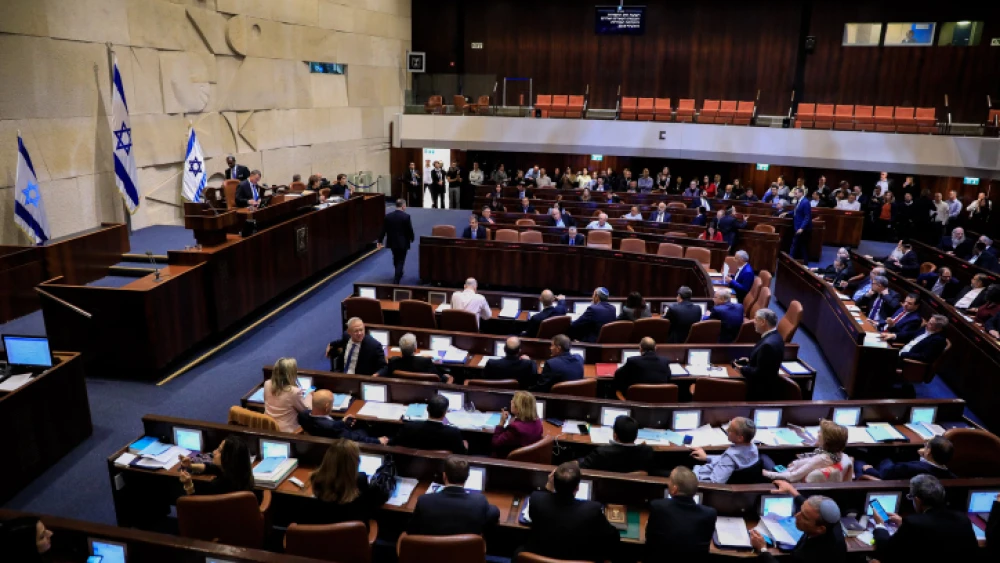
As its last act before disbanding at midnight on Dec. 11, Israel’s Knesset votes 94-0 to hold new elections and grants extra funds to the competing parties.

Israeli Knesset members vote on a bill to dissolve the parliament, at the Knesset, in Jerusalem on Dec. 11, 2019. Photo by Olivier Fitoussi/Flash90.

Israel is officially headed for its third round of elections in less than a year, following marathon Knesset sessions on Wednesday and overnight into Thursday.

The last act of Israel’s short-lived 22nd Knesset was to set the date for new elections on March 2, a decision which was ultimately approved around 3:30 a.m. on Thursday. The bill passed with 94 lawmakers voting in favor and none opposed.

It also granted parties tens of millions more shekels to spend on their campaigns—$124,000 per Knesset member and $200,000 per party—in its first and only piece of legislation. The figures represent a 30 percent increase over the funding for the previous election.

Legislators explained that the smaller parties had accrued debts due to the country’s successive election cycles, and would need to repay them in order to be able to run again.

The Shas and Yisrael Beiteinu parties opposed the increase.

Though the Knesset has done little in the way of legislating since December 2018, Knesset members’ salaries will nevertheless increase by 3-3.5 percent, to $13,000 a month, according to Ynet, an automatic increase that happens once a year.

Elections are usually set for 90 days after the dissolution of the Knesset, but as that would have put them on the Jewish holiday of Purim in 2020, legislators set the date a few days earlier.

There was never a question whether bar and bat mitzvahs were going to continue, says Rabbi Marla Hornsten at Temple Israel, despite the havoc that had teachers and children evacuate the building.
“We will not rest in the mission to stop the spread of radical Islam,” Texas Gov. Greg Abbott stated.
The panel conducts research on antisemitic activity and works with public and private entities on statewide initiatives on Holocaust and genocide education.
“If it’s something that families are attuned to, then I think it may be a good way to engage the kids on that level,” Rabbi Steven Burg, of Aish, told JNS.
“I was a little surprised at the U.K. to be honest with you,” U.S. President Donald Trump told reporters at the White House. “They should have acted a lot faster.”
“It is imperative that university administrators rise to the occasion to take a firm stand against antisemitism and racial violence,” Sen. Bill Cassidy wrote.