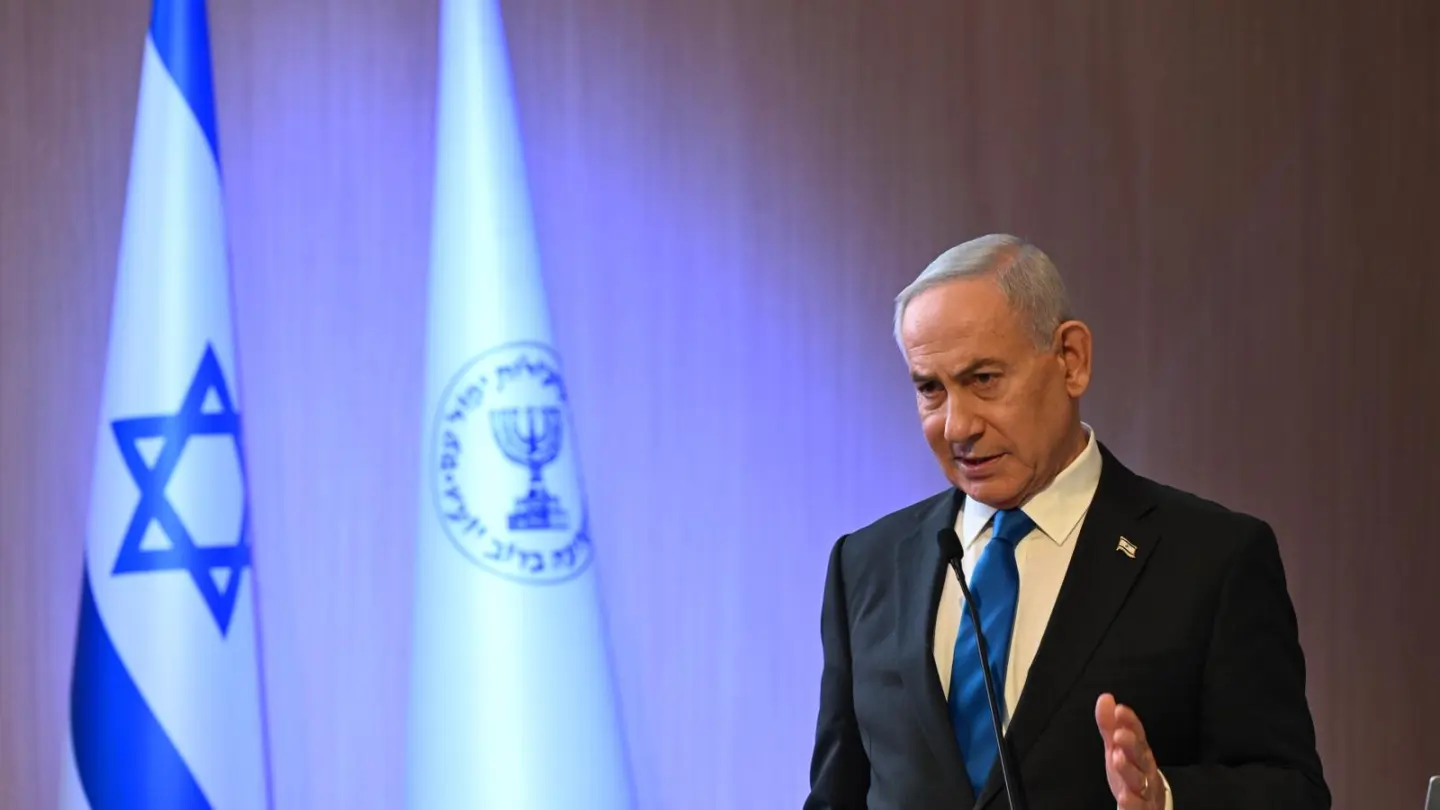
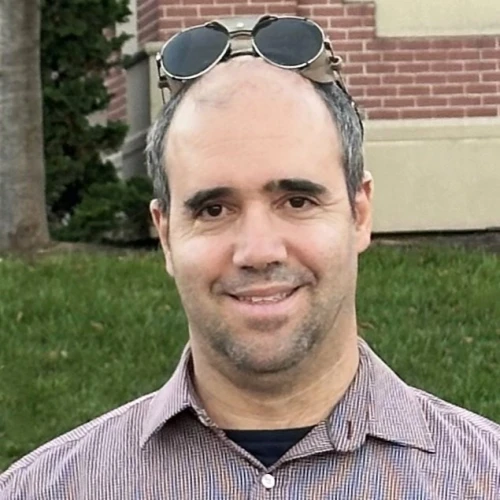
Israeli Prime Minister Benjamin Netanyahu’s physician brother on Tuesday questioned the mental state of U.S. President Joe Biden.
In an interview with the Kan public broadcaster, Dr. Iddo Netanyahu, 71, said he does not believe that Biden is familiar with the details of Jerusalem’s effort to reform the judiciary, an initiative the American leader has slammed repeatedly.
“I do not know what kind of mental state he’s in,” said Netanyahu, adding that the Biden administration was using the reform as an “excuse” for its failure to invite the Israeli premier to the White House.
Amid a backlash, Netanyahu subsequently walked back the remarks, saying he “did not express himself successfully.
“I don’t cast any doubt on President Biden’s [mental] situation or that he’s a great friend of Israel,” said Iddo Netanyahu.
On Sunday, Biden again called on the prime minister, 73, not to forge ahead with his government’s judicial reform effort and to seek a broad consensus.
In a statement to Axios, the president said that “it looks like the current judicial reform proposal is becoming more divisive, not less.”
He added: “Given the range of threats and challenges confronting Israel right now, it doesn’t make sense for Israeli leaders to rush this—the focus should be on pulling people together and finding consensus.”
Netanyahu’s coalition proceeded hours later to pass a key piece of the reform legislation into law.
The amendment to Basic Law: The Judiciary limits the Supreme Court’s use of the so-called reasonableness standard. It bars “reasonableness” as a legal justification for judges to reverse decisions made by the Cabinet, ministers and “other elected officials as set by law.”
“Today, we performed a necessary democratic step,” Netanyahu opened his speech on Monday night, explaining that realizing the will of the voters “is not the end of democracy … , it is the essence of democracy.”
“Because of the importance of the issue, the coalition worked to reach agreements with the opposition,” the prime minister continued. “We agreed to stop the legislation and stopped it for three months. We agreed to significant changes.”
However, “no compromise of ours was ever accepted, not even one,” he said. “Even today in the plenary, in the middle of voting, until the last minute, we tried to reach agreements, but the other side refused.”
Iddo Netanyahu, a radiologist, writer and playwright, served, like his older brothers Yonatan and Benjamin, in the IDF’s General Staff Reconnaisance Unit (Sayeret Matkal).