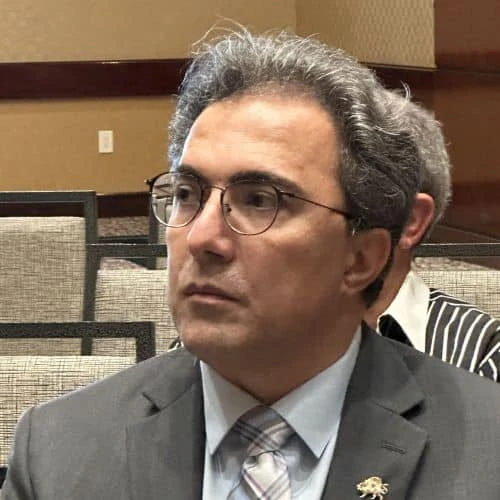
The Knesset passed a law unanimously that criminalizes denying the Hamas-led terrorist attacks in southern Israel on Oct. 7, 2023.
Oded Forer of Yisrael Beiteinu proposed the legislation, which 16 members supported in its third and final reading on Tuesday.
לא ניתן להכחיש את זוועות 7 באוקטובר!
— Oded Forer עודד פורר (@oded_forer) January 21, 2025
היום הכנסת אישרה את החוק שיזמתי: עונש של עד 5 שנות מאסר למי שיכחיש, ישבח או יביע אהדה למעשי הטבח הרצחניים של חמאס.
האמת חשובה יותר מתמיד – לא ניתן לשקרים ולשנאה לנצח. pic.twitter.com/V0WCNx346p
The law designates denying the massacre to defend or support Hamas or its partners, as a criminal offense punishable by up to five years in prison.
The proposal clarifies that statements made incidentally, in good faith, or for legitimate purposes will not be considered a criminal offense.
The Israeli attorney general must approve indictments under the new law.
The legislation is reportedly modeled on a 1986 law, which the Knesset passed and which criminalizes Holocaust denial.
“The horrors of Oct. 7 cannot be denied,” Forer stated after the law was approved. “The truth is more important than ever. We will not let lies and hatred prevail.”