Israeli Foreign Policy

The African nation has maintained full diplomatic relations with Israel since 1964 • Israeli Foreign Minister Gabi Ashkenazi praises “groundbreaking decision.”

Khartoum could gain economic development and water technology, while Jerusalem can see more security on the North African front.

Sudan’s justice minister: Deal allows Khartoum “to resolve historical liabilities, restore normal relations with the U.S. and move forward toward democracy and better economic times.”
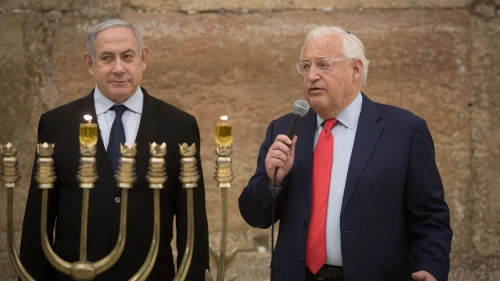
“We’ve done more for the cause of peace within this region than any administration in the history of the United States. And, I think those opposing us just are not seeing the situation clearly,” America’s envoy to the Jewish state tells JNS in a wide-ranging interview.

Gathering in central Tel Aviv to honor the memory of the late prime minister and longtime statesman.

The Islamic Republic is fearful of an Israeli presence on its northwest border, in addition to the presence of Turkish-backed Sunni operatives sent to help the Azeris, a former National Security Council member tells JNS.
“We were not subjected to blackmail. We lay down our interests ... and it could be that we gain more than the other parties,” says Lt. Gen Abdel Fattah al-Burhan, head of Sudan’s transitional government.

Digital conference: Gulf Arabs emphasize rapprochement with Israel, disappointment with Palestinians
Kohelet Policy Forum chairman Moshe Koppel said, “After the colossal failures of trying to strike peace through unilateral concessions, we have changed course. The conference seeks to present a new approach with all it implies. Advancing the new Middle East runs through cooperation—not capitulation.”

Sudanese Prime Minister Abdalla Hamdok wants the parliament in Khartoum, which has not yet been formed, to approve normalization with Jerusalem, meaning the process may take time.
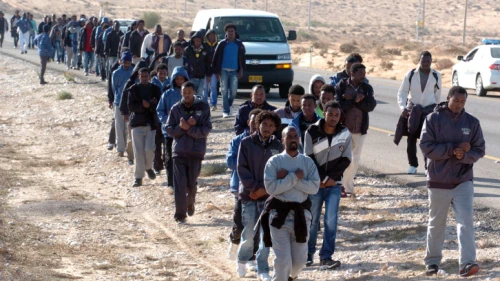
“We are not afraid of being returned. We hope the agreement with Israel points to the current situation in Sudan,” says Sudanese asylum seeker.

Those opposed to the U.S.-brokered deal reiterated the “Three Nos” of the Arab League’s 1967 Khartoum Resolution: “No recognition of Israel, no peace with Israel and no negotiations with Israel.”
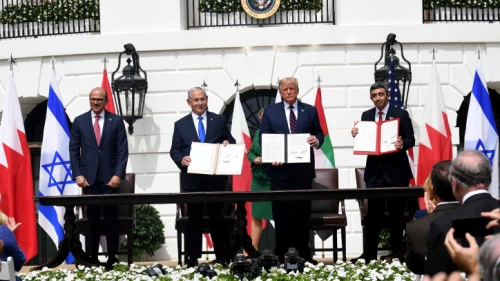
Until Friday’s announcement that Sudan had joined the peace effort, the Abraham Accords was the only treaty reached between the Jewish state and a Muslim-majority country since the 1994 deal with Jordan.