Judicial Reform

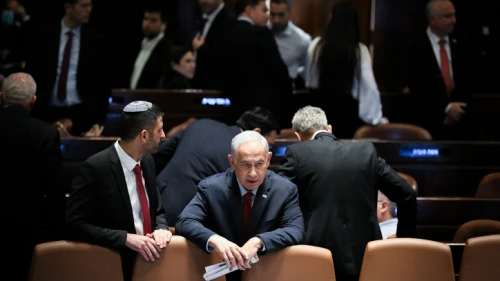
The appellants say the prime minister’s decision on a conflict of interest arrangement was “tainted by an extreme lack of reasonableness.”
Israel’s justice minister slams ruling that the “deposit law” violates foreign workers’ rights.
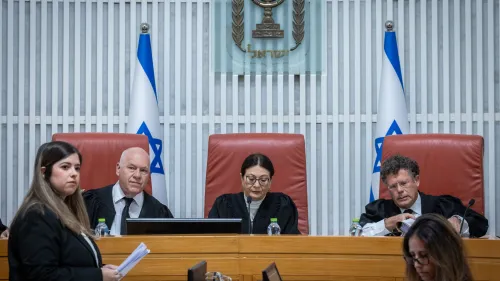
The Judicial Selection Committee is responsible for appointing judges at all levels of Israel’s civil court system.

If the country was so aghast about judicial reform just two months ago, why are the current protests drastically smaller?
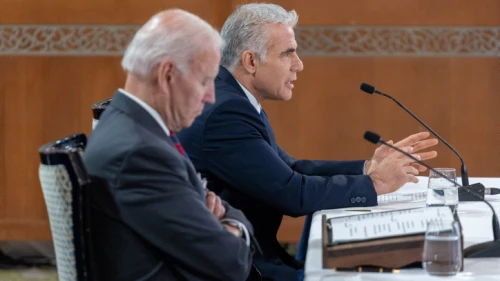
The U.S. president’s statements are coordinated with the opposition figures, Amichai Chikli said.

“For the past several decades, both courts have been acting as super legislatures,” Zack Smith, of Heritage Foundation, told JNS of the Israeli and U.S. Supreme Courts.

Demonstrators block roads, attempt to shut down airport, clash with police, as reform legislation advances. Turnout appears much smaller than in previous protests.

Danny Danon accuses Hagai Frankel of acting in a “threatening and aggressive manner” towards his family.
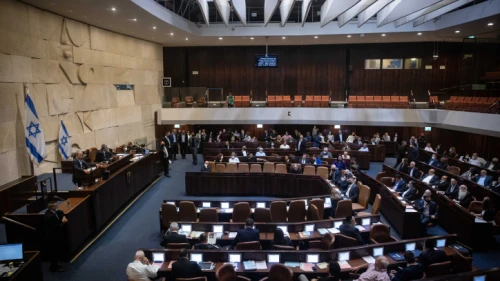
The bill’s text bars the standard as a legal justification for judges to reverse government decisions.

Naomi Kahn is pushing back on perceptions about the Israel land protection NGO: “We’re more necessary as a lobbying organization now than ever.”
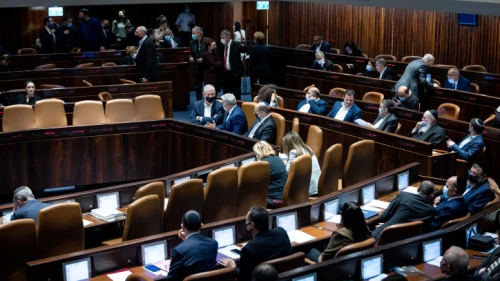
The bill will block the courts from using “reasonableness” as a standard to overturn Cabinet decisions. Protesters plan a “day of disruption” in response.
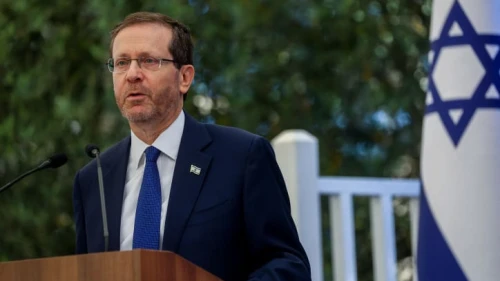
Israeli president calls the refusal to negotiate on a judicial reform agreement a “blunder of historic proportions.”