Federal restrictions that prevent faith-based organizations from using government funds for religious activities violate the First Amendment, according to a legal opinion that the U.S. Justice Department’s legal counsel office released on Aug. 25.
“Faith-based organizations across the United States deliver vital charitable services—feeding the hungry, supporting families and helping individuals overcome addiction,” according to the 39-page opinion. “The federal government helps fund this work.”
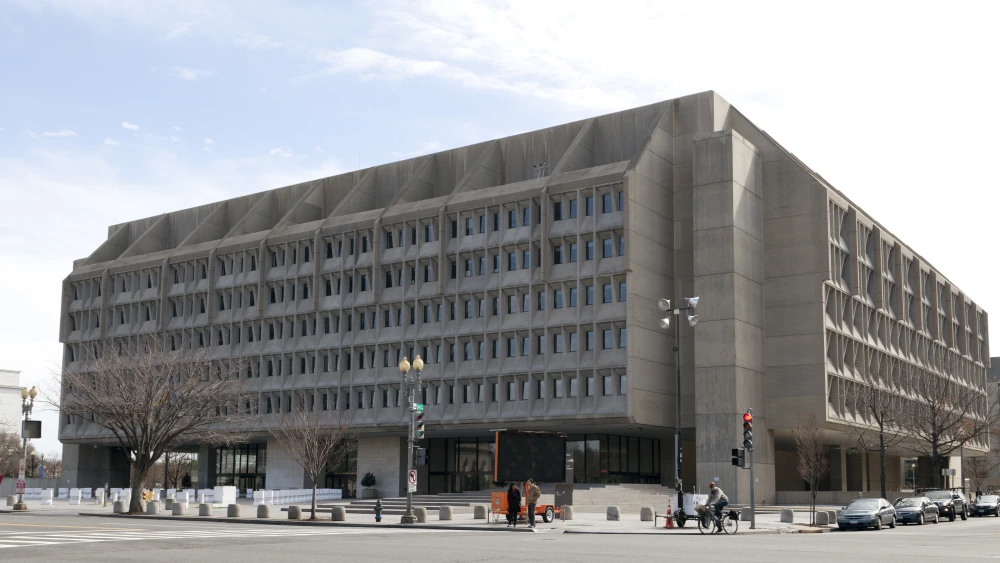
The restrictions apply to federally supported welfare, substance-abuse and child-care programs administered by the U.S. Department of Health and Human Services and prohibit funds from being spent on worship, religious instruction or proselytizing.
“A secular food bank may post advertisements on its walls or announce messages before meals on countless topics, while a church soup kitchen cannot hold a communal prayer before serving a meal,” the opinion states.
Such requirements have “proven challenging to small faith-based organizations and may deter religious institutions from participating altogether in federally funded programs,” it states.
The office concluded that the restrictions discriminate based on religious status or anticipated religious use. “The statutory religious restrictions are therefore unconstitutional under the First Amendment,” it says.
The opinion added that if the U.S. Department of Health and Human Services adopts a policy declining to enforce the provisions and related regulations, it must notify Congress within 30 days.