


Column

A few weeks into the presidential term of Alberto Fernandez, concerns have been raised about the foreign policy he will pursue in the backdrop of terrorist elements in his country.

When government officials berate people for expressing contrary points of view, free speech and dissent are chilled.

A new report documents the anti-Semitic fervor of Students for Justice in Palestine. Still, both college administrations and student groups fail to brand it as hate group.

How do we avoid mistaking the current wave of anti-Semitism for that of the Nazi past without slipping into complacence?

It has been driven by the combined forces of secularism and Marxist beliefs posing as liberalism, with the aim of creating a new world order in which God is dethroned by mankind, biblical morality is replaced by secular ideology, and truth is subordinated to power.

The British party’s drift towards anti-Semitism wasn’t inevitable; it was the result of a centrist collapse. While their situation is different, Democrats could face a similar dilemma.

Her opposition to an Armenian genocide resolution was a disgrace. But Trump, Obama and the pro-Israel community have also been hypocrites on the issue.

All that the Kurds have in common with the Palestinians in this regard is their method. Their moral foundations are radically different.

A nationwide argument erupted in Israel over the limits of religious freedom and practice in the public sphere, particularly when involving state-funded or municipal venues.

By creating a mechanism to fund anti-Zionist groups, it is attacking not just Israel, but also a federation system vital to maintaining Jewish institutions in America.
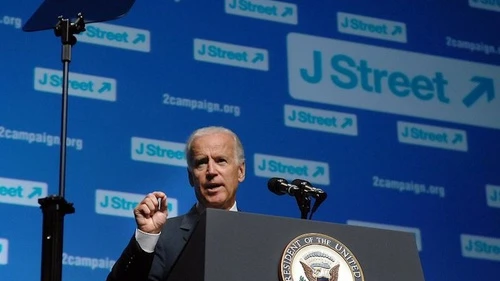
His denunciation of threats to cut Israel aid was great, but it’s far from clear that the fading establishment champion can best his party’s increasingly dominant left wing.

The movement’s cutting of ties with KKL—the Israeli version of the Jewish National Fund—marks a potential turning point in the relationship that helps no one.