
On the eve of the Iranian regime’s reckoning, few will debate its imminent collapse. The only question is when and how.
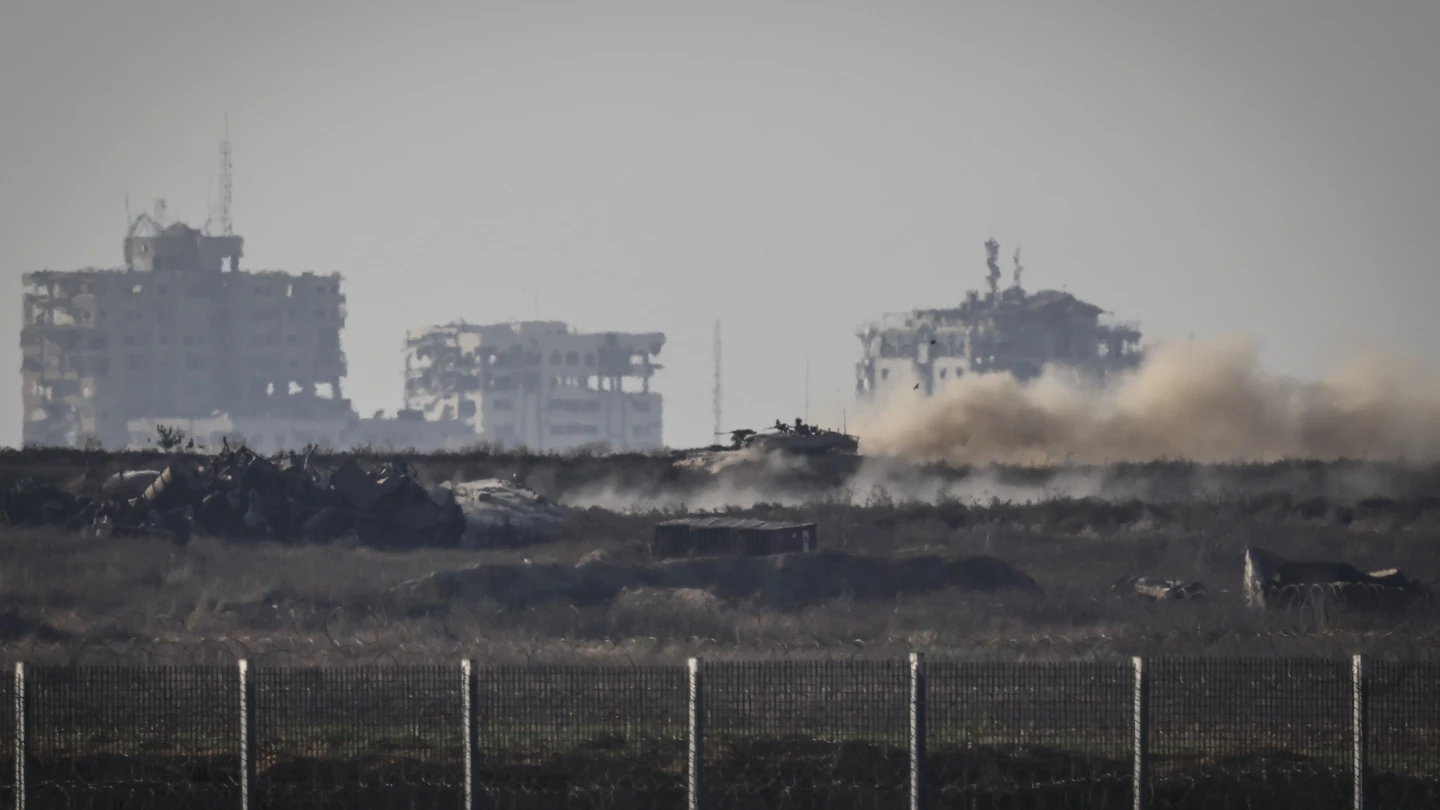
A government that is a death cult is unlikely to capitulate, though that depends on whether the Islamic Revolutionary Guard Corps will go down with the ship—or whether a decisive U.S. strike eliminates Ayatollah Ali Khamenei and his kamikaze henchmen first. If that happens, the crucial question emerges: Did Israel sufficiently hobble Iran’s retaliatory capabilities, or does the regime retain enough ICBMs and drones to strike back? Or worse—what remains unknown about Iran’s nuclear arsenal?
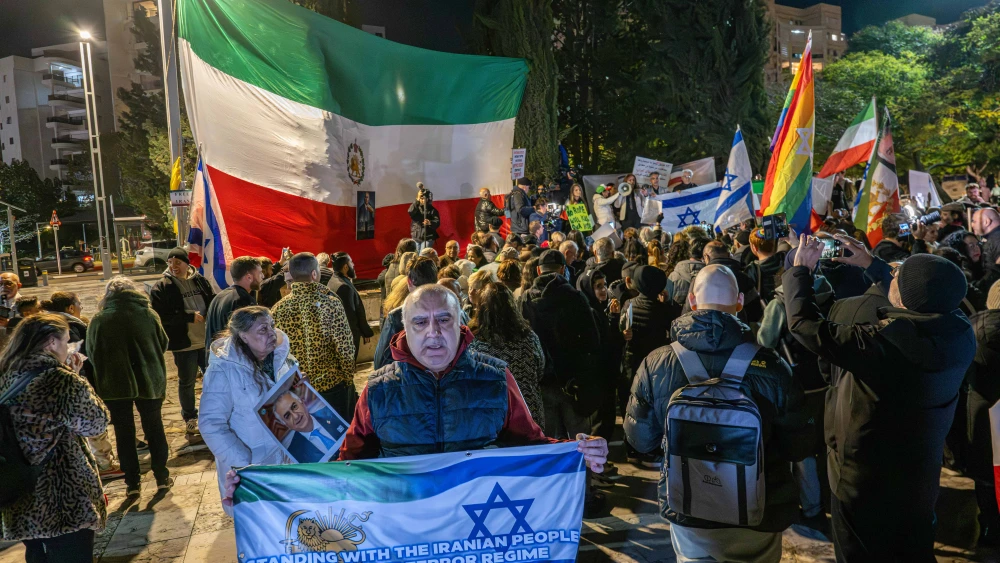
As we ponder these scenarios, tens of thousands of Iranian protesters face escalating danger with every passing moment.
Critics argue that foreign interference in regime change has historically gone badly, and legal questions complicate U.S. involvement. Iran’s situation, however, transcends these debates; it’s about defending global security. Iran is a worldwide sponsor of terror with proxies throughout the Middle East threatening destabilization that must finally be put to an end.
The distinction between regime change and national defense hinges on whether a population supports or opposes its governing body. Consider Ukraine—a functioning democracy invaded by Russia, where citizens rallied to defend their freely chosen government. Contrast this with Iran, where millions chafe under theocratic rule they would gladly see dismantled.
History offers sobering lessons about outsiders attempting to liberate populations from tyranny.
The graveyard of failed interventions—Vietnam, Iraq, Libya, Afghanistan, to name a few—demonstrates that sustainable change cannot be imposed from abroad. Whether a struggle against theocratic oppression or a quest for self-determination, the fundamental truth is: People must ultimately free themselves. Foreign forces may provide support, but cannot supply the will for self-determination.
Defending a sovereign nation against unjust aggression stands on entirely different moral ground. When the Allies united against Nazi Germany in 1944, they weren’t imposing government on unwilling Germans; they were stopping an expansionist war machine threatening global stability. Today’s support for Ukraine follows this principle. Ukrainians aren’t asking foreign powers to choose their government; they’re requesting assistance to defend the government they already chose and protect the world from Russian President Vladimir Putin’s fantasy of the reunification and glory days of Mother Russia.
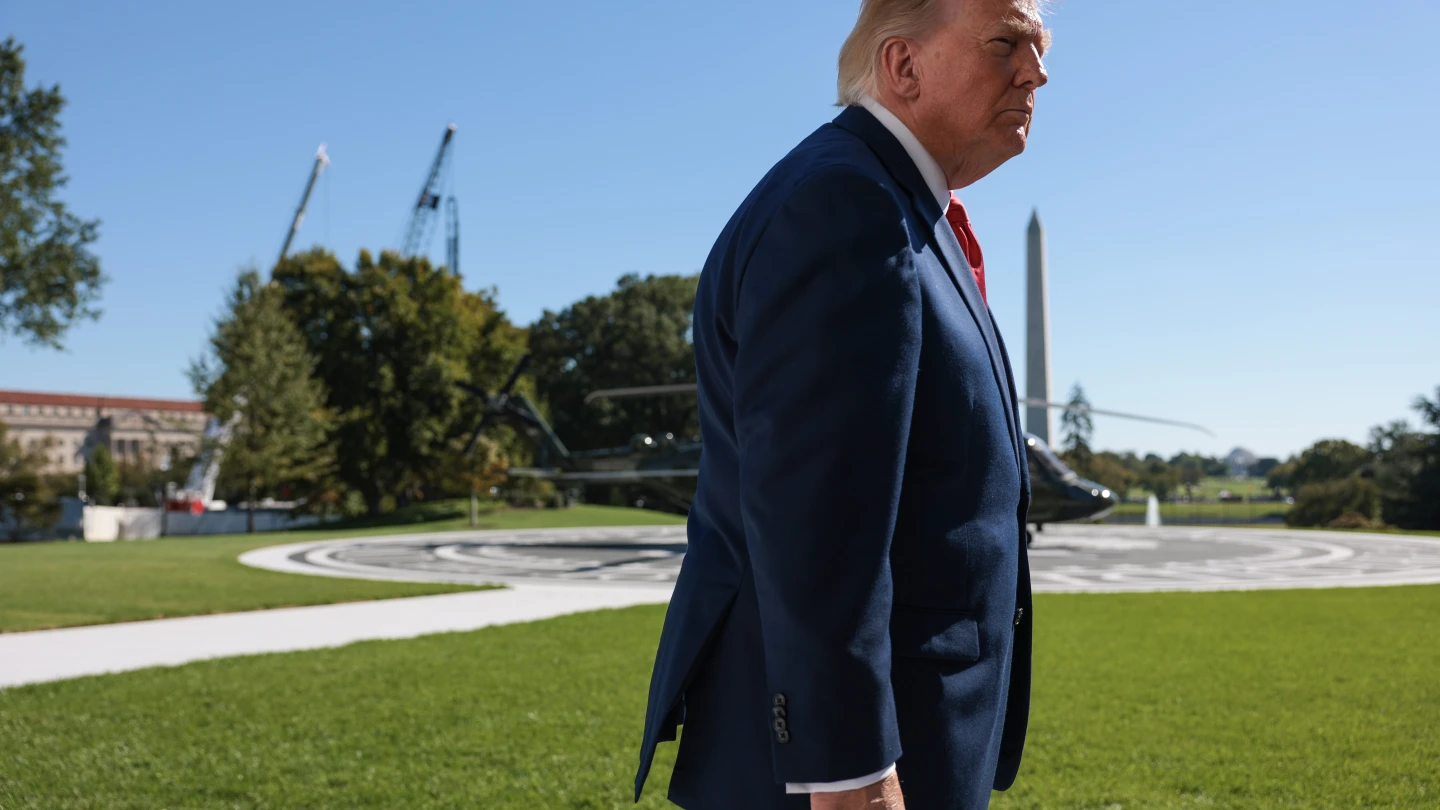
The World Economic Forum gathering in Davos last month illustrated how global leaders prefer performative outrage to substantive strategy. Say what you will about U.S. President Donald Trump’s considerable ego, but he understands leverage and negotiation in ways traditional diplomats do not. His unpredictability may actually serve strategic purposes. In geopolitics as in business, keeping adversaries off-balance provides tactical advantage.
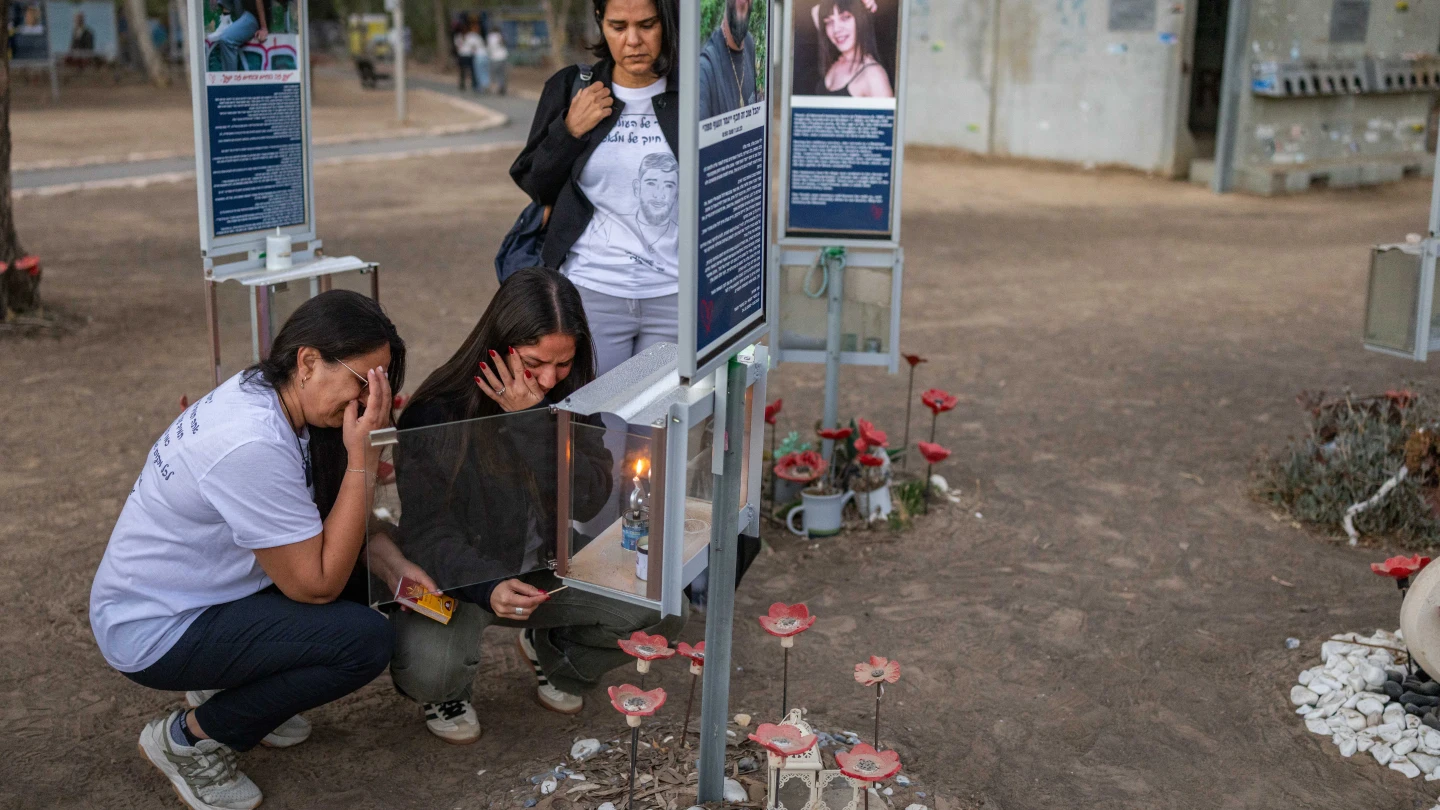
Iran presents a unique situation where regime change and defense of the world order converge. The Islamic Republic has spent decades building a global proxy network of terror—Hezbollah, Hamas, the Houthis, Iraqi militias—operating under the regime’s explicit agenda of global Islamization. Iranian-sponsored terrorism has destabilized entire regions and cost countless innocent lives from Buenos Aires to Beirut, from Yemen to Vienna to Bondi Beach, Australia. It all falls under the rationale of global jihad sponsored by Iran. Unseating the regime is not just about liberating Iranians from oppressive theocracy; it’s about dismantling a regime threatening international stability itself.
True liberation requires internal commitment. Iran represents both: a population desperate for self-determination and a command whose elimination serves legitimate global security interests. The question isn’t whether action will come, but how and when. One thing is certain: We’ve reached a critical tipping point. Whatever happens next needs to happen swiftly, before more Iranian protesters pay with their lives and before the regime unleashes whatever retaliatory capabilities it still has at its disposal.
Knowing Trump’s affinity for poetic nuance, my bet is that he will unleash a Purim story of unprecedented redemption that will involve air, sea and land warfare to secure a new Iran for its citizenry and the world.