The final stage of the Syrian civil war offers an opportunity, maybe the last one, for any entity that wants to eliminate threats without paying too high a price. The moment the war officially ends, which will happen soon, everything will become more complicated, from airstrikes to assassinations.
It is likely that this played a part in the killing of Syrian scientist Aziz Azbar over the weekend. The operation combined tactical and intelligence capabilities, and a cost-benefit analysis. It took considerable time to gather the necessary intelligence, and the action needed to be precise—not only to ensure that it took out the target, but also to prevent collateral damage. The operational side was simpler, especially in light of the plethora of weapons available and the number of operatives in Syria looking for action.
The decision-making process for an operation like this one is complex. The rebel factions in Syria are uninhibited and would have acted without hesitation. But despite their claim of responsibility for the killing, it is unlikely they were behind it. That’s not because they feel pity for the life of any Syrian official, but because Azbar was not an attractive target to them and was not worth the effort, certainly not as they are battling with their last breath.
It is more likely that others were more interested in Azbar’s activities. He was a senior missile engineer, No. 3 in the Syrian weapons industry, a close associate of Syrian President Bashar Assad and the point where Iranian-Syrian-Hezbollah weapons interests converged.
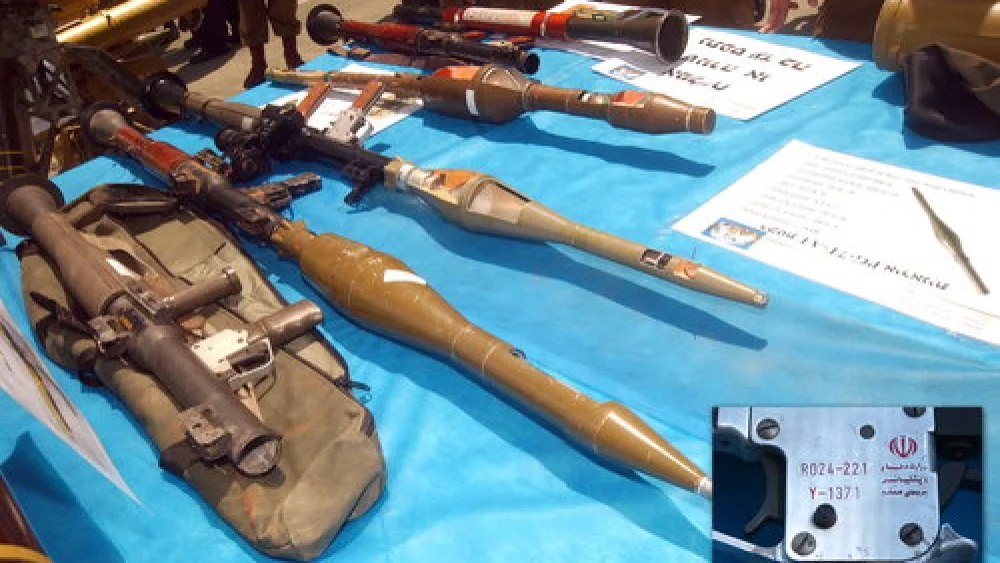
For years, that weapons axis has been a focal point for Israel because of Hezbollah’s attempts to arm itself, and because of the additional effort this past year to establish and arm Iranian militias in Syria. Azbar oversaw missile production in Syria, and according to foreign reports was recently involved in laying the groundwork for missile production in Lebanon as well. For Israel, this is a critical issue. According to the same reports, Israel took care to strike the weapons convoys on Syrian soil, before they entered Lebanon, to avoid an escalation with Hezbollah, which had made it clear that it would consider a strike in Lebanese territory to be a casus belli.
The manufacture of missiles in Lebanon, if it begins, would eliminate the need for weapons convoys and would allow Hezbollah to build its capabilities without concern. Taking Azbar out of the game will not stop anyone in Lebanon from gaining the ability to make their own missiles, but will definitely complicate things for Iran and Hezbollah because he was not only a source of knowledge, but also someone both sides trusted. It will take time to find a replacement.
This is another stage in a long battle, as was the series of strikes in Syria attributed to Israel, at least three of which targeted the factory where Azbar worked. It is rare that killing one person changes everything, but in a war of shadows like this one, any delay caused to the other side, any time they are forced to suspect that they might have a mole, and every failure to acquire weapons staves off the threat, and by doing so keeps the next war at bay.
Yoav Limor is a veteran Israeli journalist and columnist for Israel Hayom.