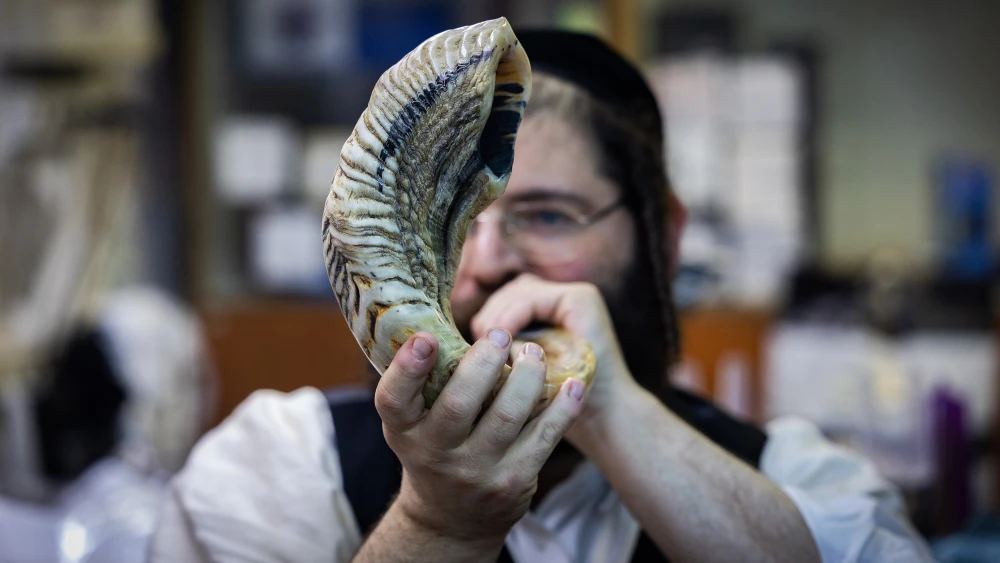

It’s almost Rosh Hashanah, when the sound of the shofar shakes our complacency as a call to action.
Rosh Hashanah is the time when the world is judged. And it’s also a time for introspection, reckoning, heartfelt prayers and tears. Even the most pious can’t help feeling some trepidation at the self-reflection required.
This year, Jews face a barrage of existential challenges. These include antisemitic political candidates in Michigan and elsewhere in the United States. Many Jews are waking up to the danger and are seeking guidance as to what can be done.
However, old habits resist change, and political affiliations, especially those built on social identity, are difficult to shake off, even when necessary. Nevertheless, we are challenged to do so and to unite in pursuit of the higher purpose of defending the Jewish people from harm.
In a very real sense, Rosh Hashanah is all about this process of rectification and repentance. It’s not business as usual.
How, then, should we rectify and repent?
Change is not as simple as resolving to do so. We are born with certain character traits and nurtured to be creatures of habit. Habitual behavior is exceedingly difficult to change. Neuroscientists have written about how a goal-directed decision might come into conflict with the habitual-behavior circuitry imprinted in the brain. By exercising our free will to improve ourselves, we are, in effect, fighting both nature and nurture.
The Talmud (Menachot 29b) reflects on this problem and provides some comfort. It asserts that the struggle to change can be successful. It notes that we are endowed with free will and can choose to do right or wrong. The Talmud goes on to say that God helps those who seek to do good and repent, even if it’s by a circuitous route.
Rabbi Shmuel Eidels (the Maharsha), a 16th-century Talmudist, explains the Talmud’s metaphor in concrete terms.
No real barriers prevent someone from dropping out of the protective envelope of God and the performance of the commandments. Life happens and, absent the discipline of the commandments, new habits develop as the person evolves. Reengaging with and conforming to the Torah’s normative system might require sublimating inborn character traits, as well as overcoming habitual behavior. Each person has their own subjective challenges to overcome to reorient themselves. There is no coming back the same way a person left. Change must come by a more circuitous route.
Maimonides (Shemonah Perakim 4) discusses the process of rectification. He counsels that perfection is generally about achieving moderation in all things. However, once a person acquires bad habits, it is extremely difficult to shake them.
He explains that virtues or vices are acquired by the frequent repetition of acts that are associated with those qualities over a long period of time. If the acts performed are good ones, the person gains a virtue. If they are bad ones, the person acquires a vice. Once inclined toward an extreme, the soul becomes diseased.
Maimonides’s diagnosis of the human condition and habitual behavior is every bit as fresh today as it was more than 800 years ago. We now take for granted the link between a physical malady and the mind. However, Maimonides’s holistic approach views this condition not only as a disease of the body and mind, but also of the soul.
His cure for an illness of the soul is analogous to his treatment of a person suffering from a physical ailment. When the equilibrium of physical health is disturbed, the treatment involves temporarily forcing it to go in exactly the opposite direction until it returns to its proper, balanced condition. Once the necessary adjustment is achieved, the more aggressive treatment is ceased, with careful monitoring to ensure there is no relapse.
Resetting moral equilibrium requires a similar process. It is almost impossible to transition directly from an extreme of virtue or vice to a state of moderation and balance. Thinking about or expressing the need to change may sound nice, but it’s not a substitute for behavior. Performing acts of kindness and good deeds is an essential component in the cure because it is how the brain is rewired.
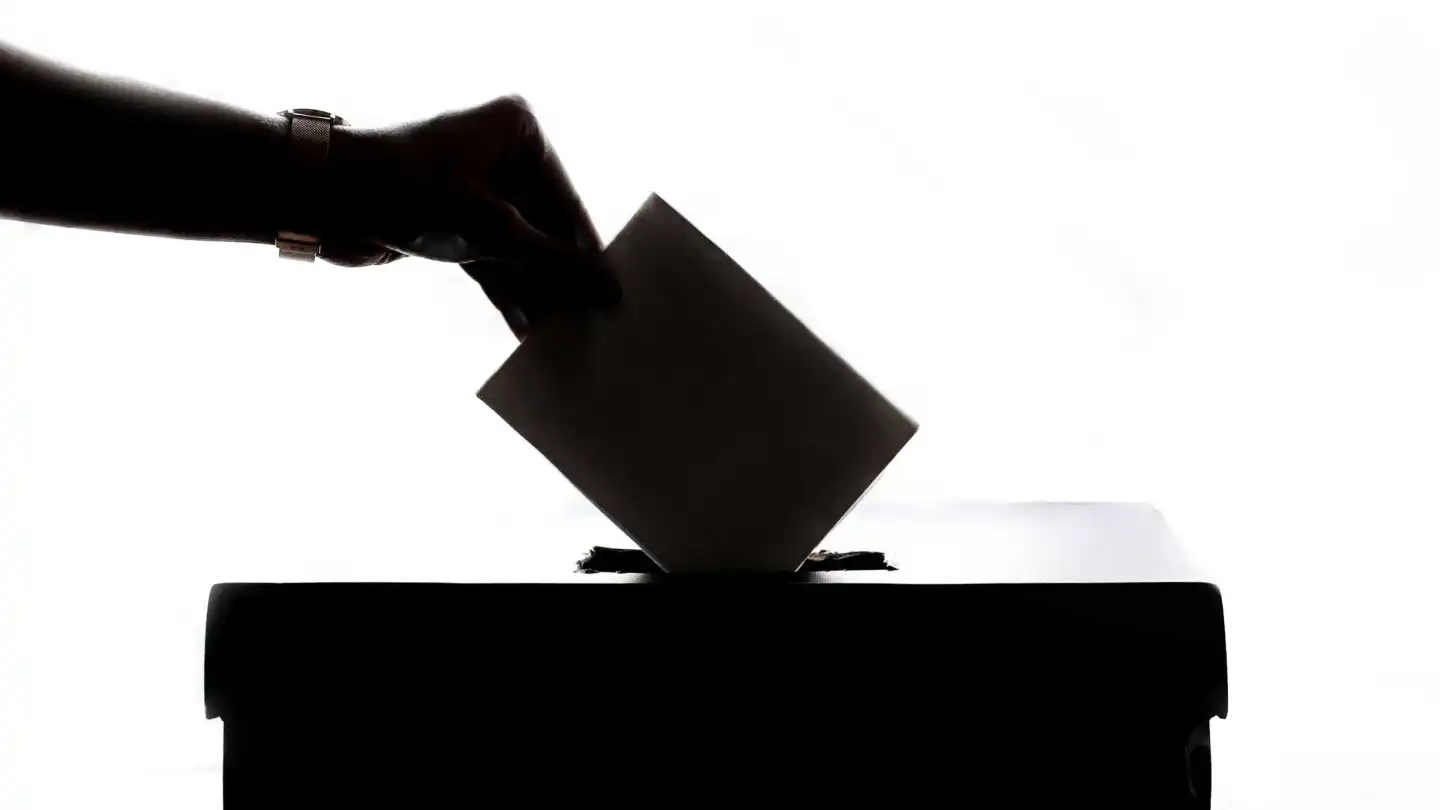
So, pick a good deed to perform. In these challenging times, it’s critical to unite with others who might not ordinarily agree with us politically or otherwise to do the right thing for the Jewish people. Our charge is to perfect ourselves, preserve America, strengthen the mutually beneficial U.S.-Israel relationship and root out Jew-hatred in all its forms. We must honor our sacred duty to get out the vote and defeat all malign candidates at the polls.
May everyone’s journey of repentance be blessed with success. And may we all be inscribed with a happy, healthy and blessed New Year, free from threats to our safety as Jews.