
Every Passover, we ask the same question: Why is this night different from all other nights? This year, for the first time since Oct. 7, the answer is freedom. Real, hard-won and finally ours.
Every living hostage is home. Every murdered hostage has been given the dignity of a Jewish burial. After 738 days that felt like lifetimes, the circle has closed.
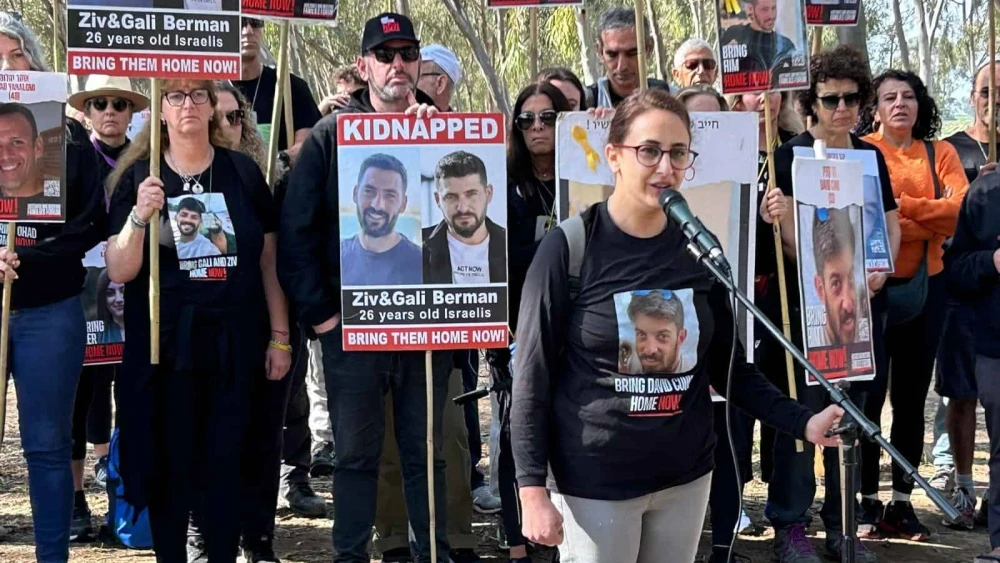
For two-and-a-half years, my heart broke on a rolling basis. Not a dramatic, one-time shattering, but a daily, quiet, relentless breaking. I know I wasn’t alone. Every one of us who carried the faces of the hostages into the supermarket, into carpools, into Shabbat dinners knows what that weight felt like. We smiled at our kids while the names scrolled in our minds. We set beautiful tables while the hostage families sat at empty ones.
Still, we suffered through not one but two Passovers with our people in tunnels. How do you sing “Dayenu” when your brothers and sisters are starving? How do you lean back in your chair, the ritual symbol of freedom, when freedom for your own family feels like a taunt? Those seders were a wound. We observed them because we are Jewish, and we keep going. Wounded but unbreakable. That is who we are.
Then came Oct. 13. The final 20 living hostages came home. I watched the footage the way you watch something you have regularly prayed for; you’re almost afraid to believe it is real. Among them: Matan Angrest, Alon Ohel, Avinatan Or and the Cunio brothers. Sons, brothers, fathers, husbands. The exhale every Jewish mother had been holding for over two years.
Then, in January, the body of Sgt. 1st Class Ran Gvili was finally brought home. His family could say goodbye with the full dignity of Jewish burial. Grief found its proper container. The circle, at last, was complete.
Twenty men will once again sit as free people at seder tables this Passover. Their presence makes this night different from all other nights. Their freedom sweetens every cup of wine we lift.
And yet we are not fully at rest. I write these words to the soundtrack of freedom’s price: fighter jets overhead, air-raid sirens, ambulances racing past. These are not abstract sounds of war. They are the active, costly, daily work of ensuring that the freedom our people just fought to reclaim will endure. The lesson of these past few years is that freedom is never simply given. It is guarded.
This is what Passover has always shown us. Our sages teach that each of us must view ourselves as personally going through the process of redemption. And in each generation, our enemies rise against us. These were not lessons learned from a text. They were lived.
You are not retelling someone else’s story this Passover. You are not a tourist in someone else’s journey. You are the Exodus. That is the ancient story writing itself through you.
This year at the seder, raise that first cup knowing that freedom was not handed to us. It was fought for, prayed for and never abandoned. Every generation is called to live that truth, not just recite it.
This year, we did. This is the story of Passover. This has always been our story.
Happy Passover! Chag Kasher v’Sameyach!