U.S. Politics

An ambassador, however, will not be immediately stationed there. The development comes as the two nations are seeking to restore relations.
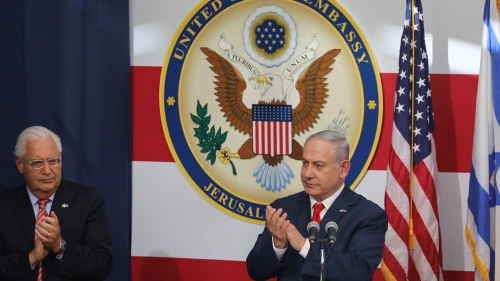
From triumph to tragedy, 2018 was a busy year for U.S. Jewry. Take a look at what JNS is naming the top five stories of the year.

“There’s no room in American politics for anti-Semitic remarks.”
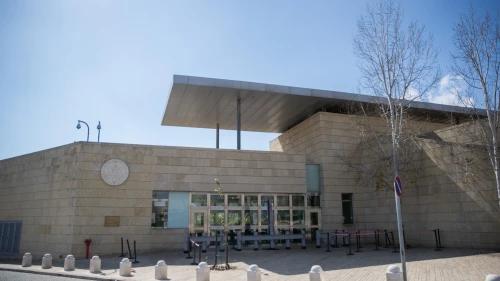
“Essential personnel” will “continue to provide emergency services, as well as routine services to American citizens,” State Department spokesperson Robert Palladino told reporters.

The 85-year-old has survived two previous fights with cancer.

“As the only democracy in the Middle East and our strongest ally in the region, Israel and her security are paramount to our interests at home and abroad.”
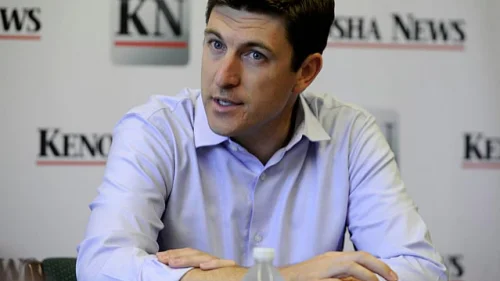
“There’s no place in our society for anti-Semitic language, statements or violence.”
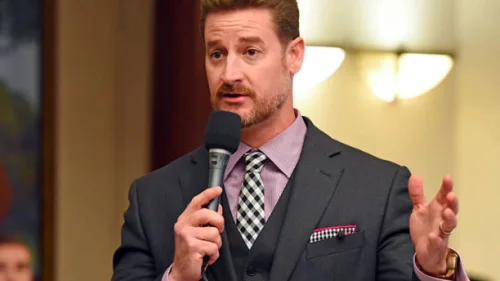
“Hopefully, I can be a conservative voice on the [Foreign Affairs] committee for the relations between the U.S. and Israel.”

The Senate unanimously passed its version in October. The bill now goes to the president to sign it into law.
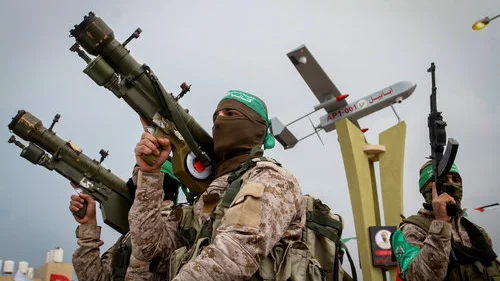
The bill mandates that the president impose sanctions on any entity that “knowingly and materially supports, orders, controls, directs or otherwise engages in” the exercise of human shields by the terrorist organizations Hezbollah and Hamas.
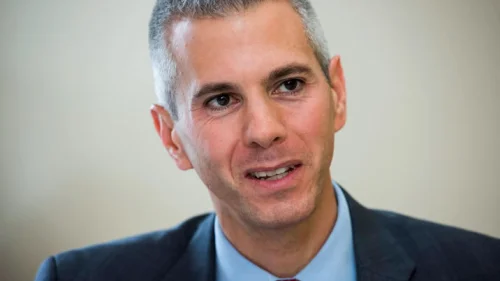
“I’ll do everything I can as a member of Congress to speak out against anti-Semitic activities in the U.S. and throughout the world.”
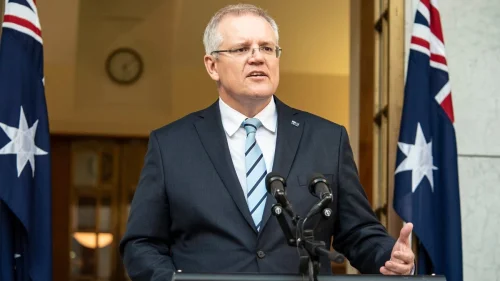
In October, newly appointed Australian Prime Minister Scott Morrison announced that he was open to officially recognizing Jerusalem as Israel’s capital and moving the Australian embassy there from its current location in Tel Aviv.