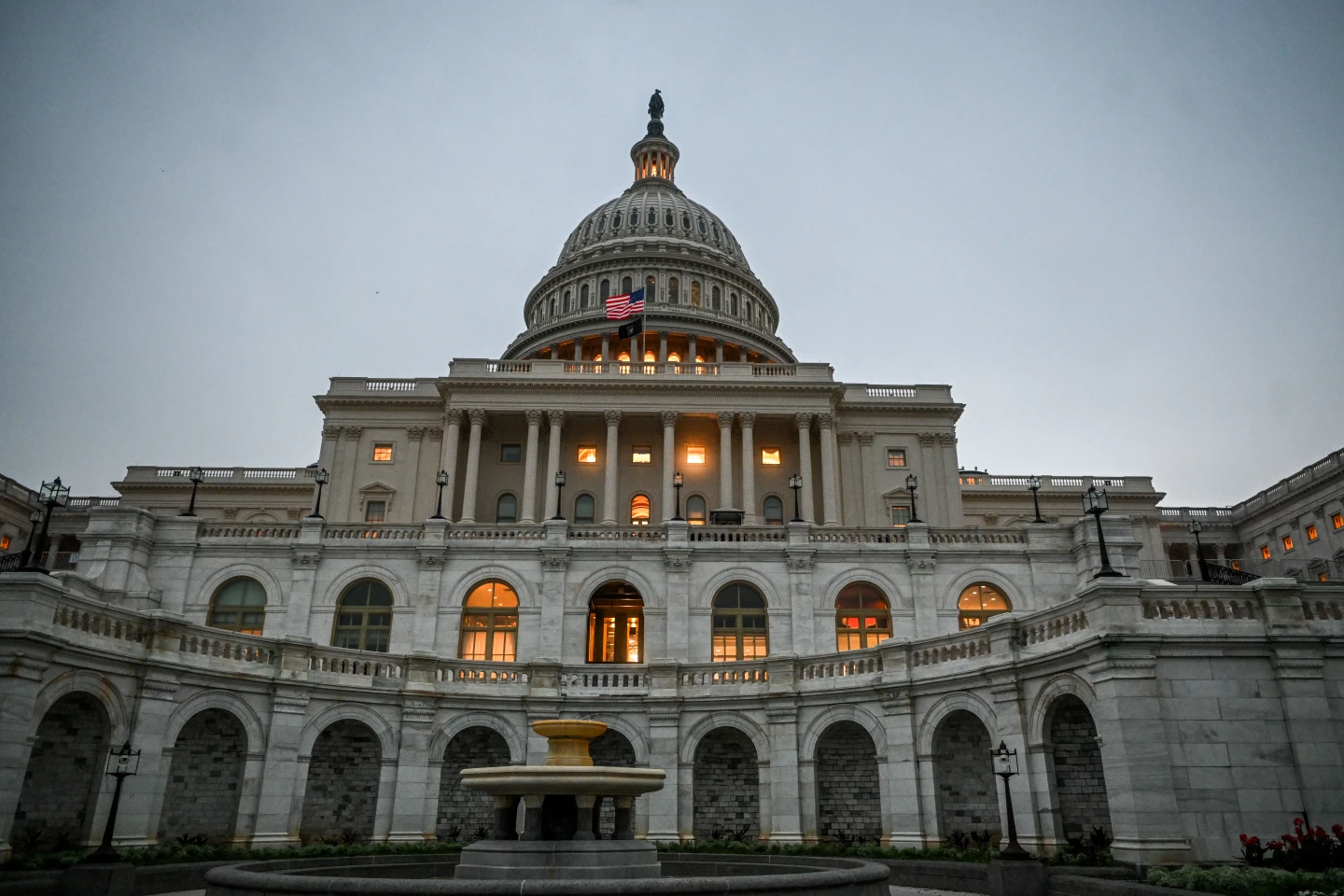
The Australian government is expected to officially recognize Jerusalem or parts of it as Israel’s capital on Tuesday, Australian outlets reported on Tuesday.
According to the local TV station SBS, a national security committee gave the green light for the controversial measure on Monday. The cabinet will reportedly stop short of announcing the relocation of the Australian Embassy to Jerusalem due to the estimated 200 million Australian dollars ($144 million) it would cost but will open a new consular office in the city.
Israel regards Jerusalem as its capital, but most countries believe that the city’s final status should be determined through the peace process between Israelis and the Palestinians, who both seek to have it as their official capital. As a result, the vast majority of embassies in Israel are outside the city.
In December 2017, U.S. President Donald Trump said the United States recognizes Jerusalem as Israel’s capital. In May, the U.S. embassy to Israel relocated to the city, and two days later, Guatemala followed suit. Brazil’s incoming president told Israel Hayom in November that he would recognize Jerusalem as Israel’s capital after taking office in January.
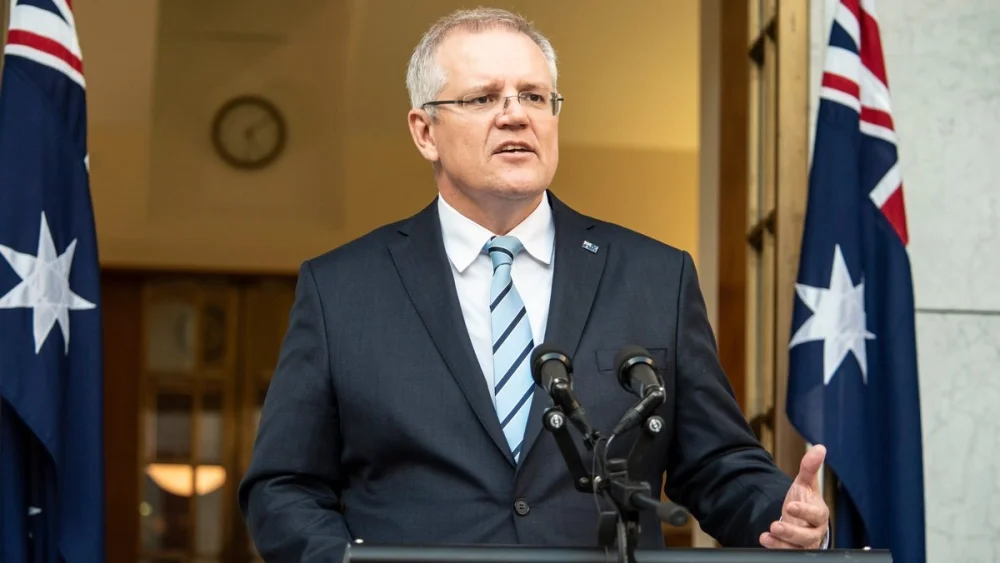
In October, newly appointed Australian Prime Minister Scott Morrison announced that he was open to officially recognizing Jerusalem as Israel’s capital and moving the Australian embassy there from its current location in Tel Aviv.
“When sensible suggestions are put forward that are consistent with your policy positioning, and in this case, pursuing a two-state solution, Australia should be open-minded to this, and I am open-minded to this and our government is open-minded to this,” he said. He added that Australia was still committed to a two-state solution to the Israel-Palestinian conflict.
Morrison, who became prime minister after the Liberal Party deposed its leader in August, is pro-Israel and an evangelical Christian.
His stance may have been designed to woo the large Jewish population in Sydney suburb of Wentworth ahead of the critical by-election in October. But the Liberal Party’s candidate, former Australian Ambassador to Israel Dave Sharma, ultimately lost.
In October, former Prime Minister Malcolm Turnbull was told by Indonesian President Joko Widodo that the latter had “serious concerns” about any move to Jerusalem. “There is no question, were that move to occur, it would be met with a very negative reaction in Indonesia. This is after all the largest Muslim-majority country in the world,” Turnbull told reporters following the meeting.
Palestinians have also been outraged by the new government’s approach. The Palestinian Ambassador in Canberra Izzat Salah Abdulhadi recently said that moving the embassy to Jerusalem “would hurt Australia’s international standing and its relations with Arab and Muslim countries.”