From triumph to tragedy, 2018 was a busy year for American Jewry. Take a look at what JNS is naming the top five stories of the year.
1. Pittsburgh synagogue massacre
In the deadliest attack in American Jewish history, 11 worshippers were shot and killed during Shabbat-morning services on Oct. 27 at the Tree of Life*Or L’Simcha Synagogue.
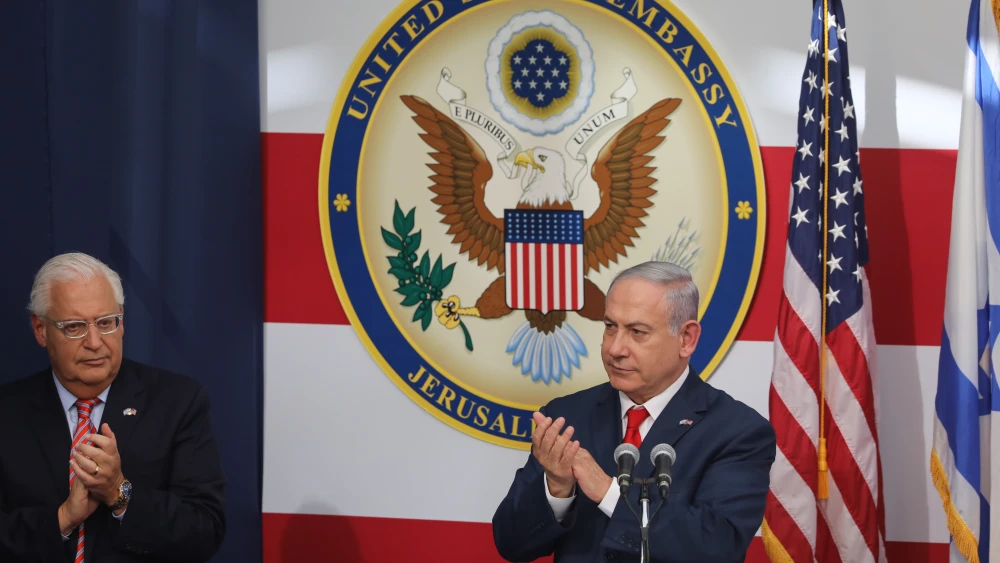
2. United States moves its embassy in Israel to Jerusalem
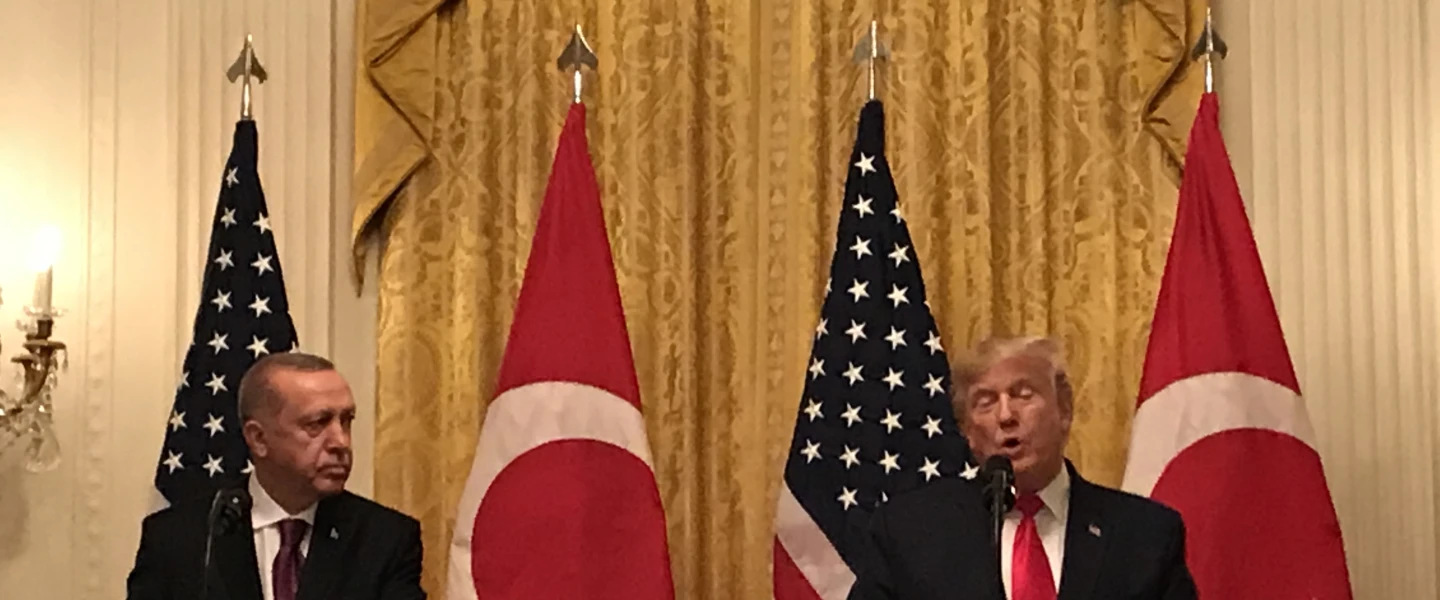
Until May 2018, previous administrations promised to move the U.S. embassy in Israel from Tel Aviv to Jerusalem, but failed to follow through. After signing a waiver in June 2017, delaying the move for six months, U.S. President Donald Trump recognized Jerusalem as Israel’s capital in December 2017, followed by relocating the embassy there five months later.
3. America withdraws from the 2015 Iran deal
Despite pressure from world leaders and even some members of his own cabinet, Trump announced in May 2018 that the United States would withdraw from the 2015 nuclear deal with Iran. The United States soon reimposed sanctions in August and November that had been lifted under the accord.
4. Anti-Israel Democrats elected to Congress
The 2018 midterms saw a trend of very left-leaning Democrats with anti-Israel sentiment rising to fame: Alexandria Ocasio-Cortez of New York, Rashida Tlaib of Michigan and Ilhan Omar of Minnesota.
Two other known anti-Israel Democrats lost: Pennsylvania’s Scott Wallace, who reportedly led a charitable foundation that donated to pro-BDS groups, and Virginia’s Leslie Cockburn, who“galvanized the pro-Israel community to raise around $1 million for the [Denver] Riggleman campaign,” a source in the pro-Israel community previously told JNS. Cockburn raised some $2.7 million, while her Republican opponent fundraised a little more than $1.4 million overall.
5. Anti-Semitic incidents spike on college campuses
From Tufts University offering a course titled “Colonizing Palestine” to University of Michigan instructors refusing to write letters of recommendation for Jewish students to attend study-abroad programs in Israel to swastikas found on campus in the aftermath of the Pittsburgh synagogue shooting, this year has exemplified an alarming uptick in campus anti-Semitism, anti-Zionism and anti-Israel bias.
According to a comprehensive AMCHA Initiative study, Israel-related incidents have been more likely to contribute to a hostile environment for Jewish students than incidents of classic anti-Semitism. It mentioned that in the first half of 2018, there were only 39, compared to 86 in the first half of 2017.