Newsletter
Newsletter Support JNS

Adolf Hitler (no, not that Hitler) likely to win re-election in Namibia

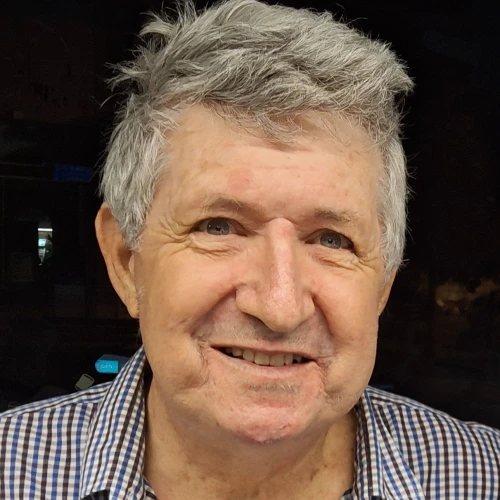
Adolf Hitler Uunona says his father “probably didn’t understand” what the Nazi leader stood for when he chose his name.

Namibia
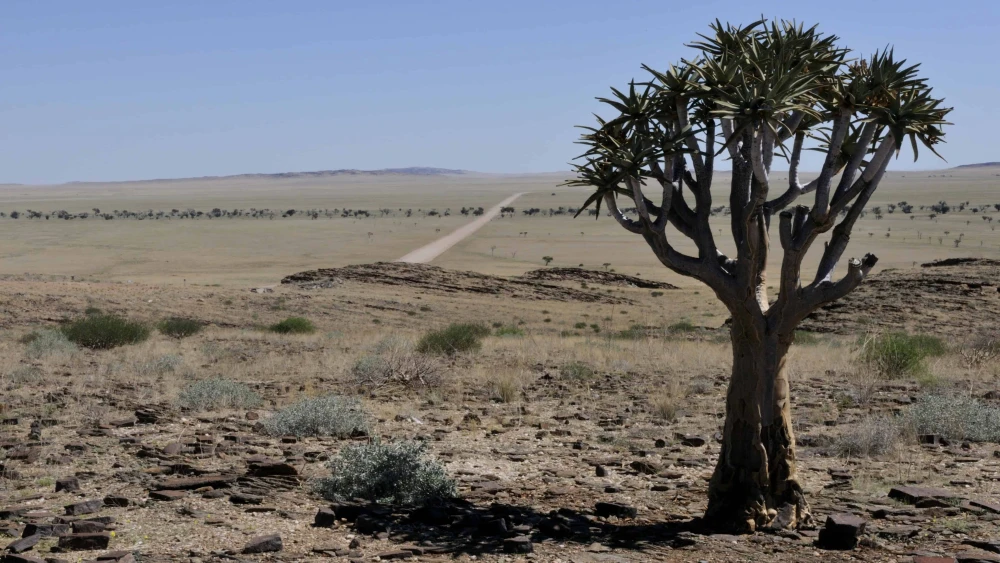
Namibia, primarily a large desert and a semi-desert plateau, in 2012. Credit: Hans Stieglitz via Wikimedia Commons

A Namibian politician named Adolf Hitler Uunona is on track to win re-election this week for his second term as a regional councillor in northern Namibia, where he previously won his Ompundja constituency with 85% of the vote in 2020. The new election is set for Nov. 26.

Uunona’s unusual name has drawn international attention, particularly when he first won his seat. Speaking to local outlet The Namibian at the time, he said that the name bears no connection to the ideology or actions of the Nazi leader.

“It does not mean I have Adolf Hitler’s character,” he said, stressing that he rejects everything associated with Adolf Hitler.

Reactions on social media range from comedic to antisemitic. “Adolf has changed since WWII,” one X user replied to the story. “Man, my hopes were so high for a second,” wrote another.

German influence on personal names in Namibia traces back to when the territory known then as German South West Africa was under imperial rule from 1884 to 1915. Remnants of German cultural presence persisted long after World War II, with some German-Namibian communities retaining customs by settlers, including by Nazis who fled arrest after the war.

Uunona, a member of the left-wing South West Africa People’s Organization party, told the German news outlet Bild that his father “probably didn’t understand what Adolf Hitler stood for” and that he wouldn’t change his name.

“It’s in all official documents,” he said. “It’s too late for that.”

“A museum that purports to tell stories about history does not get to change history,” Mark Berlin stated.
“Our farmers are very happy,” the U.S. president told reporters at the White House.
Seattle Parks and Recreation said the Fedayeen Football League did not obtain required permits for matches at Cal Anderson Park and Green Lake Park, adding that the department does not review event marketing materials submitted by permit applicants.
“Assigning collective blame to Jews or perceived supporters of Israel over disagreements with Middle East policies is the very definition of antisemitism,” said Mark Treyger of JCRC-NY.
Speaking at the JNS International Policy Summit in Jerusalem, Glick described information warfare as the “eighth front” facing Israel and warned that antisemitic content is increasingly amplified online for political and financial gain.
“What started a little more than 30 years ago as basic relations of seller and buyer has evolved dramatically to the highest level,” said former Israeli Ambassador to India Ron Malka.
Benny Gantz, JNS editor-in-chief Jonathan S. Tobin, Gilad Erdan, Mosab Hassan Yousef, Nissim Black and leading voices in security, diplomacy, media, law and Jewish communal affairs headline the summit’s third day in Jerusalem.