Newsletter
Newsletter Support JNS

House passes bipartisan bill to elevate status of US envoy on anti-Semitism

If enacted, it would upgrade the position at the U.S. State Department to an ambassadorship.

The U.S. Capitol building. Credit: Martin Falbisoner via Wikimedia Commons.

A bipartisan bill to elevate the status of the U.S. envoy on anti-Semitism passed in the U.S. House of Representatives on Dec. 31—one of the last bills to pass the 116th Congress.

The Special Envoy to Monitor and Combat Anti-Semitism Act now awaits U.S. President Donald Trump’s signature into law.

If enacted, it would upgrade the status of the special envoy for monitoring and combating anti-Semitism, a position at the U.S. State Department, to an ambassadorship, thereby requiring U.S. Senate confirmation.

The president would be required to fill the position within 90 days.

Having been vacant at the start of the Trump administration, the special envoy was designated in February 2019 with the appointment of Iraq war veteran and attorney Elan Carr.

“This political environment could discourage congressional committee staff and federal agency personnel from pursuing investigations or enforcement actions involving antisemitism,” Karen Paikin Barall of the Brandeis Center told JNS.
The Nachala Movement says 1,500 families are waiting to move into the Strip, as supporters call for the renewal of communities dismantled in 2005.
Q&A
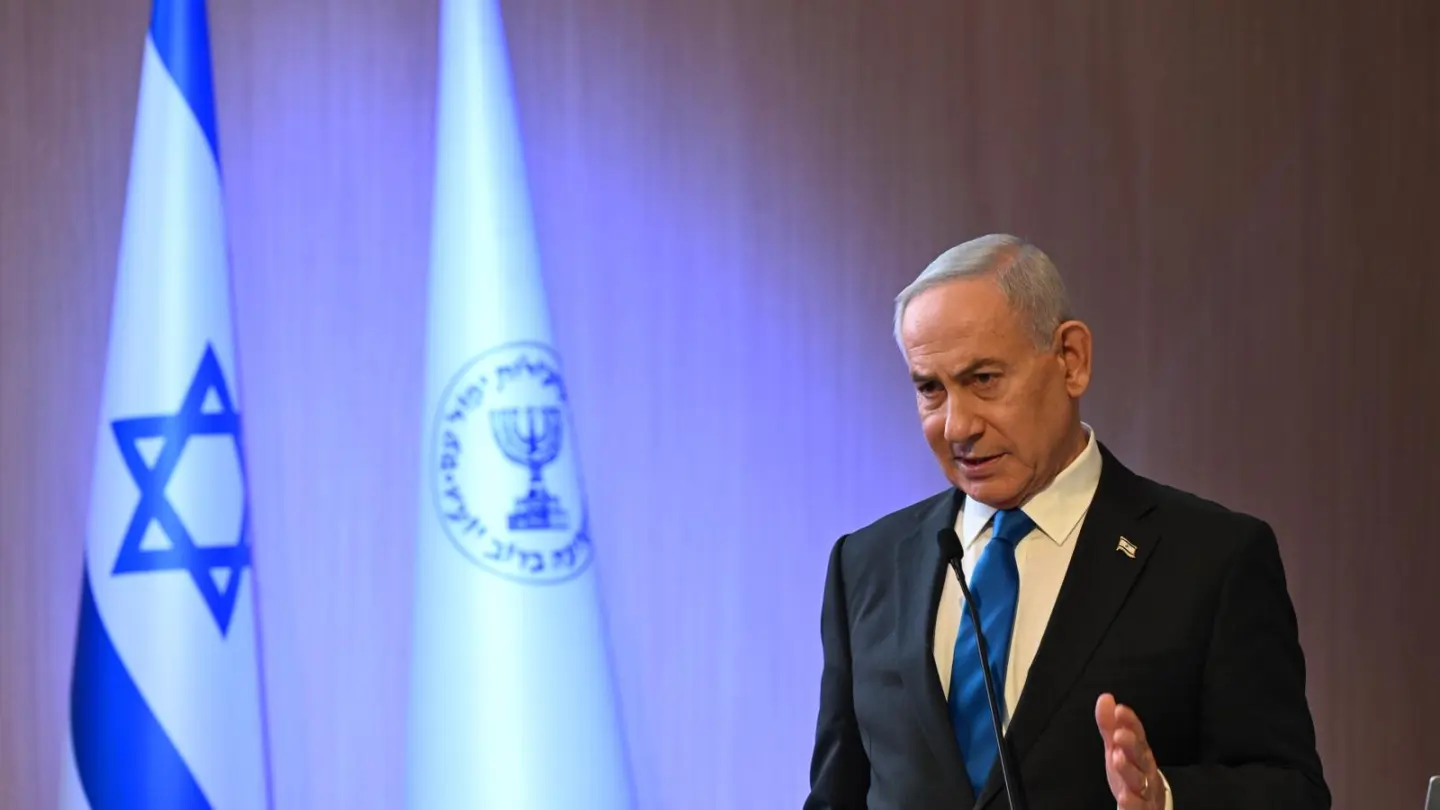
In a wide-ranging pre-election interview with JNS, Israeli Prime Minister Benjamin Netanyahu discusses his alliance with U.S. President Donald Trump; the necessity to act against Iran; expand the Abraham Accords; tackle domestic challenges, including reintroducing judicial reforms; and further strengthening the Israeli economy.
“There is not, and there will not be, a Palestinian state,” the Israeli prime minister pledged. He also called for the corruption trial against him to be dropped.