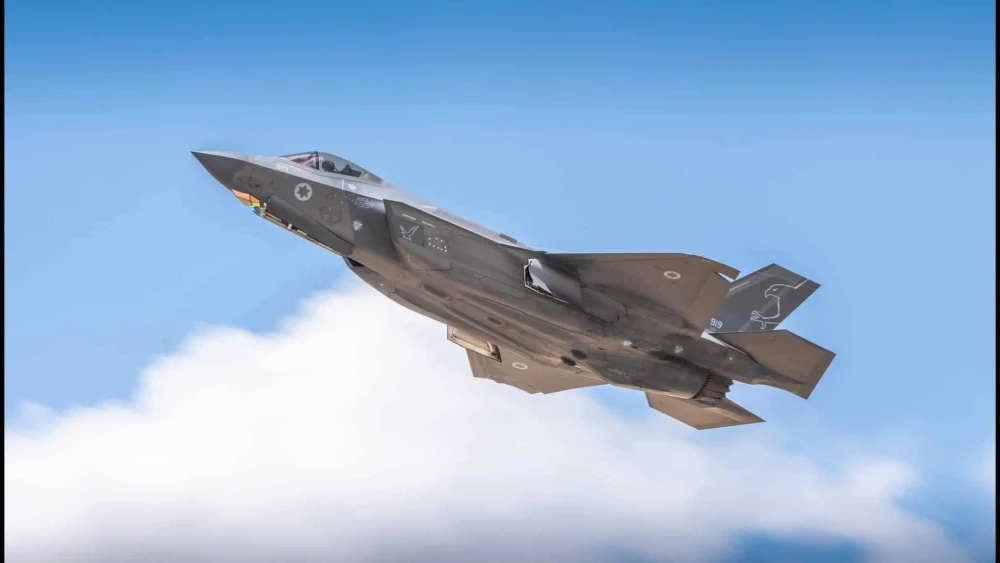
The United States and Turkey are engaged in discussions about Ankara’s potential return to the F-35 fighter jet program, U.S. Ambassador to Turkey Tom Barrack said Tuesday.
Turkey must no longer operate or possess the Russian-made S-400 air defense system—per conditions set out in U.S. law—to rejoin the program, Barrack said in a social media post.
The United States is in ongoing discussions with Türkiye regarding their desire to rejoin the F-35 program and their possession of the Russian-made S-400 air defense system. As laid out in U.S. law, Turkiye must no longer operate nor possess the S-400 system to return to the F-35…
— Ambassador Tom Barrack (@USAMBTurkiye) December 9, 2025
The ambassador described ongoing talks as “the most fruitful conversations we have had on this topic in nearly a decade,” crediting improved relations between President Donald Trump and Turkish President Recep Tayyip Erdoğan.
The U.S. expelled Turkey from the F-35 program in 2019 after Ankara acquired the S-400 system, which Washington said posed a security risk to the advanced fighter jets.
Barrack expressed hope the negotiations would produce “a breakthrough in the coming months that meets both the security requirements of the United States and Turkey.”
Jerusalem opposes F-35 sales to Turkey, whose government openly supports Hamas and has grown increasingly hostile since the Oct. 7, 2023, massacre. Israel has also voiced formal concerns over reported U.S. plans to sell the stealth fighters to Saudi Arabia, warning of risks to its regional air superiority, though some officials have signaled conditional acceptance tied to normalization.
Currently, the Israel Defense Forces is the only military in the Middle East to operate the F-35. While Israel approved the U.S. sale of 50 F-35s to the UAE—subject to several security guarantees—the deal never materialized due to the Biden administration’s restrictions on the jets’ use.