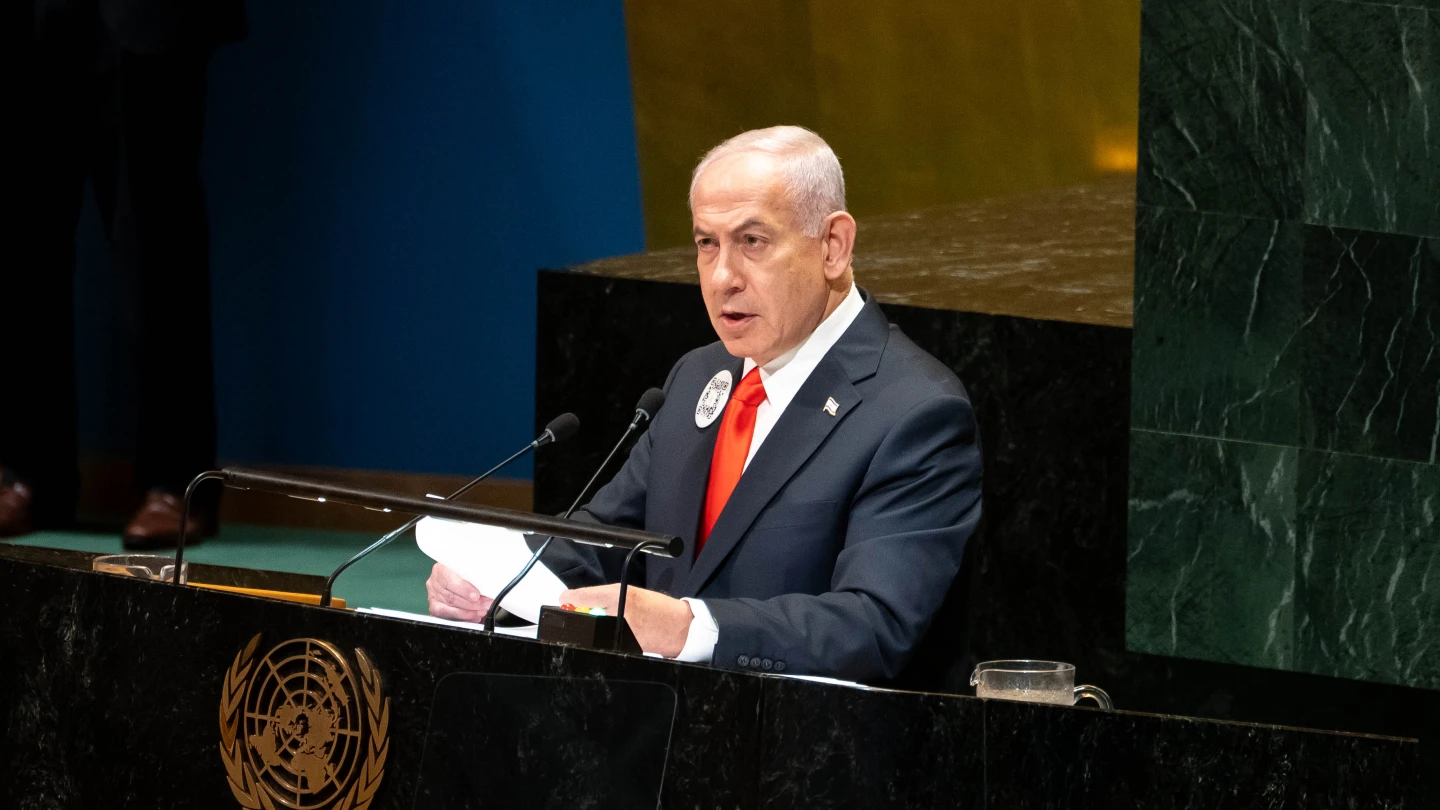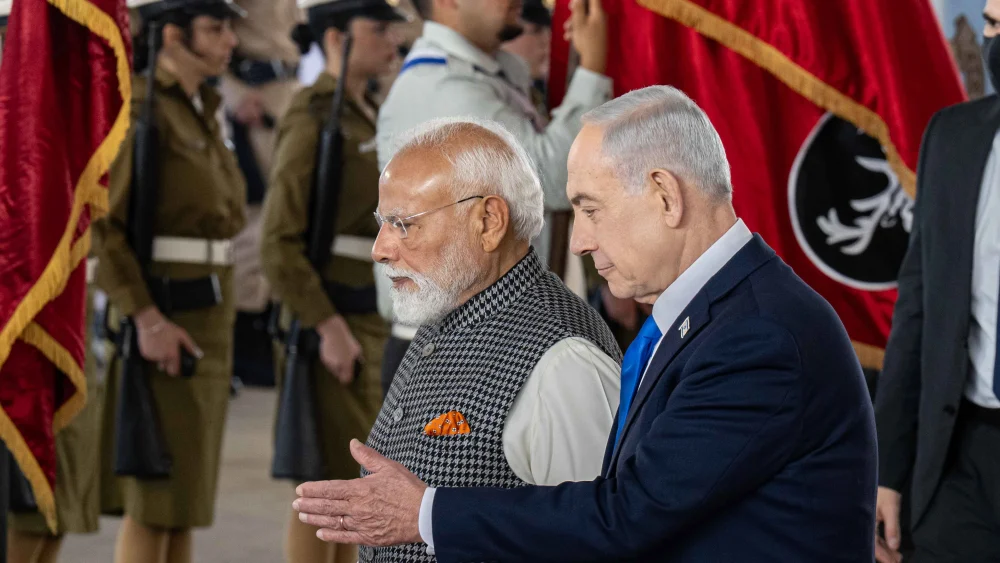

This week’s visit by Indian Prime Minister Narendra Modi is a milestone in the deepening strategic partnership between Israel and India. Modi’s two-day state visit to Israel on February 25-26 marks his second trip to the country in nine years, following his groundbreaking 2017 visit, the first by an Indian prime minister.
Israeli Prime Minister Benjamin Netanyahu, posting on X ahead of the visit, emphasized the strength of the relationship, writing: “The bond between Israel and India is a powerful alliance between two global leaders. We are partners in innovation, security, and a shared strategic vision. Together, we are building an axis of nations committed to stability and progress.”
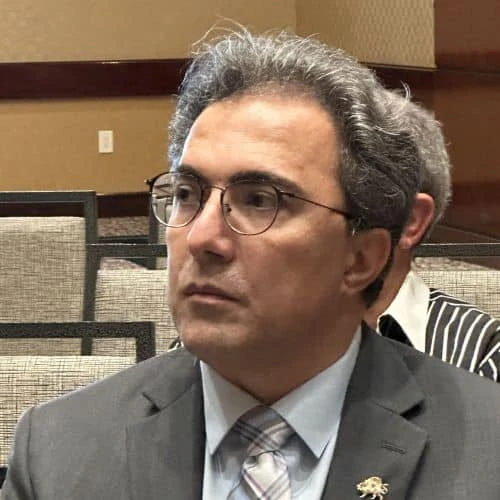
Oshrit Birvadker, a senior foreign and defense policy expert, Director of the South and East Asia Center at the Jerusalem Institute for Strategy and Security (JISS), and CEO of Indivade, views the visit as a demonstration of a relationship strengthened during wartime.
“This visit is an expression of a relationship that grew stronger during the war,” Birvadker told JNS. “It is a display of strength for an alliance that has effectively intensified throughout the war.”
She noted transformations on both sides since 2017: India has emerged as a “New India” under Modi, implementing major reforms and becoming a globally courted power, while Israel, still processing post-Oct. 7 trauma, has learned who its true allies are, fostering greater appreciation for ties with New Delhi.
And there are substantial mutual benefits.
The relationship between the two countries has grown significantly amid recent global and regional challenges. Since Oct. 7, 2023, and through ongoing conflicts, India has provided Israel with labor (over 20,000 Indian workers replacing Palestinian laborers since the Gaza war began), weapons and diplomatic support. India remains the world’s largest purchaser of Israeli defense equipment, including drones, missile systems, sensors, surveillance technology and border-control systems.
“In a changing world, where the old order is crumbling, it is crucial to forge and deepen new partnerships,” Birvadker told JNS.
She said that India offers a massive market of over a billion people, while Israel provides cutting-edge military, agricultural and water-management technologies. Both nations share concerns over radical Islam and terrorism, and India stands out as a country with no history of antisemitism toward Jews.
“After Oct. 7, Israel understands it needs alliances with reliable powers to balance its dependencies, and India fits perfectly into that category,” she said. “Indeed, we are seeing significant growth in Indian demands from Israeli defense companies, especially following ‘Operation Sindoor’ in May 2025,” she added, referring to the brief armed conflict between India and Pakistan that began on May 7, 2025.
Netanyahu has framed the partnership within a broader geopolitical vision.
Speaking to his Cabinet this week, he outlined plans for a “hexagon of alliances,” a proposed network of like-minded nations countering what he termed “radical axes,” including the “radical Shi’ite axis” [Hezbollah and Hamas] and an “emerging radical Sunni axis” [including Saudi Arabia, Turkey, Egypt, Qatar and Pakistan].
Core members of this new alliance would include Israel, India, Greece, and Cyprus, alongside other unnamed Arab, African and Asian states. Netanyahu highlighted potential collaboration in infrastructure development in Israel’s Negev region as part of this framework.
Lauren Dagan Amoss, an expert on Indian foreign policy and India-Israel relations at Bar-Ilan University’s Begin-Sadat Center for Strategic Studies, emphasized that the relationship has become institutionalized beyond personal leader chemistry.
“The more important question is whether the two countries are building additional strategic depth that will allow the relationship to remain stable even under complex regional conditions,” Dagan Amoss told JNS.
Since 2017, ties between Israel and India have evolved from exceptional diplomacy to systematic cooperation in security, technology, economics, and institutions. Defense cooperation now extends to industrial collaboration and joint development.
Dagan Amoss also highlighted the importance of regional initiatives such as the India-Middle East-Europe Economic Corridor (IMEC), noting that its success “will ultimately be judged not by political announcements but by real-world implementation.”
“For India, key concerns will include regulatory frameworks, infrastructure security, technical standards and risk management,” she told JNS.
According to officials, Modi’s visit is poised to usher in “a new phase” in bilateral relations, with discussions centered on advanced technology, trade, strategic cooperation, artificial intelligence and quantum computing. Modi is expected to address Israel’s Knesset, a first for an Indian leader, visit Yad Vashem and participate in events highlighting innovation and hi-tech collaboration. A key theme will be leveraging India’s vast market scale alongside Israel’s renowned innovation ecosystem.
The visit is also likely to influence India’s ties with other regional players, such as Iran, particularly after New Delhi halted Iranian oil imports and recently seized three oil tankers suspected of links to Iran’s sanctioned oil trade.
As Modi and Netanyahu meet amid shifting geopolitics, including current tensions in Iran, the visit underscores a maturing partnership built on shared interests in innovation, security, and countering extremism. The proposed “hexagon of alliances” signals Israel’s ambition to expand this model regionally, with India as a pivotal partner in fostering stability and progress.
Whether stronger ties with India will help push back against radical Sunni and Shiite influences remains to be seen but Birvadker believes stronger India-Israel ties can help balance global influences against radical forces. According to Birvadker, “at the end of the day, a partnership between a global power like India and Israeli technology is a definitive factor in balancing the world.”