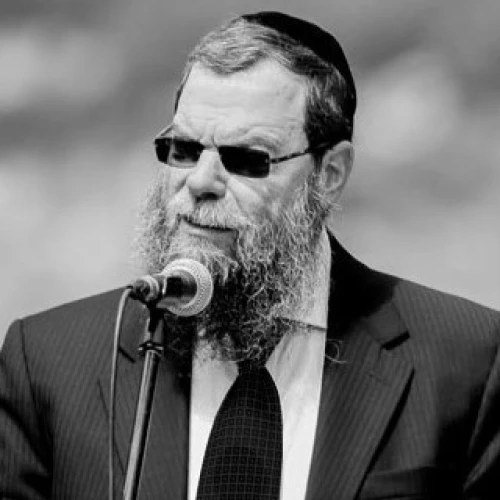
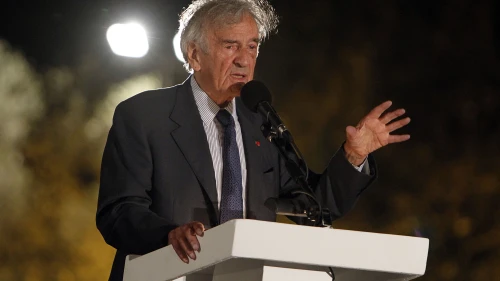
Elie Wiesel

“My father dreamed of Jerusalem as a child,” said Elisha Wiesel, “but I don’t think he ever imagined that he would walk those streets one day in a reborn State of Israel.”
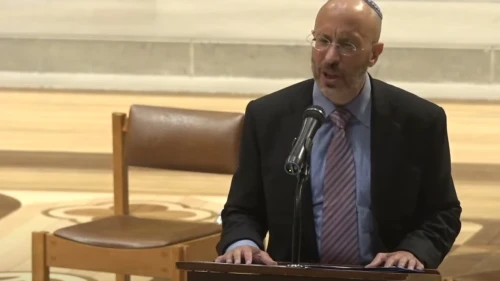
“We can’t cede the progressive territory. Those of us who believe in these very important causes need to continue standing up for them and do so as Zionists. We don’t need to hit them over the head with it, but people need to understand that we’re not going to be excluded from any part of the political sphere where we feel we want to operate,” says Elisha Wiesel.

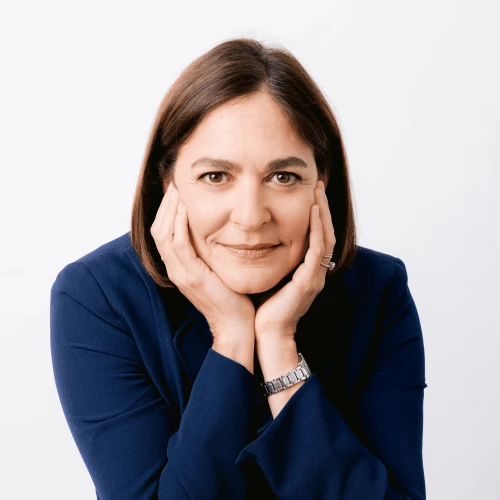
The centers are a key highlight of Marion Wiesel’s more than six decades of social and racial justice work.
“My father was very clear: Every time someone asked what he aspired to be, he said, ‘A good Jew,’ ” said Elisha Wiesel.

The Elie Wiesel Genocide and Atrocities Prevention Act makes the prevention of genocide and other crimes a matter of national security, and aims to improve and increase the U.S. response to potential and emerging genocides.

Once signed into law by U.S. President Donald Trump, the bill will make it policy “to regard the prevention of genocide and other atrocities as in its national security interests.”
A new book by Wiesel’s longtime assistant (and good friend) Ariel Burger was born of a 25-year bond between student and teacher.