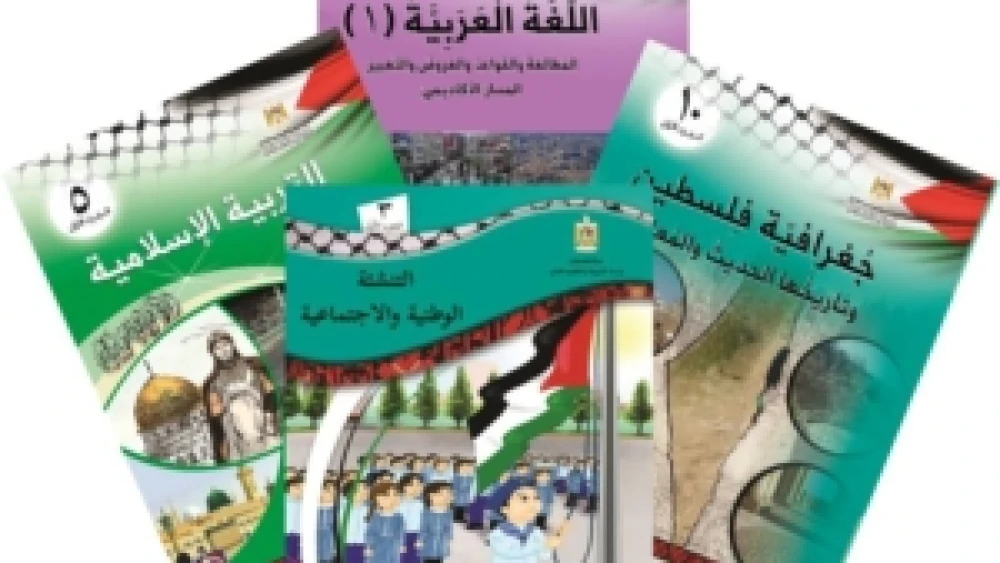
For the seventh consecutive year, the European Parliament on Wednesday passed resolutions calling for future Palestinian Authority funding to be conditioned on the removal of antisemitic incitement in their textbooks, according to an educational watchdog group.
The latest resolutions note that P.A. textbooks continue to include “antisemitic content, incitement to violence and the glorification of martyrdom and jihad,” and that Palestinian pledges to reform the curriculum as part of a 2024 agreement with the E.U. have not taken place, the UK-based IMPACT-se research organization said.
Over the years, the E.U.’s executive body, the European Commission, has never imposed a funding freeze despite the repeated resolutions passed by the European Parliament in Brussels.
“Year after year, the European Parliament has sent a consistent message to the Commission—that there is no excuse for a curriculum that indoctrinates the next generation with hatred and a jihadist death wish,” IMPACT-se CEO Marcus Sheff told JNS. “But now more than ever, the Commission must take action. Failure to act and impose real financial and diplomatic consequences is a recipe for a Palestinian future of extremism and violence.”
“Unfortunately, I don’t see any concrete actions from the European Commission as they naively see the P.A. as their reliable partners and are reluctant to put too much pressure on them,” said Dutch MEP Bert-Jan Ruissen who has been a longtime advocate of financial sanctions on the Ramallah-based Palestinian Authority over textbook incitement.