When Yael Cohen’s three-year-old son was diagnosed with a speech delay, the wait for public services was months long; far too long, she was told by pediatric specialists. Cohen turned to private speech therapy, paying hundreds of shekels out of pocket and submitting reimbursement claims through her health fund.
“I knew this care was supposed to be guaranteed under the national health system,” Cohen said. “But in reality, if you didn’t have the money up front, you just waited.”
That reality is set to change—officially.
The Israeli Ministry of Health recently unveiled a plan to strengthen and expand child development services so that care defined in the National Health Insurance Law (NHIL) benefits basket can be delivered primarily within the public sector, rather than through private practitioners reimbursed by health funds. This reflects a major structural shift in how developmental therapies are provided.
Under the reform, which the ministry says will be implemented gradually beginning on Feb. 1, 2026, services such as speech therapy, occupational therapy, physiotherapy and other para-medical developmental treatments will be delivered through public channels, and the private reimbursement mechanism will be phased out by 2030.
A reform rooted in equity
Health Ministry officials say the reform stems from longstanding concerns that the reliance on private reimbursement had deepened inequalities. By bringing services definitively into the public domain, the ministry aims to ensure quality, equitable and accessible care for the entire population—a core commitment of Israel’s national health law.
Until now, many families have turned to private therapy due to long public waiting lists, only later seeking partial reimbursement from their health funds. This system has left parents bearing high out-of-pocket costs, while still facing delays in publicly funded care.
Today, many parents pay at least 350 shekels (almost $110) per session for private child development therapy and receive only about 200 shekels in reimbursement from their health fund.
The goal is for most treatments to be provided through the health funds, with a co-payment capped at 36 shekels (just over $11) per session.
The plan, according to the Health Ministry, aims to “reduce gaps and ensure that every child—regardless of location or socioeconomic background—receives the professional care they need.”
It also “strengthens the model of delivering services under one roof within the public system and reinforces the presence of a single coordinating body for each child’s care.”
Why the change?
Officials argue that the reimbursement mechanism, originally designed to help children access care when public wait lists were long, has not had the required long-term effects.
Left unchecked, officials say, the current system has increased economic barriers and discouraged therapists from joining the public system, contributing to workforce shortages.
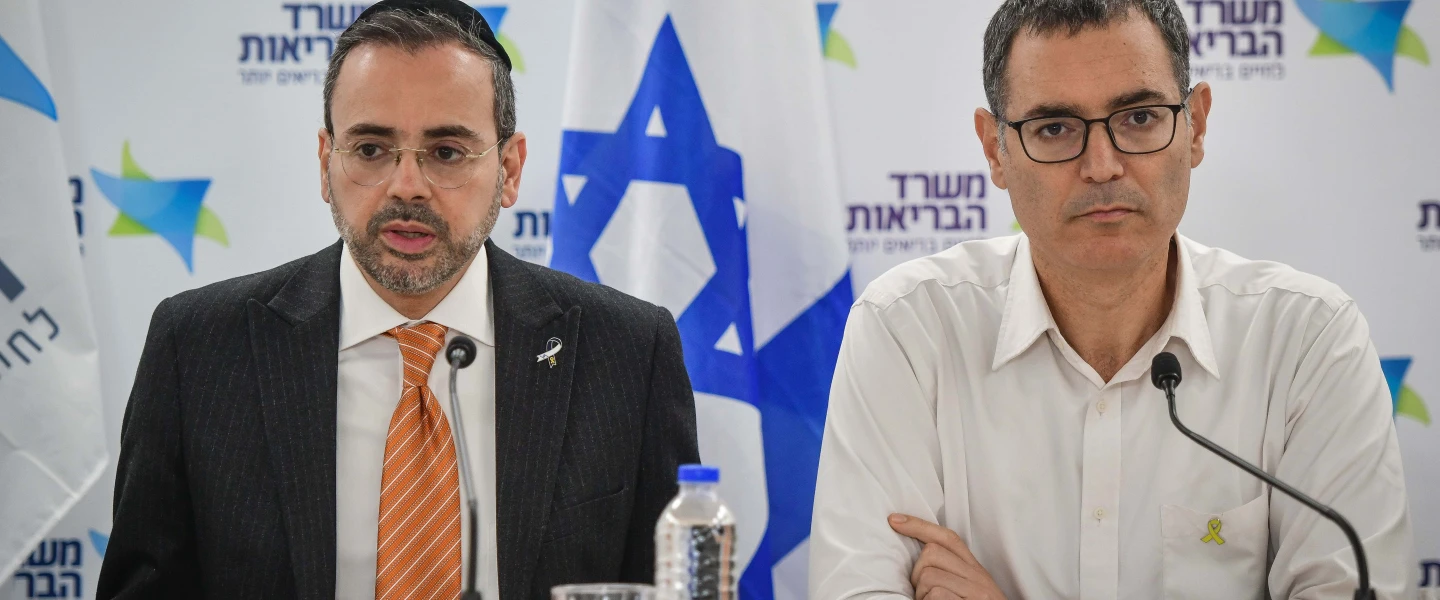
“This process is especially important at a time when many families need accessible, high-quality services more than ever,” noted the director-general of the Health Ministry, Moshe Bar Siman Tov.
However, the reform has drawn mixed reactions from families and professionals.
When it was first introduced a year ago, over 11,000 objections were submitted—mainly by parents of children who are being treated in the private sector.
As a result, adjustments were made in the original plan such as delayed implementation, staged rollouts and exemptions for certain complex cases or geographically underserved communities.
The primary concern is the potential lengthening of waiting times and reduced access to care. In data published by the ministry last year, the average waiting time to access services could reach up to eight months in the public sector.
To strengthen and expand the number of service providers in the public system, agreements were signed to improve salaries and provide financial incentives for those willing to increase their workload in the public system.
The ministry has also introduced minimum work requirements in the public system, under which a provider must work in the public sector for four years at 50% position before being eligible to deliver reimbursed services in the private sector.
No changes will be made for existing patients in the system until 2030, while the reform—in its initial stages—will apply only to new patients who are not autistic and do not have complex needs.
Certain remote peripheral regions, such as the Golan Heights and the Negev, which already suffer from severe therapist shortages, will be exempt from the reform until August 2026.
The Ministry of Health stated that progression to each subsequent phase of the reform will be contingent on data showing no deterioration in waiting times.
Support from Israel’s national health providers
Israel’s major health funds have expressed strong support for the child development reform, emphasizing its potential to expand public services, reduce private spending, and improve equity in access to care.
Dr. Eitan Wertheim of Clalit highlighted preparations, including service expansion, staff recruitment, professional training, and adoption of digital tools to ensure every child receives needed care. Sigal Dadon-Levy of Maccabi described the reform as essential to “correct a market failure” and said Maccabi is opening additional units, strengthening center agreements, and integrating new technologies.
Uzi Beitan of Meuhedet emphasized the importance of expanding access nationwide, particularly in peripheral regions, and training more providers to meet high demand. Haim Fernandes of Leumit added that extensive preparations, such as hiring new providers, improving infrastructure, and reducing wait times, aim to reinforce children’s care within an organized and accessible public system.
Together, these statements suggest strong institutional alignment behind the reform, highlighting the practical steps each HMO is taking to support implementation, manage workforce shortages, and gradually improve service availability for children across Israel.