


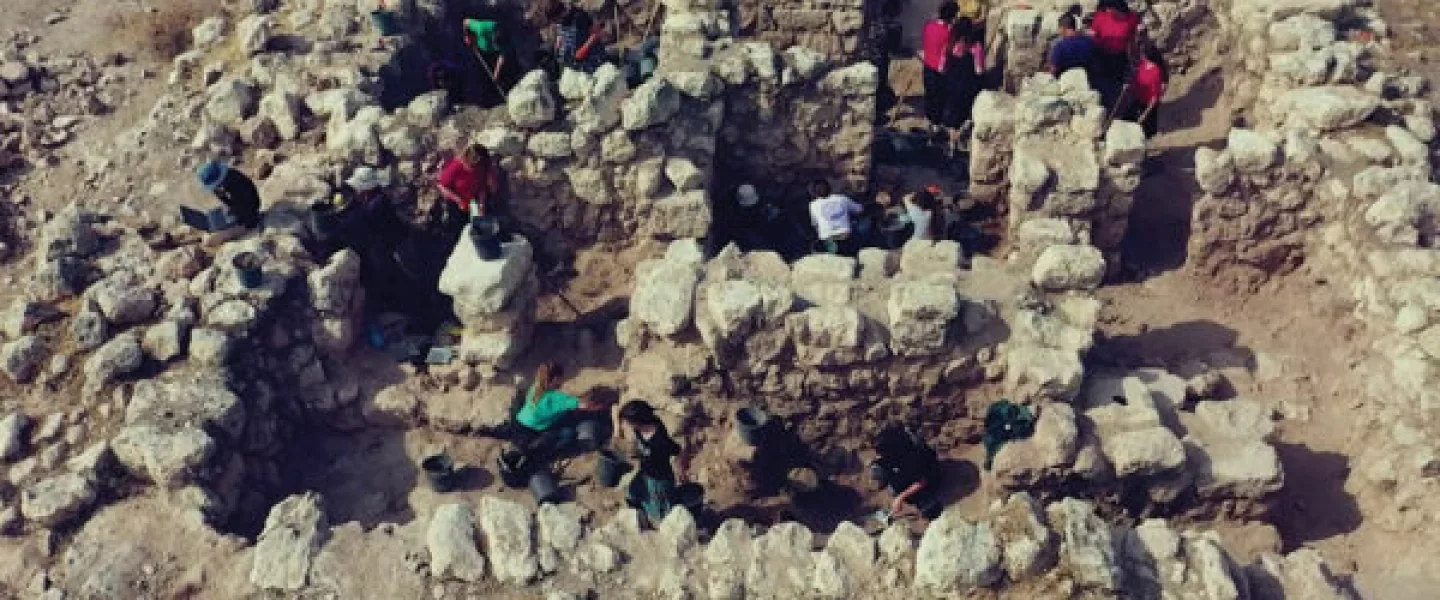
A fortress dating to the Hellenistic Era that the Hasmoneans burned to the ground has been excavated in an Israel Antiquities Authority dig in the Lachish Forest, the IAA announced on Tuesday.
IAA archaeologists explained that the destruction of the building appears to have been related to Yohanan Horkanos the Hasmonean’s journey to take control of the region around the year 112 BCE.
Evidence found at the site, including weapons, burned wooden ceiling beams, dozens of coins and the remains of the Hellenistic-era building itself points to a battle waged between the Hasmoneans and the Seleucids some 2,100 years ago.
Archaeologists Saar Ganor, Vladik Lifshitz and Ahinoam Montagu, who are directing the excavation, noted that the site exposed “illustrates the story of Hanukkah.”
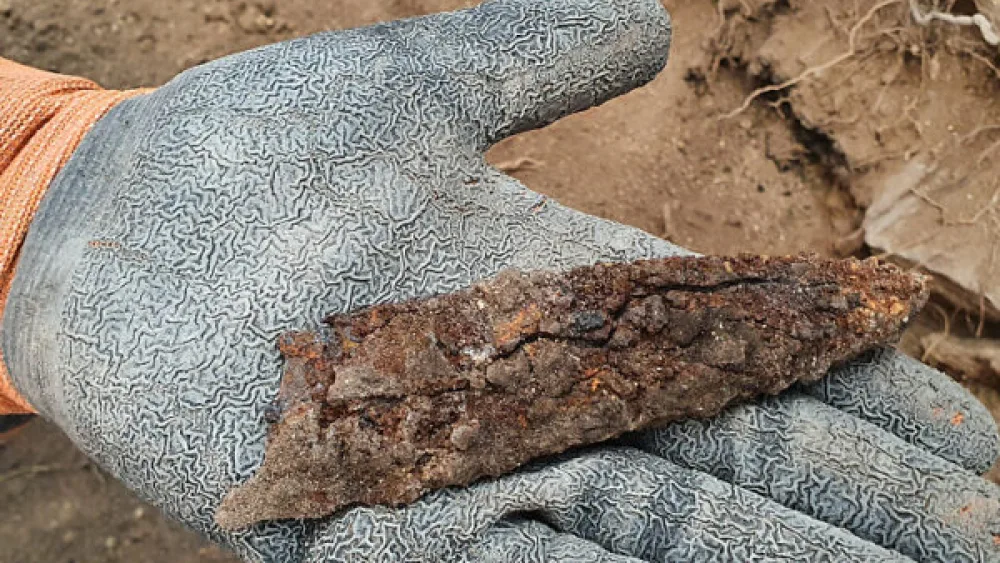
“It looks like we’ve discovered a building that was part of the defenses set up by commanders of the Hellenistic army to defend the large Hellenistic city Maresha from a Hasmonean assault. But, according to the findings in the field, the Seleucid defense was unsuccessful. The building we found had been mostly burned and destroyed by the Hasmoneans,” they said.
The structure uncovered measures 15 meters by 15 meters (49.2 x 49.2 feet) and was well-planned to serve as a fortress. Its outer walls, which are no less than three meters (9.8 feet) deep, were built out of large stones at an angle, designed to keep invaders from climbing it.
The inner part of the fortress was divided into seven rooms, the partitions of which have been preserved at an unusual height of two meters (6.5 feet). The excavation has also uncovered a staircase that led to a second story, which did not survive. The existence of an additional floor leads archaeologists to believe that the building, when intact, stood some five meters (16.4 feet) high.
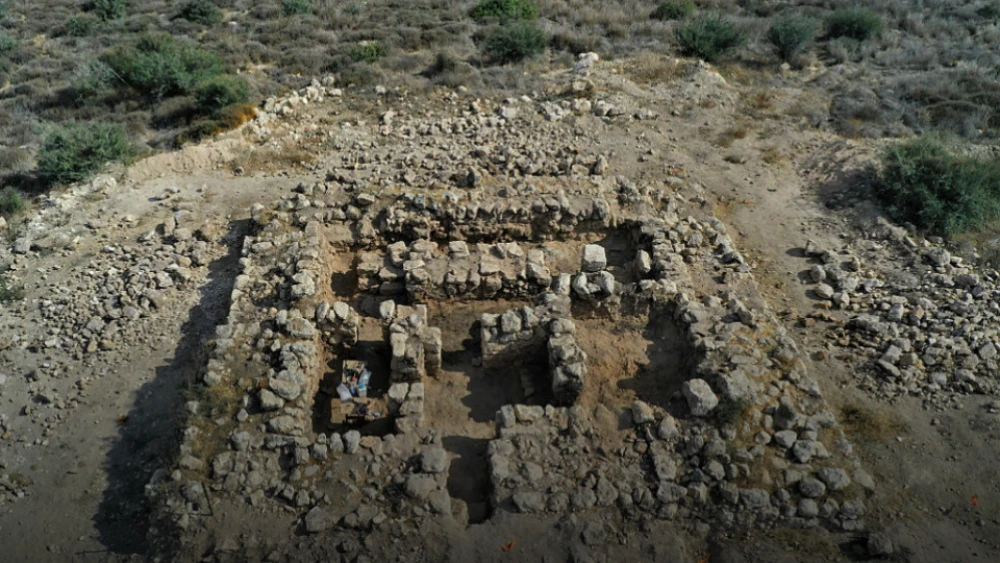
The site at which the fortress was built lies on top of a hill that controlled the main road that led through the Lachish ravine, which in ancient times connected the coastal plain to the central ridge of hills in the land of Israel. The structure offers a view of Maresha, which was once the capital of Edom in the Hellenistic Period.
The IAA Lachish Forest excavation is part of a joint initiative with the JNF-KKL to build a “Kings of Judea” road. The project, funded by the Jerusalem and Heritage Affairs Ministry, involves volunteer work by Land of Israel Studies and archaeology students, as well as students from schools in Beersheva, Dimona and Nitzan.
Participants in the Asher Ruach Bo pre-military preparatory program for youth at risk from Mitzpe Ramon also helped with the dig, as part of the program’s week dedicated to community service.
The excavation entailed moving thousands of large rocks that had fallen in from the upper part of the structure that had covered up a half-meter (1.6-foot)-deep layer of destroyed remnants from the period.
IAA director-general Eli Escozido said, “The story of the Maccabees is coming to life before our eyes, and that is the magic of the IAA’s work. Archaeologists, through hard labor and effort, breathe life into the pages of the history of the peoples who passed through this land.”
He added that Hanukkah will be celebrated in less than two weeks—a holiday that “centers on the victory of the Hasmoneans over the Hellenists, which then led—for the first time—to the establishment of an independent, sovereign Jewish entity. The Hasmoneans certainly couldn’t have imagined that 2,000 years later, students in the State of Israel would be following in their footsteps. It’s exceptionally exciting.”
This article first appeared in Israel Hayom.


