Newsletter
Newsletter Support JNS

Israel approves Qatar’s drilling in a Lebanese gas field

Israel’s Energy Ministry confirmed that a state-owned Qatari business would join the consortium exploring the gas field.

The floating production rig at Israel's Karish reservoir, 56 miles off the coast. Credit: Energean.
The floating production rig at Israel’s Karish reservoir, 56 miles off the coast. Credit: Energean.

After a maritime border agreement with Beirut last month, Israel on Tuesday gave Qatar permission to take part in drilling for natural gas in the Kana-Sidon field in Lebanon, Israeli media reported.

Israel’s Energy Ministry confirmed that a state-owned Qatari business would join the consortium exploring the gas field.

Given that the two nations do not have diplomatic ties, it is particularly significant that Jerusalem approved the Qatari enterprise. Nonetheless, Doha permitted direct commercial flights from Israel to Qatar for the World Cup, which began on Sunday.

The Gulf state also approved the presence of Israeli officials on the ground and the opening of a temporary office to assist Israelis attending the tournament.

The historic maritime accord, which ended a protracted dispute between Israel and Lebanon, stipulates that Jerusalem has the right to veto the approval of any company engaged in gas exploration from the field. Even though it is primarily located in Lebanese territorial waters, the field crosses Israel’s economic zone.

“This political environment could discourage congressional committee staff and federal agency personnel from pursuing investigations or enforcement actions involving antisemitism,” Karen Paikin Barall of the Brandeis Center told JNS.
The Nachala Movement says 1,500 families are waiting to move into the Strip, as supporters call for the renewal of communities dismantled in 2005.
Q&A
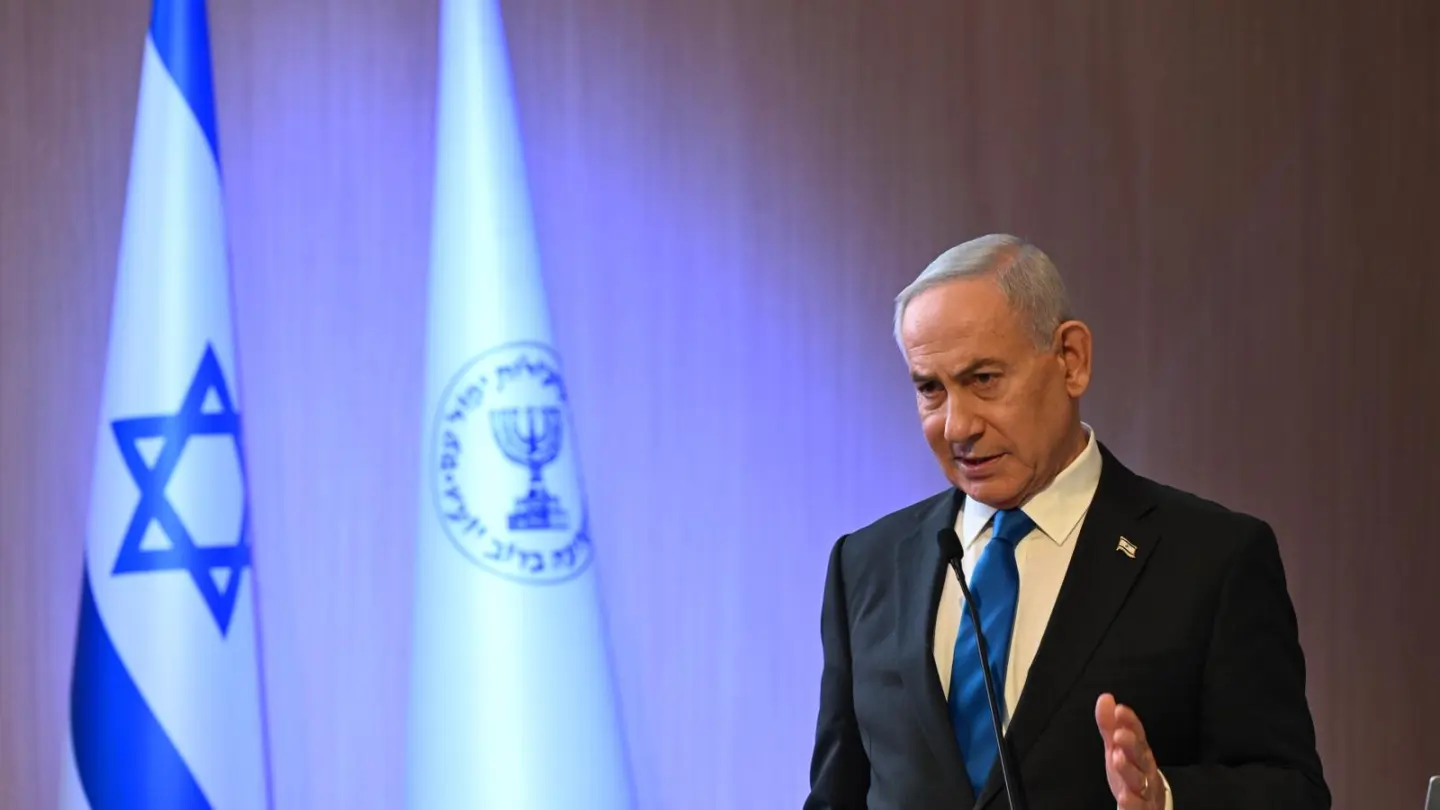
In a wide-ranging pre-election interview with JNS, Israeli Prime Minister Benjamin Netanyahu discusses his alliance with U.S. President Donald Trump; the necessity to act against Iran; expand the Abraham Accords; tackle domestic challenges, including reintroducing judicial reforms; and further strengthening the Israeli economy.
“There is not, and there will not be, a Palestinian state,” the Israeli prime minister pledged. He also called for the corruption trial against him to be dropped.