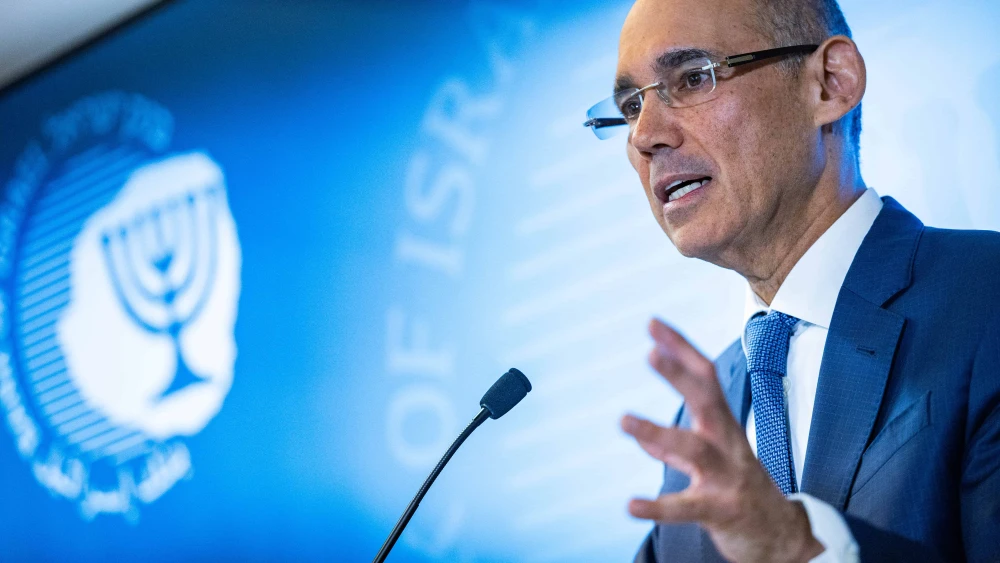
The Bank of Israel lowered its benchmark interest rate by a quarter percentage point to 4.25% on Monday, citing moderating inflation and a sharp rebound in economic activity following war-related disruptions.
The Monetary Committee’s decision reflects stronger economic conditions in the third quarter, when gross domestic product grew at an annualized rate of 12.4%. Recent readings show annual inflation at 2.5%, within the central bank’s target range.
The labor market remains tight, with a high ratio of job vacancies to unemployed workers and rising wages. In contrast, the housing market has cooled, with home prices falling for seven consecutive months through October.
The shekel has gained since the previous rate decision, rising 1.3% against the dollar and 2.9% against the euro. Israel’s risk premium, measured by credit default swap spreads, has fallen to just above pre-war levels.
The central bank said future rate moves will hinge on inflation trends, economic activity, geopolitical uncertainty and fiscal policy. Officials cited several inflation risks, including geopolitical shocks, rising demand amid supply constraints and mounting fiscal pressures.
The government’s budget deficit held steady at 4.9% of GDP over the past 12 months. The Bank of Israel stressed that a 2026 budget aimed at reducing the debt-to-GDP ratio would help sustain market confidence.
The next interest rate decision is set for Jan. 5, 2026.