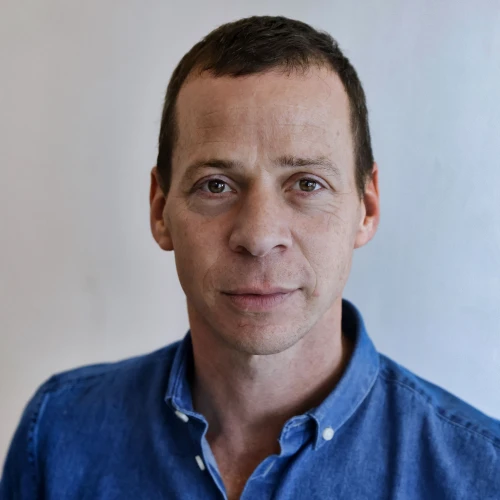
Israeli President Isaac Herzog gave an interview on Monday night to “Piers Morgan Uncensored,” in which he spoke about the trauma the Jewish people had endured since Hamas’s Oct. 7 massacre.
Herzog stressed the Jewish state’s undeniable right to self-defense and recounted the difficulties of fighting against terrorists who cynically hide behind a civilian population.
“We’ve been attacked from schools, from mosques, from shops and people’s living rooms,” explained Herzog. “Yesterday, I tweeted that as our forces walked into a theme park and a playground for children, they found launchers in the ground ready to launch missiles at our children, and I say specifically, if they are ready to launch missiles at our children, we must go and eradicate that site. Same goes for the houses.
“Now, how do we behave according to international humanitarian law? We alert the citizens, we tell them, ‘In your home, there’s a missile launcher, get out of your home, go down to the safe zone in southern Gaza where you’re getting enough humanitarian aid, and we will eradicate that infrastructure of Hamas,’” continued Herzog.
“We sent millions of leaflets, we called and sent text messages and Whatsapps and SMS’s and phone calls by the millions. We told the Gazan people, go south—and in the end, we have to go in and eradicate that infrastructure. Of course, we check ourselves with lawyers and jurists. As much as possible we try not to hurt civilians, and believe me, and I say it out right from the bottom of my heart, we care for every civilian in Gaza. But with all due respect, there comes a moment when you have no other choice, because if we [don’t act] this will recur again, and we’ll go through the same atrocities again. That organization must be eradicated,” added Herzog.
Morgan mentioned anti-Israel protests scheduled to take place in London on Nov. 11—Armistice Day, memorial day in the United Kingdom for fallen members of the armed services—and noted that similar rallies had included calls for jihad and the destruction of Israel.
“It’s atrocious and hypocritical, and I call upon all decent human beings to object to the march and ban it,” replied Herzog.
“This day is a symbol of doing good because when you fight evil, sometimes you have to fight. You have to fight evil in order to uproot evil. We’ve seen terror; we’ve been harassed by terror all our lives. Terror is what stopped the Israeli-Palestinian peace. Terror is what undermines peace,” added the Israeli president.