Newsletter
Newsletter Support JNS

Israel bans mobile phones in elementary schools

The policy expands a 2019 ban that prohibited phones during classes.

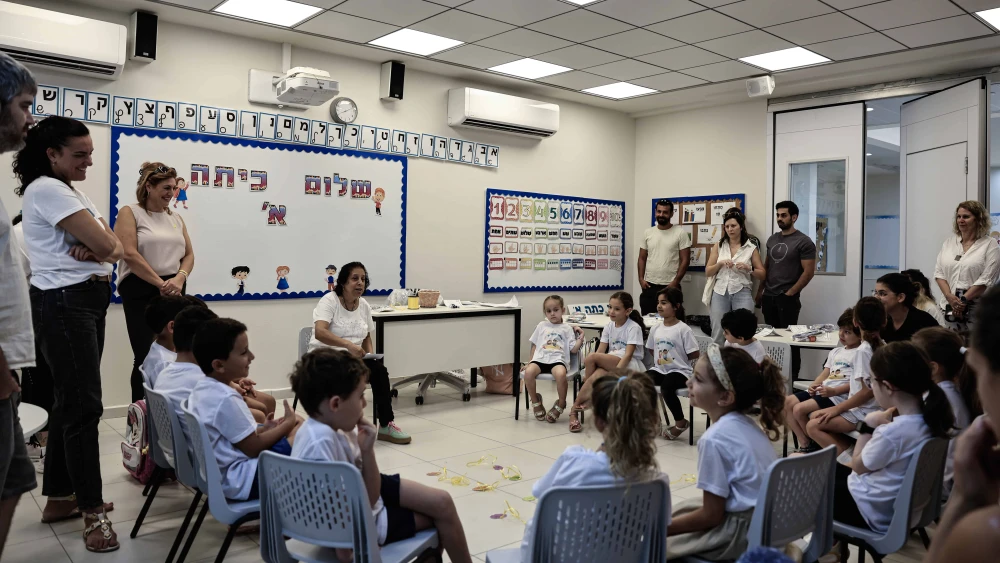
Israeli children on the first day of school at Sdot Eshkol elementary school, Sep. 1, 2025. Photo by Tsafrir Abayov/Flash90.

Israel will ban mobile phone use by children on elementary school grounds starting on Feb. 2, Education Minister Yoav Kish announced on Thursday.

The policy expands a 2019 ban that prohibited phones during classes. Under the new rules, students cannot use devices during breaks or before lessons. Phones will be allowed only in designated classes with staff approval for educational purposes.

The Education Ministry said the ban aims to help pupils develop social and emotional skills, improve school climate and enable better focus on learning. Officials cited studies on mobile phone impacts and global trends, including Australia’s recent ban on social media for users under 16.

The ministry will implement educational programs and work with parents to promote balanced phone use and reduce exposure to inappropriate content.

Rabbi Sruli Fried, director of Chai Lifeline New Jersey, stated that the Pennsylvania senator showed “genuine interest in our work.”
Regime spokesman says Washington cannot use threats, urges end to war, calls Hormuz secure and blames U.S. and Israel
Unseasonable cold front brings first May snowfall in 15 years to Mount Hermon’s upper level, as Israelis share striking footage on social media.
The National Education Association “sends the message to the local and state affiliates that antisemitism is acceptable,” Marci Lerner Miller, of the Brandeis Center, told JNS.
“When we talk about irrigation or plants, we see that this common language can overcome many political difficulties,” Tomer Malchi told JNS.
Three Israeli companies—Tnuva, Tara and Strauss—control 85% of the market and charge prices more than 50% higher than those abroad.

