Scientists at Israel’s Weizmann Institute of Science, in collaboration with Washington University School of Medicine in St. Louis, have adapted the same immune-cell technology that revolutionized cancer treatment to combat Alzheimer’s disease in mice.
The study, published this week in the Proceedings of the National Academy of Sciences, marks the first time that chimeric antigen receptor T-cell (CAR-T) therapy—pioneered more than three decades ago at Weizmann by the late professor Zelig Eshhar—has been applied to a neurodegenerative disorder.
In a new study published in @PNASNews, an international research team from @IdoAmitLab & @washumedicine presents the first use of CAR-T in the treatment of Alzheimer’s disease >> https://t.co/SeTW6f8BRP pic.twitter.com/I4jLqB3qw4
— Weizmann Institute (@WeizmannScience) February 10, 2026
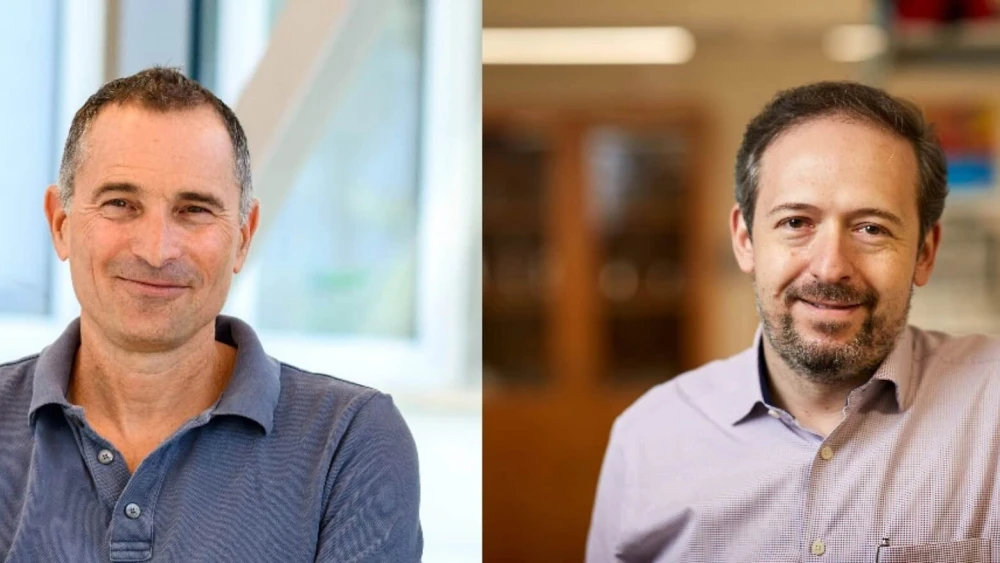
Led by professor Ido Amit of Weizmann’s Systems Immunology Department and professor Jonathan Kipnis, a Weizmann alumnus now at Washington University, the research team genetically engineered immune cells to target amyloid-beta proteins, which form plaques in the brains of Alzheimer’s patients. When injected into mouse models with such plaques, the modified cells significantly reduced amyloid buildup and inflammation markers.
“This is the first CAR-T cell approach for a neurodegenerative disease,” said Kipnis. Amit added that future work may explore how engineered immune cells could help repair brain tissue or address conditions such as ALS and Parkinson’s disease.
Weizmann, a leading research campus located in Rehovot just south of Tel Aviv, sustained extensive damage when it was struck during an Iranian ballistic missile attack on Israel in June 2025.