Israel’s parliament approved the first reading of the 2026 state budget, totaling some 812 billion shekels ($262 billion) late Wednesday night.
The bill, which consists of some 580.75 billion shekels ($187.5 billion) in expenditures and a development and capital account budget of 230.99 billion shekels ($75 billion) must pass three readings to become law.
(If it does not pass its final reading by March 31, the Knesset is automatically dissolved, the government falls, and national elections must be held within approximately 90 days.)
The vote was delayed after Israeli Prime Minister Benjamin Netanyahu’s ultra-Orthodox political partners objected to changes to the military draft bill making its way through parliament.
Following the initial vote, the Economic Arrangements Bill, presented annually alongside the State Budget Bill, will be sent to committees, where the most contentious elements of the package are expected to be decided.
The bill allocates 112 billion shekels ($36 billion) for defense, 63 billion shekels ($20.5 billion) for healthcare, 3.34 billion shekels ($1.1 billion) for the Foreign Ministry, 887 million shekels ($286 million) for religious services and 413 million shekels ($133 million) for the Interior Ministry.
Major reforms include opening up the banking sector, easing tariffs on dairy imports and a 30-shekel ($9.70) tax targeting electronic cigarettes.
“After two years [of war], we are beginning to bring the defense budget into a reasonable framework and increase investment in education, welfare, digitization and more,” Israeli Finance Minister Bezalel Smotrich told MKs as he presented his plans on Wednesday.
“The State of Israel is a powerhouse of strength,” the minister continued. “We predict a 5.2% growth in GDP in the coming year. Inflation is returning to the target range, between 2% and 2.5%, we are curbing the cost of living and preserving the value of the money of Israeli citizens.”
Following last-minute negotiations between Knesset Foreign Affairs and Defense Committee chairman Boaz Bismuth (Likud) and Haredi parties on Wednesday, both Shas and Degel HaTorah supported the legislation.
The three MKs for Agudat Yisrael, the second Ashkenazi ultra-Orthodox faction, i.e. United Torah Judaism, alongside Degel HaTorah, voted against the budget bill. Shas leader Aryeh Deri was absent.
In a statement on Wednesday, a Degel HaTorah spokesman said that the Haredi faction would “insist that the conscription law be completed before bringing the budget bill to second and third readings.”
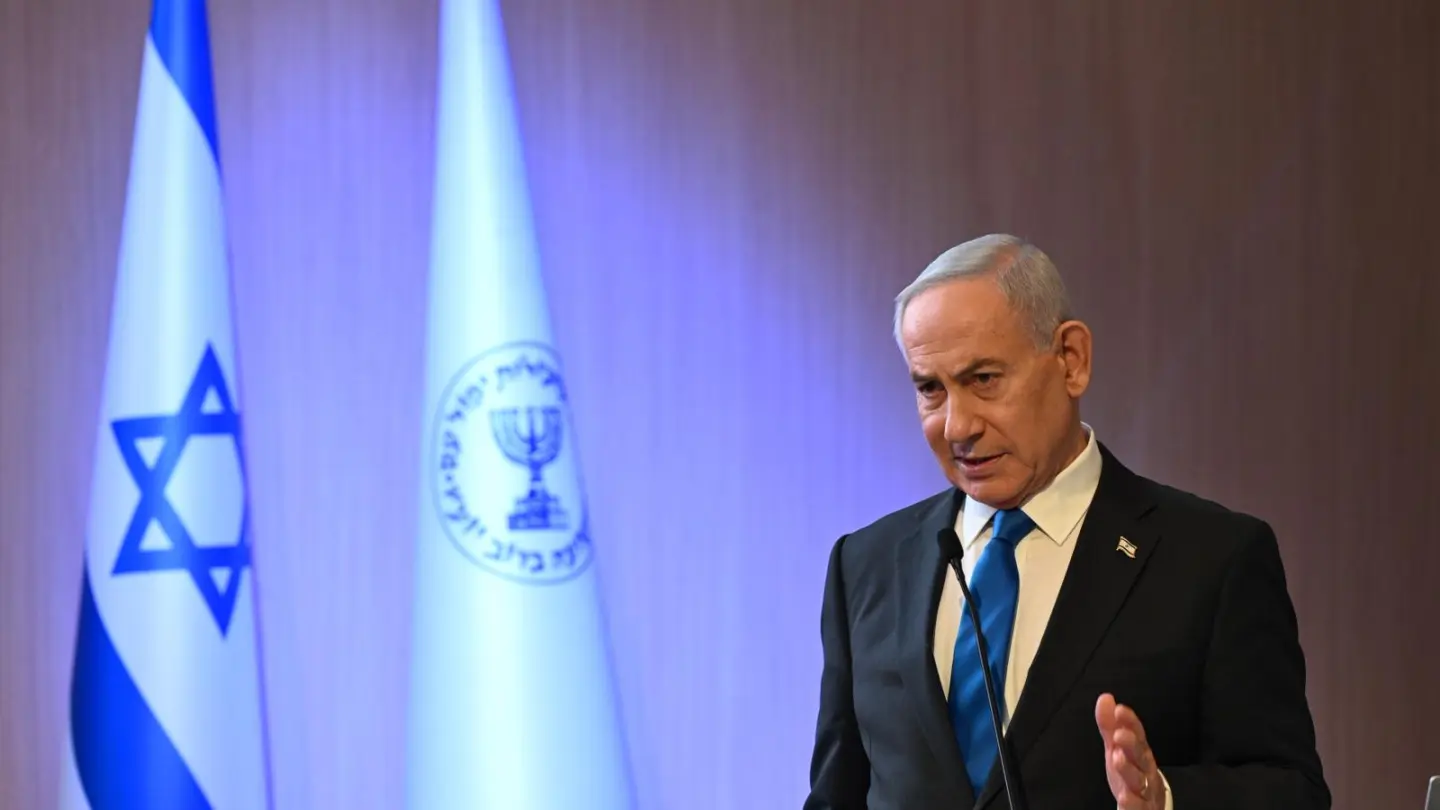
Netanyahu on Dec. 4 presented for initial Cabinet approval what the premier hailed as a “responsible and balanced” budget for 2026.
Jerusalem “intends to lower taxes, including income tax,” Netanyahu stated. “We plan to reduce regulation and streamline our government systems. We will continue developing the northern and southern communities that were harmed [by the recent war]; they will thrive more than ever.”
The most important thing in the budget, he said, was “assistance and grants for Israel Defense Forces soldiers in regular service and reserves, as well as for their families, because they deserve it.”
The budget “will provide them with all the support and framework they need, a framework we have already built and will expand even further,” Netanyahu vowed.